

What Happens If a Commercial Property Inspection Finds Major Deferred Maintenance?
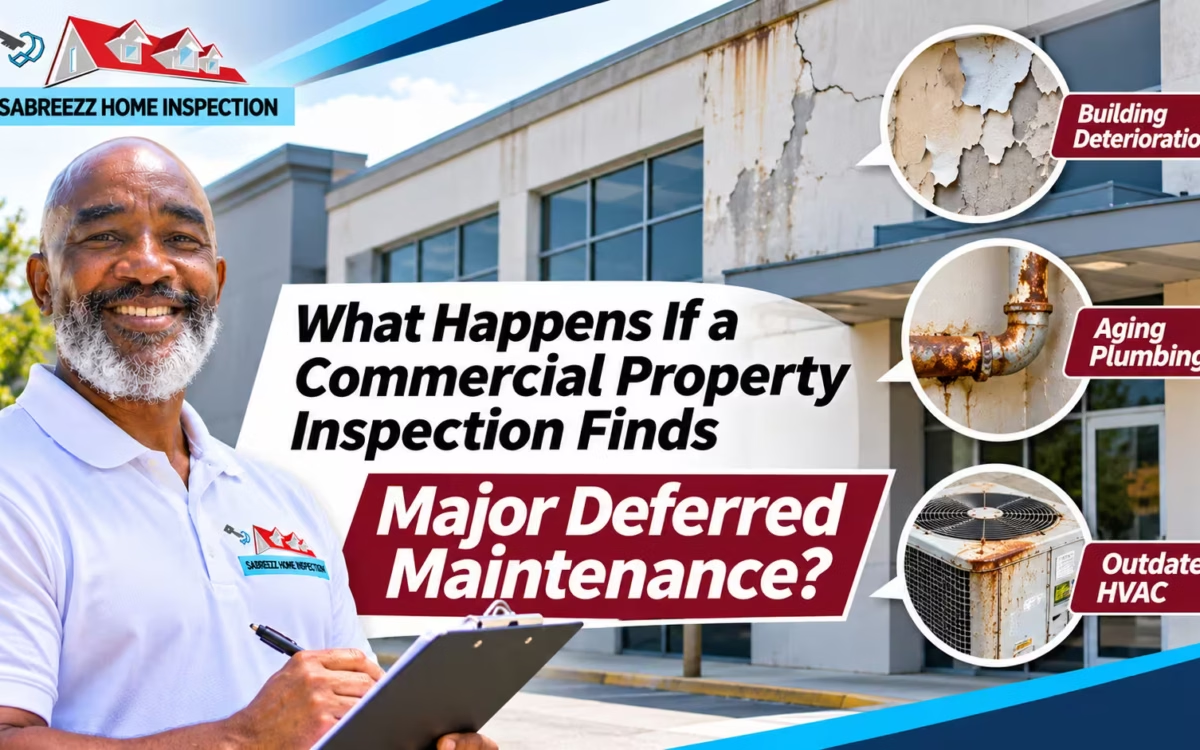
The inspection report just landed, and it reads like a repair list nobody put in the budget. A roof near the end of its life and rooftop units running on borrowed time can turn a clean acquisition into a hard call. Deferred maintenance in commercial property worries buyers for a simple reason: every postponed repair eventually becomes somebody’s bill. That bill does not mean you should walk away. What matters now is how urgent each problem is and what it might cost. Then you can weigh specialist input and your purchase options before closing.
What Do Major Deferred Maintenance Findings Mean in a Commercial Property?
Deferred maintenance is work that kept getting pushed to the next quarter until the next quarter stopped coming. In commercial buildings, that backlog usually lands on expensive systems. A loose door closer is routine upkeep. A roof membrane with open seams and wet insulation is a material physical deficiency, meaning it can affect the building’s value, use, or safety.
Major findings tend to cluster around roof deterioration, aging HVAC equipment, worn plumbing, electrical system deficiencies, and structural concerns. How serious each one is depends on what the inspector saw and what happens if nobody acts. Some need a specialist to confirm the cause, since two cracked walls can mean very different things.
Formal reports put these observations in writing. Depending on the deal size and lender requirements, buyers may order a visual commercial property inspection (often guided by InterNACHI’s Commercial Standards of Practice) or a formal Property Condition Assessment (PCA) following ASTM E2018-24. Both documents observed deficiencies with photos and suggested remedies, though an ASTM PCA also includes formal document reviews and multi-year capital reserve schedules.
How Are Major Commercial Building Repairs Prioritized After an Inspection?
Not every line in the report deserves the same alarm. A dripping hose bib and an overheating electrical panel both count as findings, but they belong in different piles. The table below sorts commercial building repair priorities into planning groups, not legal categories or fixed deadlines.
| Repair category | General meaning | Typical planning consideration |
| Immediate | Potentially urgent or safety-related conditions | Prompt professional evaluation and appropriate action |
| Short-term | Repairs that should receive early attention | Budgeting and scheduling within a shorter period |
| Long-term | Planned replacements or larger improvements | Capital expenditure and reserve planning |
Immediate Repairs and Potential Safety Concerns
Exposed wiring, active leaks over occupied space, and damaged fire protection components call for prompt evaluation by a qualified professional. Still, a big finding isn’t automatically an emergency, and a calm second look often narrows the problem.
Short-Term Repairs and Preventive Work
Failing sealant along the building envelope or a boiler that keeps tripping won’t hurt anyone tomorrow. Putting these repairs off usually raises the final bill, so schedule them by condition and consequence.
Long-Term Capital Improvements
A full roof replacement or a new chiller belongs in long-term capital planning. Owners track these projects as Capital Expenditures (CapEx) and use each system’s estimated remaining useful life to build capital reserves ahead of time.
How Can Deferred Maintenance Affect a Commercial Property’s Value and Investment Risk?
Deferred maintenance reaches past the building into the budget, the tenants, and sometimes the loan. How far it reaches depends on the property and the specific problems found.
Unexpected Repair Costs Can Change the Investment Budget
Unplanned repairs raise the real cost of the deal. A buyer who modeled returns around a turnkey building now has to fund deferred maintenance costs on top of the purchase price. A long backlog also adds uncertainty, because one known problem often hints at others.
Building Conditions Can Affect Property Use and Operations
Major system failures land on the people using the building. A dead HVAC unit can shut down a retail floor during a heat wave, and recurring leaks can push an office tenant out at renewal. Some problems may keep the property from serving its intended use until someone fixes them.
Property Financing and Purchase Decisions May Need Further Review
Lenders and insurers read condition reports too. Significant findings may bring extra questions or repair and reserve requirements, though none of that is automatic. The impact depends on the property, the lender, and the actual deficiencies.
How Should Buyers Estimate Deferred Maintenance Repair Costs?
Knowing a problem exists only gets you halfway. The next question is what the fix might cost, because that number drives every decision after it.
Review the Reported Condition and Recommended Remedy
Pull each finding’s system and location from the report, along with the observed condition and recommended next step. Photos show whether the issue covers one corner or the whole roof. Keep the reported condition separate from any assumed price, since corrosion at a fitting might mean a new part or a whole new water heater.
Consider Remaining Useful Life and Replacement Needs
Remaining Useful Life (RUL) estimates how many more years a component should last with normal care. Roofs and HVAC gear age on different schedules than plumbing, electrical, or structural components. Age alone doesn’t prove anything needs replacing now, and a well-kept 18-year-old rooftop unit can outlast a neglected newer one.
Obtain More Detailed Estimates When Necessary
Bring in contractors, engineers, or other specialists when a finding is large or unclear. An institutional PCA may include preliminary opinions of probable cost, whereas a standard visual commercial inspection flags conditions without pricing them—and in either case, preliminary figures are not contractor bids. A contractor’s written proposal reflects real scope and local labor rates, which makes CapEx planning and reserve budgeting far more reliable.
What Should Buyers Do After a Commercial Inspection Finds Major Problems?
Treat the inspection report as the start of your follow-up, not the final word. It shows where to dig harder, while specialists handle the deeper technical questions.
Review the Inspection Report Carefully
Read the report twice. Mark each major finding with its location and photos, and separate significant deficiencies from routine maintenance notes. Ask the inspector to clarify any finding that seems vague or incomplete.
Request Additional Evaluations Where Needed
Call in specialists based on what the report actually found. A structural engineer should look at a bowing foundation wall, while a roofing contractor can probe a soft roof deck. HVAC technicians, electricians, and plumbers can test equipment in ways a visual inspection can’t. Ordering every evaluation by default just burns time during a short due diligence window.
Discuss Repair Responsibilities and Transaction Options
Bring outstanding repair concerns to the seller once you have the facts. Specialist reports and repair documentation give those talks real weight. Review deadlines and contractual responsibilities with your real estate and legal professionals, because due diligence periods often run on a tight clock.
What Options Do Buyers Have When Major Deferred Maintenance Is Discovered Before Closing?
Major findings can change how you handle the rest of the deal. Your real options depend on the purchase agreement, any applicable requirements, and how negotiations go.
Ask the seller to complete the agreed-upon repairs before closing, with proof the work was done. You can also propose a purchase-price adjustment that reflects the repair exposure or negotiate a closing credit or another contractual arrangement. If questions remain open, request time for additional due diligence or specialist evaluations.
Step back and ask whether the building still fits your intended use and financial plan. When the repair exposure or unresolved risks go beyond what you can accept, reconsidering the transaction is a legitimate outcome. Review your contractual rights and obligations with qualified real estate and legal professionals before choosing a path.
How Can a Commercial Property Inspection Help Buyers Understand Deferred Maintenance?
A commercial property inspection puts the building’s visible condition on paper. The inspector examines accessible areas and records what they observe in major systems, from the roof and building envelope to the mechanical equipment.
Photographs and written findings let buyers see a problem without climbing onto the roof themselves. The report also flags conditions that deserve a closer look, which makes it a practical tool for commercial property due diligence and early repair planning.
Know the limits, too. A visual inspection can’t see inside walls or under slabs, and it can’t predict how a system will perform next year. It also doesn’t replace specialist testing, detailed engineering analysis, contractor estimates, or repair certification.
Frequently Asked Questions
Can Buyers Negotiate a Commercial Property’s Price After Deferred Maintenance Is Found?
Yes, inspection findings can give buyers a basis for that conversation. They may ask for a price adjustment, seller repairs, a credit, or other revised terms. The outcome depends on the negotiations and the purchase agreement.
Can Deferred Maintenance Affect Commercial Property Financing?
It can. A lender may ask extra questions or set repair or reserve requirements when a report shows significant deficiencies. The effect varies by lender, property condition, financing arrangement, and the specific findings.
What Is the Difference Between Immediate Repairs and Capital Improvements?
Immediate repairs address conditions that need prompt attention, often for safety or to stop active damage. Capital improvements are larger planned replacements or upgrades that owners budget for over time.
Final Thoughts
Major deferred maintenance findings call for a careful read, not a snap decision. Sorting repairs by urgency and getting real cost numbers help buyers see the full picture before closing. Specialist evaluations fill in what a visual inspection can’t confirm. Sabreezz Home Inspection provides commercial property inspections for office buildings, retail spaces, warehouses, multi-family and mixed-use properties in Chicago and nearby Illinois communities. Its written reports include photographs, system-by-system findings, and repair or maintenance recommendations. Buyers weighing a commercial purchase can explore the commercial inspection services and schedule an inspection before their due diligence window closes.