

Chicago Commercial Building Inspections: What You Need to Know

Look, if you’re buying, selling, or managing commercial property in Chicago, you already know this is a massive investment. Getting a professional inspection isn’t some optional add-on it’s your best protection against financial disaster.
What Makes Chicago Different
This city’s weather is rough on buildings. We get brutal winters with freeze-thaw cycles that crack concrete and wreck roofs. Summers are humid enough to accelerate HVAC problems. Then there’s heavy snow that stresses structures and constant wind battering facades. Newer buildings in warmer climates don’t deal with this stuff.
A real inspection does two things. First, it finds problems that exist right now. Second, it tells you what’s about to fail so you can fix it before you’re facing an emergency that costs thousands. You’ll actually know how much lifespan your roof, HVAC, electrical, and plumbing systems have left. That information helps you negotiate better or get ahead of repairs.
Building Codes Matter
Chicago’s building codes are no joke. City inspectors are strict, and non-compliance gets expensive fast. You’re looking at heavy fines, liability issues for your business, safety concerns for tenants, and insurance headaches. A qualified inspector knows Chicago’s specific requirements and understands where violations commonly hide.
What Gets Inspected: The Complete Breakdown
Office Building Inspections
Structural & Safety Issues
When we inspect an office building, we’re looking at everything—inside and out. We walk through the common areas, hallways, elevator lobbies, and individual office suites. We make sure you’re meeting ADA accessibility requirements, that fire safety equipment actually works, and that emergency exits are functional. We also check for building code violations that could cause problems down the road.
The Mechanical and Electrical Stuff
Your electrical panel gets examined to make sure it can handle what modern office equipment demands. We check your plumbing for adequate water pressure and those hidden leaks that drive tenants crazy. HVAC systems get evaluated to see if they’re actually distributing heat and cool air efficiently. Lighting gets checked too—both whether it works and whether it’s wasting money.
What You Actually Get
At the end, you’ve got a realistic priority list for improvements. No guessing. You know exactly where to spend your capital budget because we’ve told you what needs to happen now versus what can wait.
Roof & Exterior Inspections
Your roof is typically the most expensive component of any commercial building—and it’s the one that gets neglected until it’s too late. A roofing inspection finds ponding water where it shouldn’t be, damaged or missing flashing, deteriorated seals that turn into leaks, snow load damage, and the crack network from freeze-thaw cycles.
What Gets Checked
We look at insulation to verify it’s doing its job. We assess moisture problems that can develop in your roofing system and evaluate mold risk. Wind damage vulnerability matters a lot in Chicago’s environment.
The Brutal Reality of Neglect
Chicago’s freeze-thaw cycle is honestly brutal. Water expands when it freezes, turning tiny cracks into substantial leaks. A loose shingle in September becomes a water-damaged office interior by January. Regular inspections let you seal problem areas during warmer months, which extends roof life and protects what’s inside.
One more benefit: a solid maintenance log helps you when filing insurance claims and proves proper care when selling.
Property Management Inspections
Keeping Daily Operations Smooth
Regular inspections catch small problems before they become operational nightmares. You can track how well your maintenance vendors perform and whether their work actually meets your standards. We monitor plumbing leaks, ventilation efficiency, and common area condition basically all the things that keep your tenants happy and reduce turnover.
Happy Tenants Better Occupancy
When your tenants see you actually care about maintenance, they stick around longer and renew leases. Transparency about building health builds trust. In Chicago’s competitive commercial market, a well-maintained property genuinely gives you an edge.
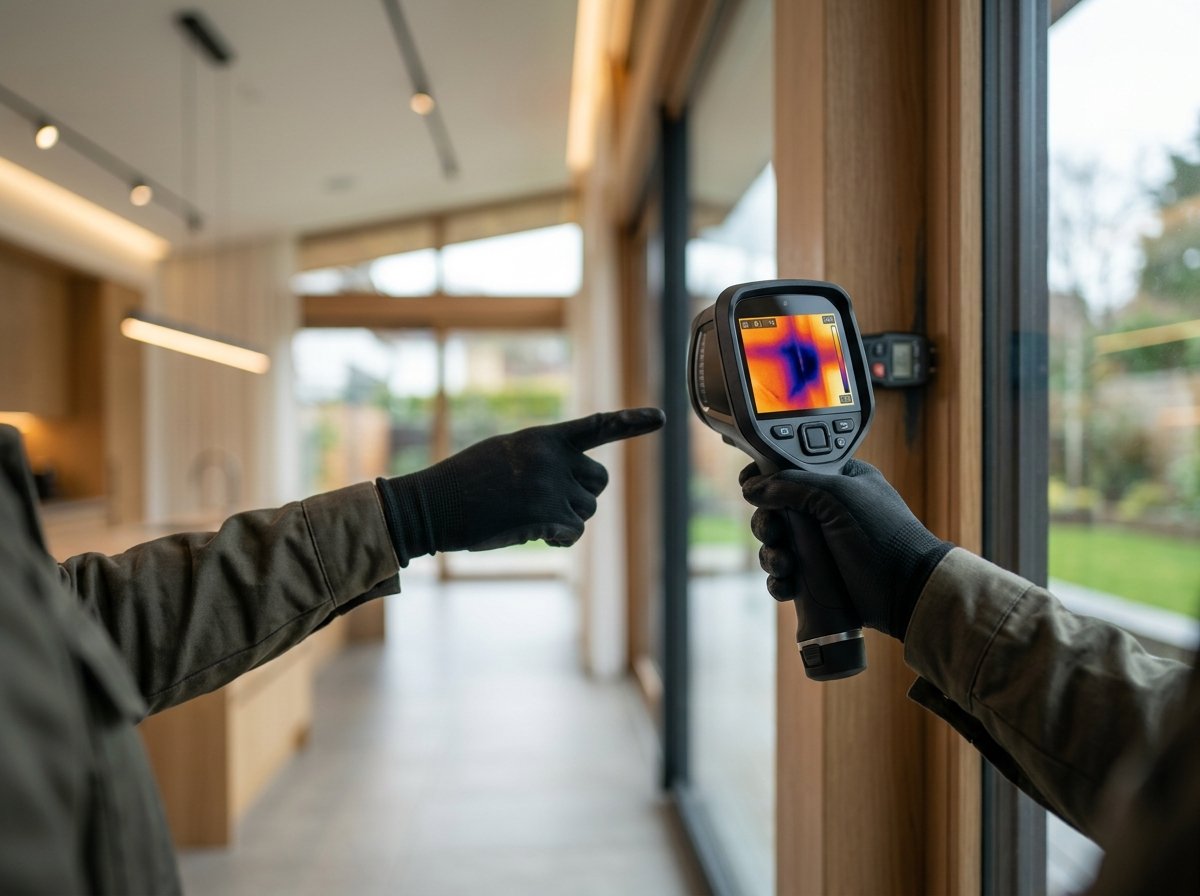
What You’ll Find: Common Inspection Findings
After we’re done, you get a list organized by what needs immediate attention versus what can wait. The urgent stuff includes structural foundation cracks, electrical hazards, fire safety violations, and plumbing emergencies basically anything that compromises safety or violates code.
Then there’s important but not-yet-critical problems like HVAC units nearing retirement, corroded pipes, roof deterioration, or electrical capacity issues. These affect how well your building operates, but they’re not emergency situations.
Finally, you’ve got upgrade opportunities that boost value and reduce costs. Things like replacing outdated outlets, fixing inefficient lighting, sealing cracks in exterior walls, and upgrading climate control so tenants are actually comfortable and your energy bills don’t skyrocket.
Here’s the trick: bundle related repairs together. If we find multiple electrical and lighting problems, schedule one contractor visit to handle them all instead of three separate visits. You save money on labor, and it’s way less disruptive than tackling issues one at a time.
Chicago-Specific Challenges
Historic and Older Buildings
Older brick buildings deal with problems that newer construction never encounters. Masonry breaks down and needs tuckpointing. Loose exterior materials become safety hazards for pedestrians. Fire escapes stop working properly. Historic windows fail their seals against the elements. An inspector who knows these older buildings understands what to look for. Miss these details and you’re facing massive restoration bills.
When buildings get renovated with new office layouts, the original HVAC infrastructure usually stays put. You end up with hot spots in winter and cold spots in summer basically parts of your building are uncomfortable while other parts are fine. Energy costs go up, tenants complain constantly. We identify these inefficiencies and recommend practical fixes like balancing dampers, upgrading controls, or right-sizing systems for how the building is actually being used now. Better climate control means happier tenants and lower utility bills, which matters for Illinois property owners.
FAQS
How long does this take?
Depends on your building’s size and complexity. Small office spaces might be done in a few hours. Large industrial facilities could take a full day or more. We don’t rush through inspections to save time—we make sure every mechanical and electrical system gets proper attention. Typically you’ll have your comprehensive report within a few business days.
Do I need to be there?
Not required, but we recommend it if you can make it. Walking through with the inspector lets you ask questions in real-time, see problems firsthand, understand your building’s specific quirks, and get professional advice on maintenance. If you can’t attend, don’t worry. Our reports include detailed photos and clear notes you’ll have a complete picture without needing to climb on any roofs.
What if we find major issues?
Major issues aren’t deal-breakers. They’re actually leverage in negotiations. You can ask the seller to cover repairs, negotiate a lower price, or require them to fix everything before closing. If you already own the building, findings just tell you where to focus your capital budget next year. We’re here to give you real data so you can make smart financial choices.
How often should I schedule inspections?
Aim for at least once a year for most commercial properties. If your building is older, in a high-traffic area, or getting hammered by Chicago’s weather cycles, consider checking it twice a year. Regular inspections help you track your building’s health over time so you catch small leaks and electrical problems before they force you to close the building.
What about environmental hazards?
Standard inspections cover the physical structure, mechanical and electrical systems, plus anything obviously moldy or water-damaged. We don’t do specialized testing for lead paint, asbestos, or soil contamination. If you’re concerned about those issues especially in older buildings being renovated we can refer you to specialists who handle that testing. We give you the structural baseline, and if we see anything suspicious, we’ll point you in the right direction.
Getting Started
A professional commercial property inspection is your best first move as a responsible Chicago property owner. You’ll have actual data to negotiate confidently, budget for improvements accurately, protect your investment from hidden problems, and keep your tenants safe. Want to get ahead of problems instead of reacting to them? Get in touch for a comprehensive inspection designed specifically for Chicago commercial buildings.