
Ready to Confirm Your Repairs Are Done Right in Chicago, IL?
You’ve already done the hard work of getting repairs completed. Now let us verify the job was done properly. Call Sabreezz Home Inspection today to schedule your re-inspection and get the documented peace of mind you deserve.
Inspection Services for Glenview Properties
Choosing an inspection should start with the property’s specific characteristics. Age, renovation work, visible concerns, and planned improvements can all affect what deserves closer evaluation.
A home inspection in Glenview, IL, provides a broad review of major building components and systems. Its findings can also show when specialized testing or another inspection service is appropriate.
Not every property needs every inspection. A home with suspected moisture requires a different approach from one being renovated with older building materials. The goal is to select services that address actual concerns rather than order unnecessary testing.
Start With the Property Instead of a Standard Checklist
Different property features create different inspection questions. The focus should be on conditions that affect the home’s structure, systems, safety, and future work.
Age and Construction Can Change the Inspection Priorities
Newer construction deserves attention to installation quality and builder workmanship. Older homes require closer review of original systems and materials that remain in service. Additions also deserve attention at connection points. Roof transitions can create drainage defects. Electrical or plumbing modifications can introduce installation problems.
Visible Clues Can Point to a Deeper Question
A basement stain does not prove an active leak. Fresh moisture or repeated water entry requires investigation. A stable hairline crack differs from visible displacement. Active roof leaks and damaged flashing should not be ignored.
Inspection Services for Glenview Properties
A general inspection establishes the property’s baseline. Specific concerns can then determine whether an additional inspection or test belongs in the evaluation.
Property Inspection: A property inspection examines major systems and building components for defects affecting safety and function. Findings also help identify repairs that deserve attention before purchase or continued ownership.
FHA 203k Inspection: An FHA 203k inspection documents existing conditions tied to renovation work financed through the FHA 203k program. It helps establish what needs repair before planned improvements move forward.
Mold Inspection: A mold inspection investigates suspected growth when visible mold or persistent dampness requires focused evaluation. Identifying the affected area and moisture source is essential before corrective work begins.
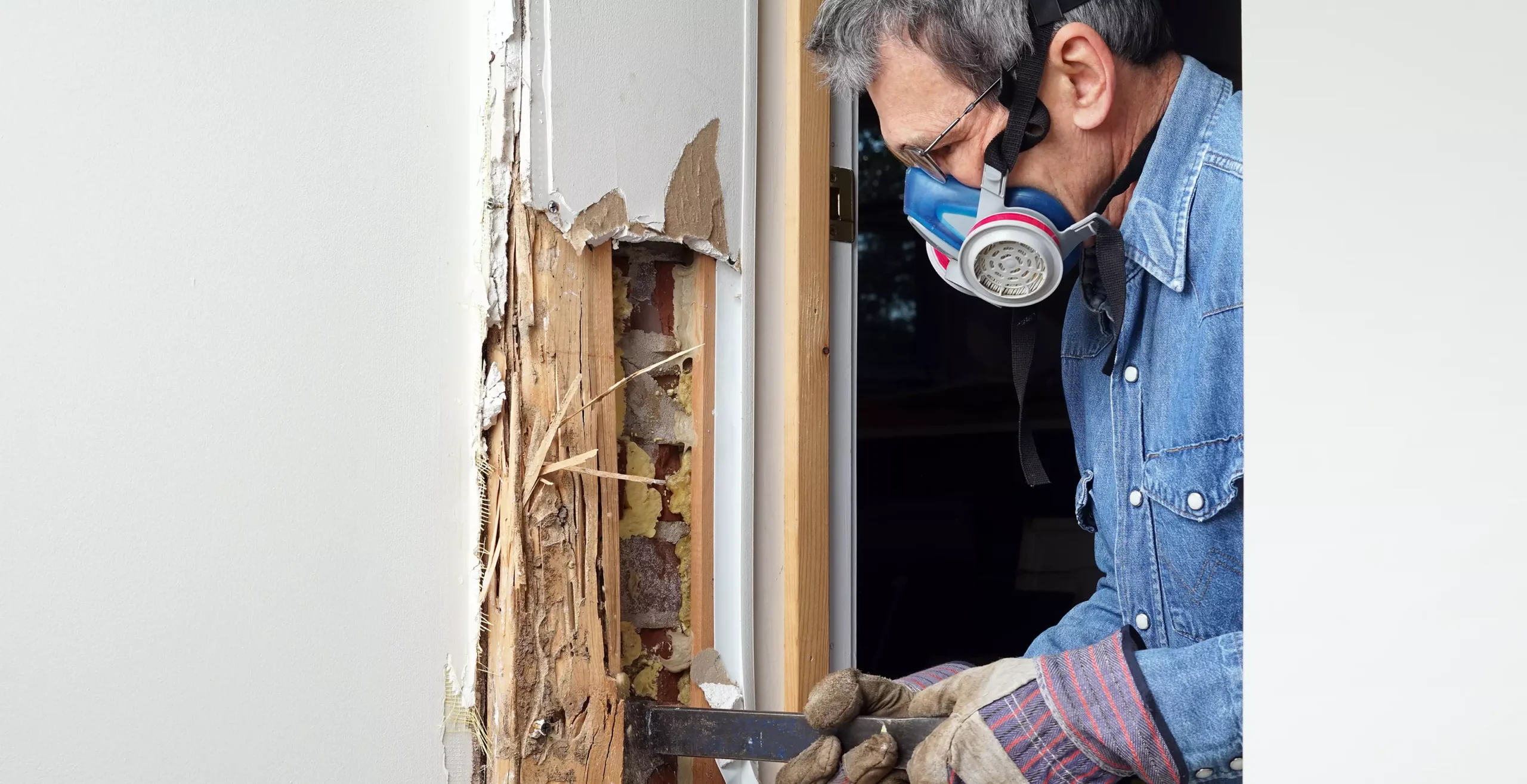
Termite Inspection: A termite inspection examines wood components for evidence of termite activity or damage. Visible deterioration in framing or other wood materials deserves further evaluation when insect damage is suspected.
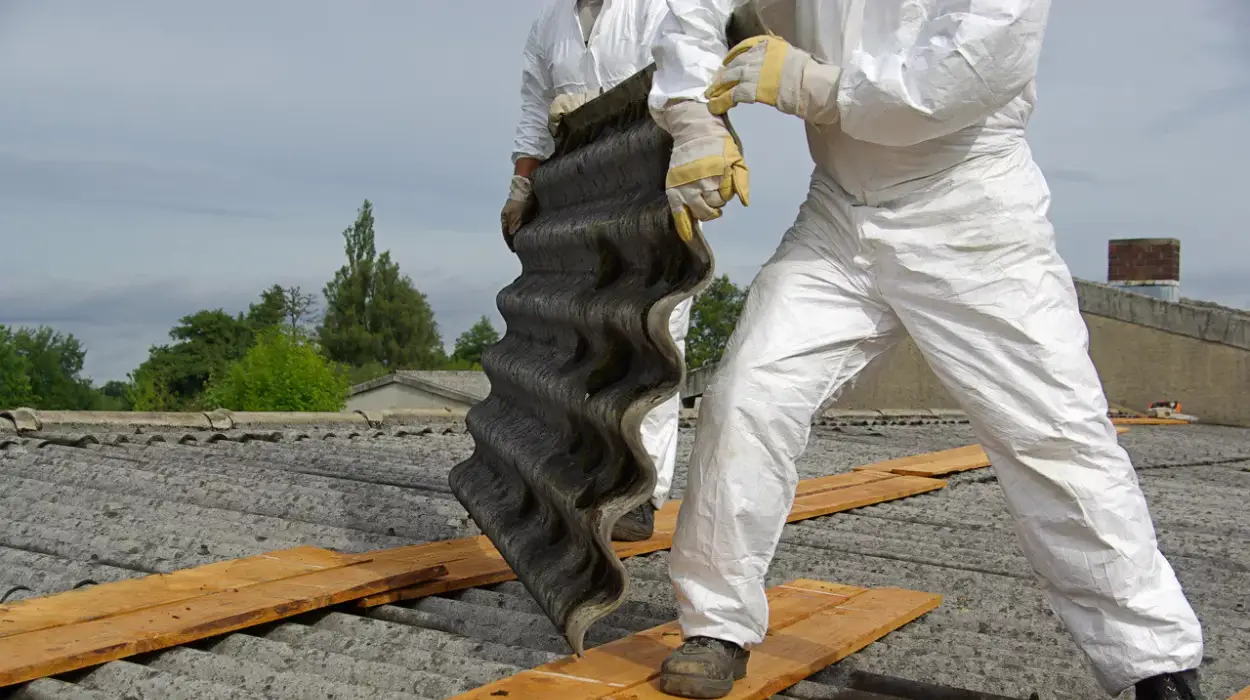
Asbestos Inspection: An asbestos inspection evaluates suspect building materials before renovation work disturbs them. This is important when older flooring, insulation, siding, or other materials will be removed or altered.
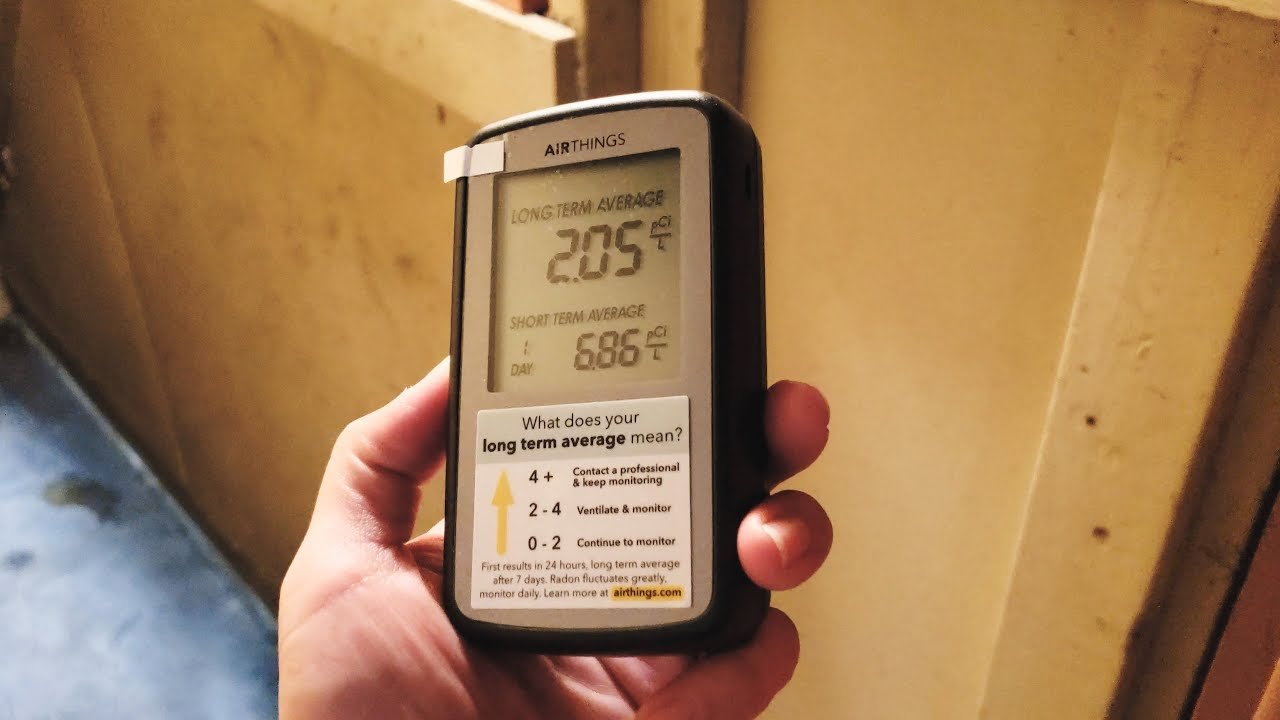
Radon Inspection: A radon inspection measures indoor radon concentration and provides a property-specific result. Testing is especially relevant when buyers want measured data about radon levels before completing the purchase.
When a Standard Home Inspection Does Not Answer Everything
A general inspection establishes what can be determined through visual and non-invasive methods. Certain findings require a focused inspection or specialized testing.
Foundation and Structural Concerns
A stable hairline crack differs from widening or displaced cracking. Horizontal foundation movement requires closer evaluation because soil pressure can affect the wall.
Repeated water entry through a foundation crack also requires attention. A structural engineer should determine the cause when movement exceeds normal inspection interpretation.
Moisture, Drainage, and the Building Envelope
Water should drain away from the foundation. Persistent pooling beside the structure requires correction because repeated saturation can lead to basement moisture.
Damaged flashing can also allow water into concealed areas. Thermal imaging can identify unusual temperature patterns but does not confirm the source of moisture.
Systems That Require Specialized Evaluation
Some conditions call for testing beyond a general inspection. A sewer scope can examine buried drain lines that cannot be viewed during a standard inspection.
Radon testing provides measured indoor levels. Mold and asbestos inspections address specific environmental concerns that require focused evaluation rather than assumptions.
Matching the Inspection to the Glenview Property
Newer Glenview Properties
New construction still requires attention to workmanship. Poor installation can affect roofing, plumbing, electrical work, ventilation, or insulation.
A new home inspection can identify visible construction defects before acceptance. New equipment also requires proper installation and operation.
Older Glenview Homes
Older homes often contain aging systems and materials. Age alone does not make a component defective.
Active leaks, unsafe electrical conditions, major roof deterioration, or structural movement require attention rather than routine maintenance.
Homes With Renovations or Additions
Renovations can leave newer finishes alongside older systems. Additions also create connection points that deserve review.
Roof transitions, drainage changes, and visible workmanship defects should be documented. Concealed concerns require specialized evaluation when the evidence supports it.
What Should Be Ignored and What Should Not?
Not every inspection finding requires immediate repair. The key is whether the condition affects safety, causes ongoing damage, or shows active deterioration.
Can be monitored or planned:
- Stable hairline foundation cracks without movement or water entry.
- Older HVAC equipment that operates properly without significant defects.
- Minor wear that does not affect safety or system performance.
Should not be ignored:
- Active or recurring water intrusion.
- Roof defects allowing water into the home.
- Electrical conditions that create fire or shock hazards.
- Structural movement or significant displacement.
- Findings that indicate a concealed problem requiring specialized evaluation.
Inspection Decisions Based on What the Property Reveals
Sabreezz Home Inspection takes a condition-driven approach to inspection planning. We do not recommend additional testing simply because a property is old or newly built.
Our inspectors identify evidence first. A standard inspection can document many conditions directly. When a finding requires specialized testing, the report explains the reason for that next step. This keeps the inspection focused on real property concerns and helps buyers avoid unnecessary services while addressing issues that should not be overlooked.
Frequently Asked Questions About Home Inspections in Glenview, IL
Can I request specialized testing without seeing a visible problem?
When is a sewer line inspection worth considering?
Does thermal imaging replace a standard inspection?
Can an inspector confirm a hidden defect behind finished materials?
Should older homes receive environmental testing before renovation?
Who decides if a specialist should evaluate an inspection finding?
Take the Next Step With Your Glenview Property
A home inspection in Glenview, IL, gives you documented findings before you commit to the property. You can then address important defects and arrange specialized evaluation when the findings require it.
Sabreezz Home Inspection provides property-specific inspection reporting to support your next decision.