What Happens If an Inspection Finds an Unsafe Electrical Panel?
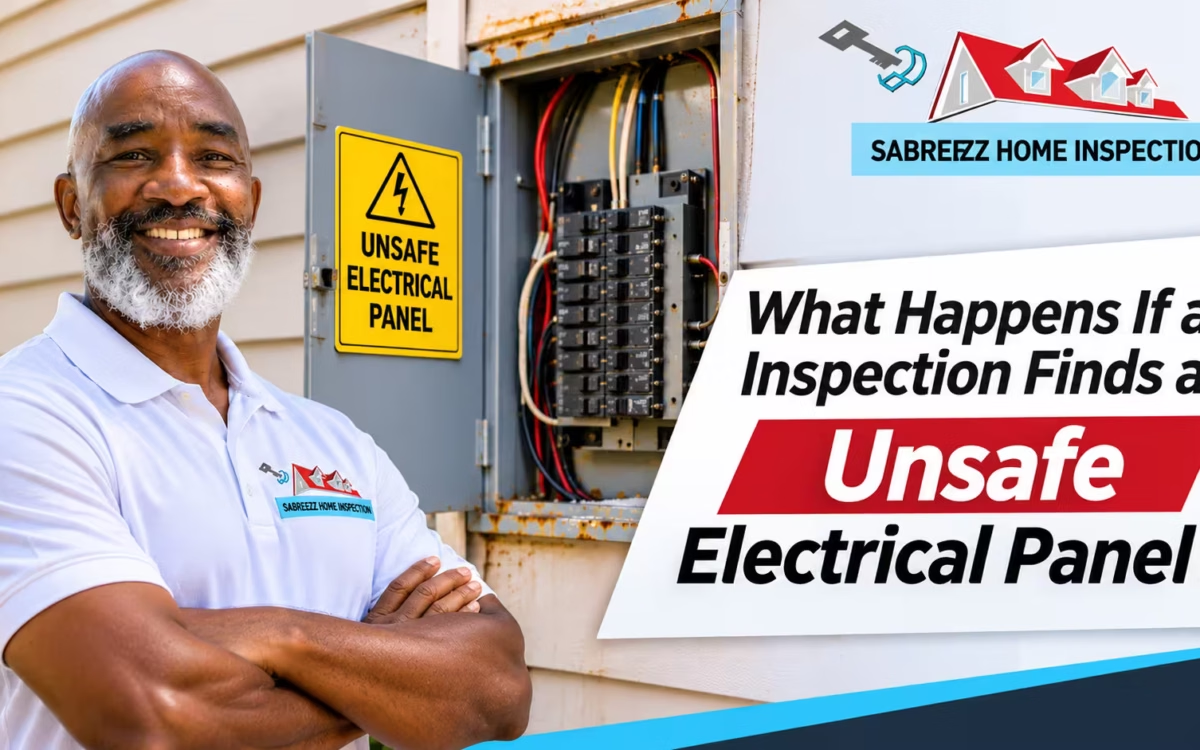
Your inspector spotted a condition at the electrical panel that could affect safety and needs attention before you move forward. That is what an unsafe panel finding means. It does not mean the deal is dead or that the whole panel must come out. Your next step is to read the exact finding and decide whether a licensed electrician should evaluate the panel before your deadlines pass.
Common findings include corrosion, overheating, damaged parts, improper wiring, and breaker concerns, and many need a targeted repair rather than a new panel. This guide explains what an unsafe electrical panel inspection finding tells you, who should take a closer look next, and how it can affect your purchase and closing.
What Does an Unsafe Electrical Panel Finding Mean?
An unsafe panel finding flags a condition that could stop the panel from feeding power safely or shutting off a circuit when something goes wrong. The wording and severity depend on what the inspector saw. A rusty cover and a scorched breaker can share that label yet need very different fixes.
Understand the Inspector’s Role During a Panel Inspection
Home inspectors visually check the electrical service panel, breakers, main disconnect, visible wiring, and reachable grounding parts for electrical system deficiencies. InterNACHI’s standards do not require removing the panel cover, and inspectors should not open a panel that shows signs of moisture, heavy rust, buzzing, or arcing—making a full internal look unsafe or impractical. Without load testing or teardown, this review is not a full electrical inspection before buying a house.
Why the Inspection Report Matters
Your report is the paper trail for what comes next. It names each condition and its location, adds photos, and says whether to repair it or call an electrician. “Unsafe panel” is only a label, though. Electrical panel inspection issues become useful once you see the detail underneath, like a corroded lug or a mismatched breaker.
What Electrical Panel Problems Can Make a Panel Unsafe?
Home inspection electrical problems at the panel do not all carry the same weight. Some come from heat or moisture, while others involve wiring or mismatched breakers. Use the table below as a general guide rather than a diagnosis, since only a licensed electrician can confirm the condition and the remedy.
| Observed condition | Why it matters | Appropriate next step |
| Scorch marks or melted components | May indicate overheating or electrical damage | Prompt electrician evaluation |
| Rust or corrosion | May indicate moisture intrusion or deteriorating connections | Have the panel assessed |
| Double-tapped breaker | May be incompatible with the breaker design | Verify compatibility with an electrician |
| Damaged wiring or insulation | May expose conductors or compromise protection | Professional electrical evaluation |
| Missing breaker blanks | Leaves openings in the panel enclosure | Have the opening properly addressed |
| Older FPE or Zinsco panel | May warrant additional safety evaluation | Have a qualified electrician assess it |
Signs of Overheating, Corrosion, or Physical Damage
The clearest unsafe electrical panel signs involve heat. Scorch marks, melted plastic, and dark discoloration suggest a connection has been running hot. Rust and corroded electrical connections usually mean moisture is reaching the panel. A dented enclosure can leave wiring exposed. Occupants may also report buzzing or a burning smell. None of these signs prove the cause alone, so an electrician must find the source.
Breaker and Wiring Problems
Breakers must match the panel, and the manufacturer’s label lists approved models. Heat damage on a busy breaker can point to overloaded circuits. A double tap means two wires share one terminal, which is fine only on breakers designed and labeled for two conductors. On other breakers, the second wire can work loose and heat up. Damaged insulation, improper wiring, and missing breaker blanks are common electrical panel safety hazards too.
Grounding, Bonding, and Older Panel Concerns
Grounding ties the system to the earth, and bonding links metal parts so a fault trips the breaker instead of energizing a pipe. Inspectors may flag a missing grounding conductor for review. Federal Pacific Electric (FPE) Stab-Lok and Zinsco panels draw extra attention over concerns that their breakers may fail to trip. Still, brand or age alone does not prove an outdated electrical panel is unsafe.
What Should You Do After the Inspection Identifies a Problem?
Use the report as your game plan. Good home inspection electrical safety follow-up means understanding the concern, judging its urgency, and getting the right professional out to look. Move quickly, because many contracts give buyers a short inspection response window.
Review the Exact Finding and Its Severity
Start with the inspector’s description and photos. Pin down whether the report describes corrosion, heat damage, improper wiring, or a suspected equipment concern. A finding is an observation rather than a confirmed diagnosis, since the inspector did not take anything apart. Call the inspector if a note is vague.
Arrange an Electrical Safety Evaluation
Call a licensed electrician for any reported electrical panel defects. They can open the panel and test what a visual inspection cannot, including service capacity and grounding. Then they decide whether to repair parts or replace the panel. Paperwork varies by electrician, so ask for:
- A written evaluation of the reported concern
- The specific repairs they recommend
- Whether the panel or only certain parts need replacement
- Documentation of any completed work
Treat Immediate Warning Signs Seriously
Smoke or a burning smell at the panel means trouble is happening now. Sparks, crackling, and obvious heat belong in the same category. Keep everyone away and never remove the cover or attempt repairs yourself. If there is smoke or fire, get everyone out and call 911 from outside. For other warning signs, contact a licensed electrician right away.
Does an Unsafe Electrical Panel Have to Be Replaced?
No, not automatically. An inspection concern points to a problem without dictating the solution. The right fix depends on the defect, the panel’s condition, and what the electrician finds. These factors usually shape the call:
- Repairable defects: An electrician can often correct a double tap or missing blank with an approved part.
- Damaged equipment: Serious heat damage or corrosion may require more extensive work.
- Panel compatibility: Replacement breakers must be approved for that specific panel.
- Electrical service capacity: The electrician may check whether the service supports the home’s demands.
- Outdated equipment: Older panel types may warrant extra evaluation, but age alone does not set the remedy.
Fixing one defect leaves the panel in service, while replacing the electrical service panel swaps the whole box and often needs a permit. Electrical panel replacement warning signs usually involve widespread damage, so ask the electrician to explain their call.
Can an Unsafe Electrical Panel Affect a Home Purchase?
It can. A panel finding adds safety questions and possible repair costs to the deal, so it often reaches the negotiating table. The effect depends on what the electrician finds, what your contract says, and what you and the seller decide.
Discuss Repairs or Further Evaluation With the Seller
Buyers often request an electrician’s assessment first, then ask the seller for repairs or a credit. The seller can agree, counter, or refuse. Nothing automatically requires a seller to replace a panel because a report calls it unsafe. Review your purchase agreement for deadlines and options with your agent and real estate attorney.
Understand Possible Closing Delays
A panel finding does not automatically delay closing. Delays come from booking an electrician, waiting on estimates, and coordinating repairs. Some insurers hesitate to cover certain older panels, and some loan programs require safety repairs before funding. If the seller handles the work, get the electrician’s invoice and any permit records before closing to confirm the repair matches the recommendation.
Decide Whether to Proceed With the Purchase
Weigh the electrician’s findings and the safety implications against your contract options and budget. A single double tap and a heat-damaged panel are very different decisions. Talk significant findings through with your agent and attorney. Avoid deciding on the panel’s age or brand alone.
Frequently Asked Questions
Should You Buy a House With an Unsafe Electrical Panel?
It depends on the defect and its severity, plus the electrician’s recommendations and your budget. An inspection finding alone does not decide whether the purchase should move forward. Get the electrician’s evaluation and review your contract options with your agent.
Can an Unsafe Electrical Panel Cause a House Fire?
It can. Damaged connections and improper wiring can overheat or arc, and a breaker that fails to trip leaves wires carrying too much current. That heat can ignite nearby materials. Many reported defects are not an immediate danger, though. The actual electrical panel fire risk depends on the condition, so a licensed electrician should judge it.
Should a Seller Replace an Unsafe Electrical Panel Before Closing?
Not in every case. The answer depends on the electrician’s findings, the purchase agreement, and what the buyer and seller negotiate. Lender or insurance conditions can also push the work forward. Sellers who get an evaluation early can answer repair requests with facts instead of guesses.
Final Thoughts
An unsafe electrical panel finding deserves a careful response instead of panic. Read the exact condition in your report and bring in a licensed electrician when the inspector recommends it. Many panel problems end with a targeted repair rather than a full replacement.
Sabreezz Home Inspection is an InterNACHI Associate serving Chicago homebuyers. Its reports include photos, detailed findings, and repair recommendations that help you understand a home’s visible electrical conditions before you commit. Book your Chicago home inspection online or call (773) 312-2511.