

What Should You Do If a Home Inspection Reveals Roof Damage Before Closing?
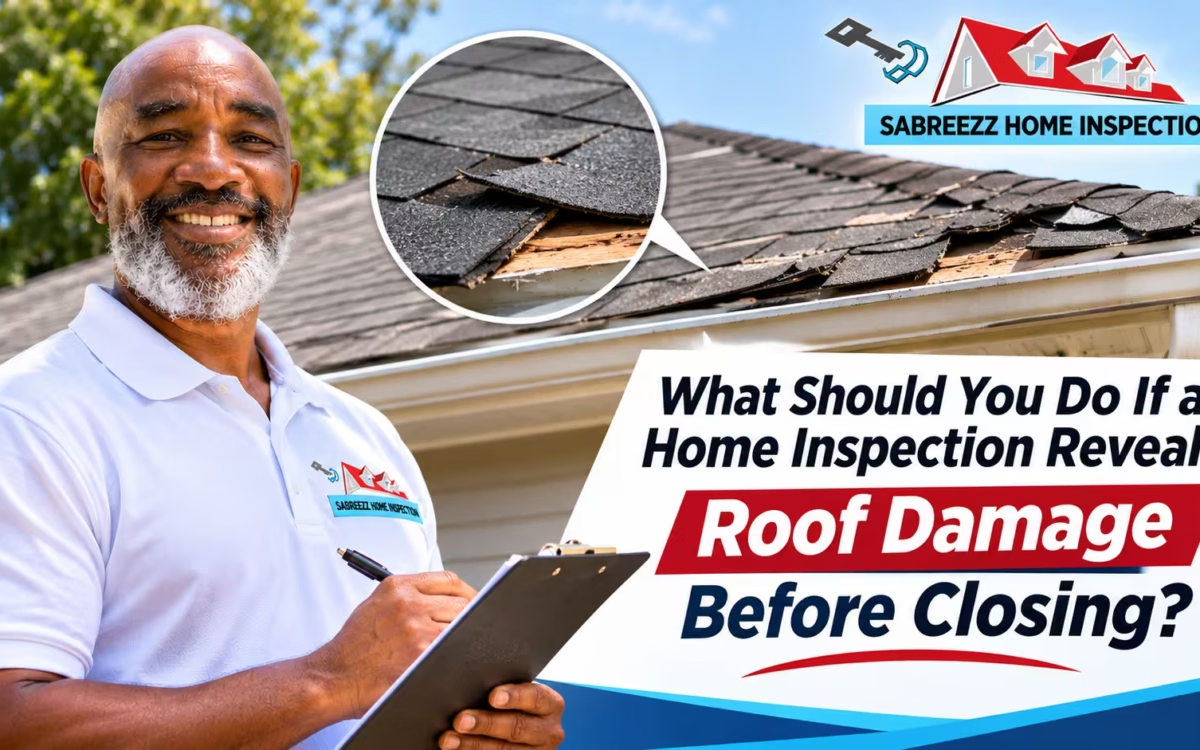
Your first move is simple: slow down and pin down exactly what the inspector saw before you agree to anything else. Roof damage found during a home inspection calls for facts, not panic. Read the report, gauge how far the damage seems to reach, and bring in a licensed roofing contractor when the notes point to leaks or deeper wear. Not every defect carries the same weight. A few missing shingles on a newer roof are usually a small fix, while damaged flashing or fresh water intrusion in the attic can mean ongoing harm. This guide explains when a specialist makes sense and which repair options exist. It also covers seller negotiations and how the issue might affect your loan and closing date.
What Does Roof Damage Found During a Home Inspection Mean?
It means the inspector spotted a visible condition worth your attention. The report records what was observable that day. It can’t confirm how far the damage reaches, what caused it, or what a repair will cost.
Understand What the Inspection Report Actually Identifies
Read the roof section line by line and match each note to its photo. Typical comments cover missing shingles, damaged flashing, and attic stains that hint at water intrusion. Check the listed limitations too, since snow or a steep pitch can keep an inspector off the roof. An observed defect still isn’t a diagnosis, because a licensed roofing contractor can examine layers your inspector can’t see.
Determine Whether the Finding Needs Further Evaluation
Sort each note by how much harm it could do before you get the keys. A few lifted shingles on a newer roof usually count as routine maintenance. Active leaks and loose flashing let water in with every storm, and attic moisture or sagging can signal structural roof damage. Those findings deserve a specialist’s opinion.
What Roof Problems Should Buyers Take Seriously Before Closing?
Location, extent, and likely consequences decide how serious a roof finding is. One cracked shingle over a garage matters far less than widespread wear above a bedroom.
Missing Shingles and Deteriorating Roof Coverings
Missing, cracked, or curled asphalt shingles leave the layers below open to sun and rain. Isolated spots usually call for a targeted repair. Widespread curling or bald, granule-free patches point to deterioration across the whole roof. An aging roof with scattered damage may need replacement soon.
Damaged Flashing and Signs of Roof Leaks
Flashing seals the joints where the roof meets chimneys and vent pipes, and any gap lets water run along the framing. Chimney flashing deserves a close look because its sealant breaks down over time. Ceiling and attic water stains are clues rather than proof, since a dry stain may come from an old leak that’s already fixed.
Roof Decking, Drainage, and Other Concerning Conditions
Sagging or darkened roof decking, the wood sheathing under the shingles, can signal long-term moisture. Underlayment sits between the decking and shingles, so its condition often stays hidden until a roofer lifts a section. Clogged gutters count as roof drainage problems too. Weak roof ventilation traps damp attic air and helps ice dams form during Chicago winters, letting meltwater back up under the shingles.
Treat this table as a general guide while you read your property inspection report, since a qualified professional’s findings should drive your response.
| Roof finding | Why it matters | Suggested next step |
| Missing or damaged shingles | May expose areas to water intrusion | Request a closer evaluation |
| Damaged flashing | May allow water around roof connections | Have the affected area assessed. |
| Active roof leaks | May cause ongoing moisture damage | Seek prompt professional evaluation. |
| Attic water stains | May indicate current or previous moisture intrusion | Determine the source. |
| Deteriorated roof covering | May indicate broader roofing wear | Obtain a roof condition assessment. |
| Possible decking damage | May indicate deterioration beneath the roof covering | Request specialist evaluation. |
What Should You Do After Roof Damage Appears in the Inspection Report?
Your job now shifts from spotting the problem to measuring it. Move fast and keep everything in writing, because contract deadlines don’t wait for roofers.
Review the Findings and Prioritize the Concerns
Pull every roof comment into one list with its location, description, and photo number. Then separate normal wear from conditions your inspector flagged for further evaluation. Call the inspector about any vague note and ask what they saw, how widespread it looked, and whether they reached the area.
Arrange an Evaluation by a Qualified Roofing Contractor
Your inspector covers the whole house, while a licensed roofing contractor can walk the roof and lift shingles to check the decking and underlayment. Illinois requires roofers to hold an IDFPR license, so verify the number online. Leaks, moisture, or widespread wear usually justify the visit, while a lone loose shingle may not. Ask for a written assessment covering cause, scope, and recommended repair.
Collect Repair Estimates and Supporting Documentation
Written records turn a vague worry into a number you can negotiate with, so gather what you can:
- A written assessment and repair scope
- Photos of the damaged areas
- An itemized roof repair estimate, if offered
- Past repair records or warranty details from the seller
Two estimates give you a more realistic price range to bring to the seller.
What Can You Ask the Seller to Do About Roof Damage?
Seller roof repair negotiation usually lands on one of three paths: repairs, a credit, or a lower price. The right one depends on the problem’s size and your remaining time.
Request Roof Repairs Before Closing
Put your repair request in writing and spell out the exact scope. Name the areas, the expected work, a licensed roofing contractor, and a completion date before closing. A verbal promise isn’t proof, so request this documentation before your final walkthrough:
- Paid invoices or receipts
- Before-and-after photos, when available
- The contractor’s name, license number, and work description
- Any warranty that covers the repair
Consider a Closing Credit or Price Adjustment
Winter weather or a booked roofer can make repair before closing impractical. A closing credit or lower purchase price lets you hire your own contractor after closing, and your estimate gives that request solid footing. Lenders often cap seller concessions, and your contract sets its own terms, so confirm any figure with your lender and agent first.
Understand Your Inspection Contingency and Contract Terms
An inspection contingency gives you a set window to respond to what the inspection finds. Your real estate purchase agreement decides whether that response can include repairs, renegotiation, or cancellation. Check its deadlines and notice requirements before sending any request, because a missed date can shrink your options. Sellers may accept, reject, or counter. Have your agent or attorney walk you through the terms, including any attorney review period.
Can Roof Damage Affect Mortgage Approval or Closing?
It can, depending on the roof’s condition and what your lender and insurer require. A minor note rarely matters, but active leaks or serious deterioration draw closer scrutiny.
Understand Possible Mortgage and Insurance Concerns
The lender’s appraiser notes obvious property problems because the home secures the loan. FHA loans and some other programs set minimum property standards, including a roof that keeps moisture out. Insurers may also hesitate to cover an old or damaged roof. Ask your lender and insurer early what they require.
Prepare for Possible Closing Delays
Scheduling a roofer, getting a written estimate, and gathering paperwork all take time. Negotiations and repairs add more days, especially when cold weather slows outdoor work. None of this automatically delays closing, but ask your agent early about a possible extension and get it in writing.
Should You Still Buy a House With Roof Damage?
Roof damage alone doesn’t make a house a bad purchase, and a solid home with a worn roof can be a smart buy at the right price. Weigh these points before you decide:
- The type and extent of damage, including leaks or structural concerns
- Whether the roofer recommends repair or full roof replacement
- The written estimate and the seller’s response to it
- Your budget and comfort with future repair bills
- Your remaining options under the purchase agreement
Let the actual findings, costs, and contract terms drive the decision rather than fear.
Frequently Asked Questions
Should You Request a Roofing Contractor Inspection After a Home Inspection Finds Roof Damage?
It’s worth it when the report notes leaks, moisture, or widespread wear. A roofer can give you a specialized, hands-on assessment and put the cause and cost in writing.
Will a Seller Fix Roof Damage Before Closing?
Some sellers will fix it, while others offer a credit or simply decline. Market conditions, contract terms, and a solid roofer’s estimate all shape their answer.
Should You Walk Away From a House With Roof Damage?
Only if the facts point that way. Major structural damage, an unaffordable replacement, or an unwilling seller may justify leaving. Review your contingency terms with your agent or attorney first, because your rights depend on the contract.
Final Thoughts
A roof problem in your report is a signal to gather facts before closing. Read the findings closely and get a licensed roofer’s opinion when leaks or deeper wear show up. Then use written estimates to request repairs or a credit from the seller. Sabreezz Home Inspection is a licensed Chicago home inspection company and an InterNACHI Associate. Its residential inspection reports include photos, findings, and repair recommendations. Schedule your Chicago home inspection with Sabreezz before you commit to your next home.