
What Does a Home Inspection Cover Before Buying a House?
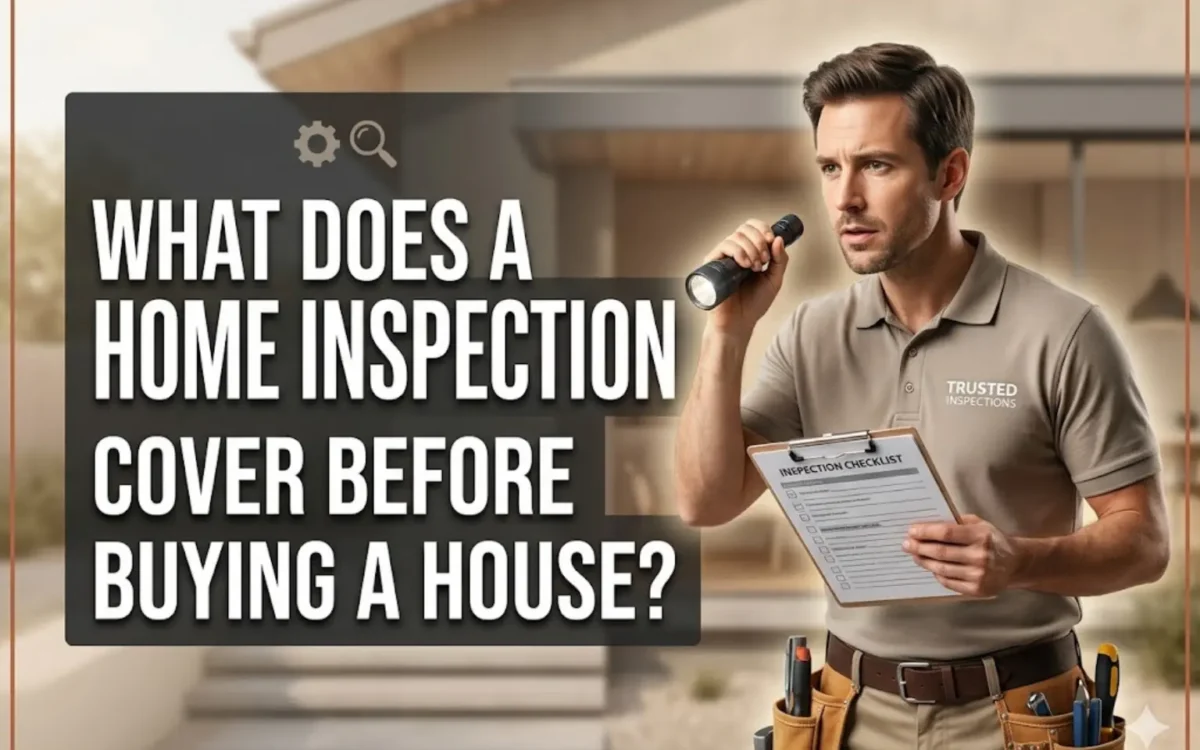
Buying a home is exciting, but it can also feel risky. A house may look perfect on the outside, but hidden problems can cost you a lot of money later. This is why a What Does a home inspection is one of the most important steps before you buy any property.
A professional inspection helps you understand the real condition of the house. It shows you what works, what needs repair, and what could become a problem in the future. When you get a proper pre-purchase inspection, you make a smarter and safer buying decision.
What a Home Inspection Covers
A home inspection checks the overall condition of the house. The inspector carefully looks at all major systems and parts of the property that are easy to access.
In a standard inspection, the inspector checks:
- Structure of the house
- Roof and attic area
- Electrical system
- Plumbing system
- Heating and cooling system (HVAC)
- Inside and outside areas
- Safety issues and damage signs
The inspector does not pass or fail the home. Instead, they prepare a detailed inspection report that explains the condition of everything in simple terms.
Structural Inspection and Foundation Check
The structure is the most important part of any house. If the structure is weak, the whole home becomes unsafe. That is why a structural inspection is a key part of every check.
What inspectors look for in structure
During a structural check, inspectors look for:
- Cracks in walls or ceilings
- Uneven or sloping floors
- Signs of settling in the foundation
- Weak or damaged support areas
- Visible structural damage
A strong foundation keeps the house stable. If the foundation has issues, it may lead to bigger repair costs in the future. Inspectors carefully study the home’s structural integrity review to make sure the building is safe.
Roof, Exterior, and Interior Inspection
The roof protects the entire house from rain, heat, and weather damage. That is why roof inspection is very important in a home inspection.
Roof and exterior check
Inspectors look at:
- Broken or missing shingles
- Roof leaks or water stains
- Gutter problems
- Drainage around the house
- Damaged siding or paint
They also check windows, doors, and walls on the outside.
Inside the house
Inside the home, inspectors check:
- Wall cracks or stains
- Floor condition
- Ceiling damage
- Doors and windows function
- Signs of moisture or leaks
This full interior and exterior inspection helps find problems that you may not notice during a normal visit.
Electrical System Inspection
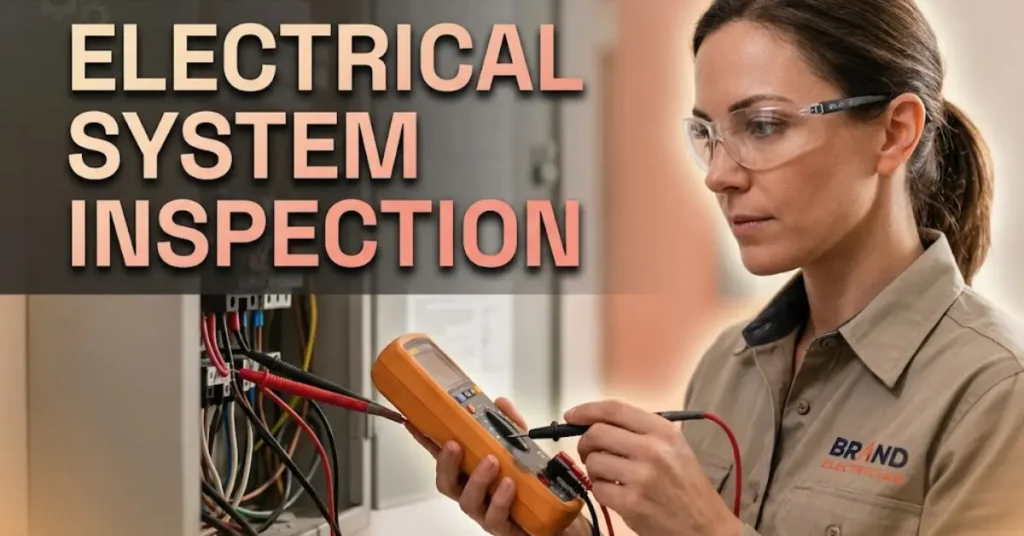
Electrical safety is very important in every home. Faulty wiring can cause fire risks and power issues. That is why inspectors carefully check the electrical system.
During an electrical system inspection, they look at:
- Electrical panel condition
- Circuit breakers and load safety
- Wall outlets and switches
- Wiring condition (visible parts)
- Any safety risks
If the home has old or damaged wiring, the inspector will mention it in the report so you can plan repairs.
Plumbing Inspection and HVAC Check
Water and air systems are important for daily comfort. A small issue in these systems can turn into a big repair bill if ignored.
Plumbing inspection
In a plumbing inspection, the inspector checks:
- Water pipes and leaks
- Water pressure
- Drain system
- Faucets and sinks
- Water heater condition
Leaks are one of the most common home inspection problems, and they can cause mold and damage if not fixed early.
HVAC system check
The HVAC system controls heating and cooling in the house. Inspectors check:
- Air conditioning performance
- Heating system function
- Airflow in rooms
- Thermostat operation
- Filter and duct condition
A working HVAC system helps keep the home comfortable and energy efficient.
Moisture, Mold, and Safety Problems
Moisture is one of the biggest hidden problems in homes. It can cause mold, smell, and even weaken the structure over time.
Inspectors look for:
- Damp walls or ceilings
- Mold growth in bathrooms or basements
- Water stains or leaks
- Poor ventilation
They also check safety risks like:
- Loose stairs or railings
- Fire hazards
- Missing smoke detectors
- Slippery or unsafe flooring
These safety issues are important because they affect your health and daily living.
How Long Does a Home Inspection Take?
Many buyers ask, how long does a home inspection take. In most cases, it takes about 2 to 4 hours.
The time depends on:
- Size of the house
- Age of the property
- Condition of systems
- Extra services like sewer or mold checks
After the inspection, the inspector sends the inspection report within 1 to 2 days.
Most Common Home Inspection Problems
Most homes, even new ones, have some issues. A home inspection helps you find them early.
Some of the most common home inspection problems include:
- Roof leaks or damage
- Old or unsafe wiring
- Plumbing leaks
- Weak drainage around the house
- HVAC system wear and tear
- Small foundation cracks
These problems do not always mean you should avoid the house. But they help you understand repair costs before you buy.
Special Inspections You May Need
Sometimes a normal inspection is not enough. You may need extra checks for better safety and understanding.
These can include:
- Mold inspection
- Termite inspection
- Radon testing
- Sewer scope inspection
- Thermal imaging inspection
- Home energy audit
- FHA 203k inspection
These extra services help find hidden issues inside walls, underground pipes, or air quality problems.
Why a Home Inspection Is So Important
A home inspection gives you real information about the house. It helps you avoid surprise repair costs after you move in.
It also helps you:
- Understand the true property condition
- Negotiate a price if repairs are needed
- Plan future maintenance
- Stay safe from hidden hazards
A trusted inspector gives you a clear property condition assessment so you can buy with confidence instead of guesswork.
For a reliable and detailed inspection service, you can trust Sabreezz Home Inspection. They check every important system carefully and explain everything in simple language so you understand the real condition of your future home.
Final Thoughts
When you go to visit a home, it may appear from the outside perfect, but there are often lurking problems beneath the walls, floors, and on the roof. A proper inspection gives a complete view so that you don’t make a wrong financial decision later.
Whether it is a structural check, plumbing, electrical, roofing, or even safety systems, a home inspection from Sabreezz Home Inspection provides ease and peace of mind. It keeps your money safe and prevents headaches down the road.
If you are planning to buy a house, never skip this step. A good inspection today can save you from major repairs tomorrow.
FAQs
Will a home inspection cover a warm workspace?
A home inspection covers the physical structure, roof, plumbing, electrical system, and HVAC, in addition to safety concerns with a house.
Do I even need a pre-purchase inspection?
A pre-purchase inspection enables you to discover hidden problems before buying it, and saves you from money pit repairs.
A home inspection does not find everything?
The type that locates the most visible and accessible problems, but is incapable of detecting anything behind the walls or in underground areas without tools.
What are the popular home inspection concerns?
Typical difficulties look like leaks on a roof, plumbing troubles, electric failures, and small-scale structural cracks or wear along the iron sheets of your home.
What is the level of detail in the inspection report?
The report is an in-depth inspection with findings, photos, and repair suggestions written to be easily understood by a layperson.