

FHA 203k Inspection in Chicago, IL: What the Consultant Does & Why You Need One
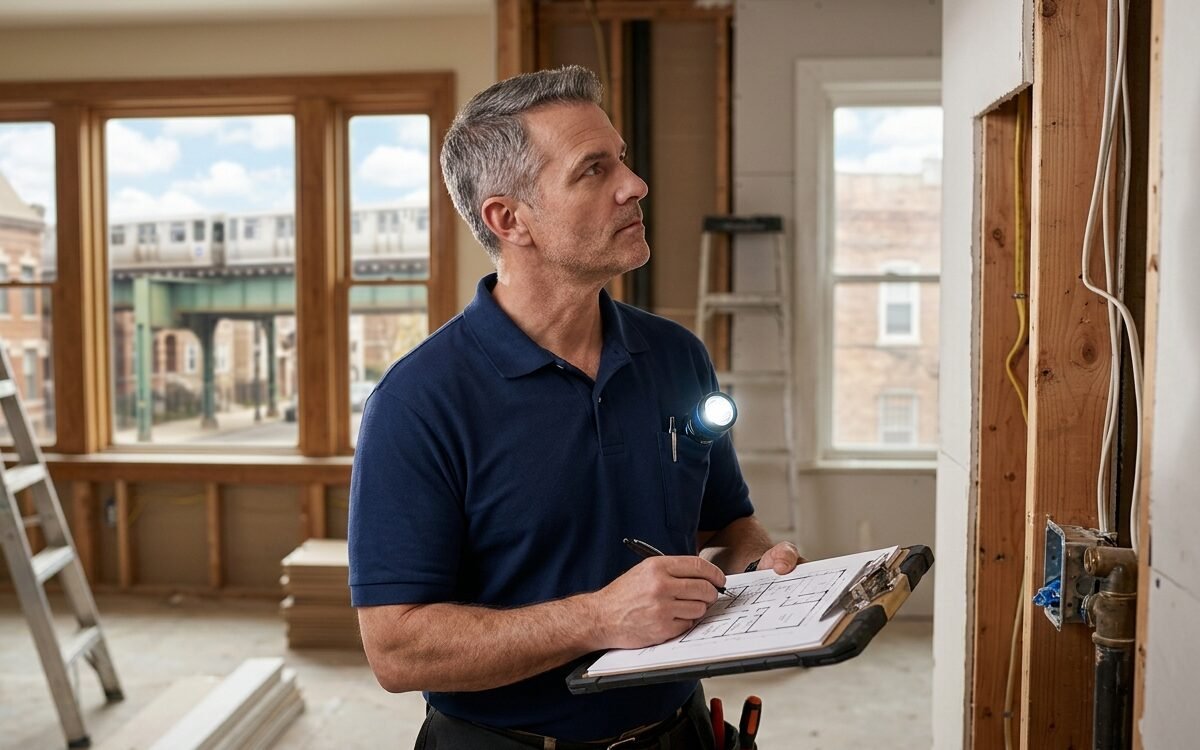
An FHA 203k inspection in Chicago helps home buyers understand a property’s condition before starting renovation work. It is an important step for buyers using an FHA 203k renovation loan. The inspection reviews needed repairs, creates a clear plan, and helps estimate renovation costs. A qualified 203k consultant makes sure the project follows FHA rules and helps avoid expensive surprises during the renovation process.
What Is an FHA 203k Inspection in Chicago?
An FHA 203k inspection is a detailed review of a home that needs repairs or improvements before it becomes move-in ready. It is used with an FHA home renovation loan to identify problems and plan the required work.
During an FHA 203k home inspection, the consultant checks important parts of the property. This may include the structure, safety concerns, plumbing, electrical systems, roofing, and other repair needs. The goal is to create a clear picture of the home’s current condition.
Many older homes in Chicago need updates before they can meet modern living standards. An Illinois FHA 203k inspection helps buyers understand what repairs are needed before they invest money into the property.
The inspection also supports the creation of a property condition report. This report explains the home’s issues and provides details needed for the renovation loan process.
Why Do You Need a 203k Consultant for an FHA Renovation Loan?
A 203k consultant helps homeowners manage the renovation process from inspection to project completion. FHA renovation loans have specific rules, and a consultant helps make sure every step follows those requirements.
A regular home inspection may identify problems, but a 203k consultant does more. They review repairs, help create a renovation plan, and prepare documents needed for loan approval.
For a Chicago home renovation loan, the consultant plays an important role because many properties may need multiple repairs. They help organize the work and make sure the renovation budget is realistic.
A consultant can also help prevent costly mistakes. Without proper planning, repair costs may increase after work begins. A professional consultant reviews the property carefully and creates a better path for completing the project.
What Does an FHA 203k Consultant Check During an Inspection?
An FHA 203k consultant checks many areas of the home to understand its repair needs. The inspection focuses on safety, function, and improvements required for the renovation plan.
The consultant usually reviews:
- Structural conditions
- Roof condition
- Plumbing systems
- Electrical systems
- Heating and cooling systems
- Windows and doors
- Safety issues
- Water damage
- Required FHA repairs
The consultant also looks at whether the planned improvements are reasonable for the property. They help buyers understand which repairs are urgent and which upgrades are optional.
A detailed inspection creates a strong foundation for the renovation process. It helps lenders, buyers, and contractors understand the project scope before work starts.
How Does the FHA 203k Inspection Process Work in Chicago?
The FHA 203k inspection process follows several steps. Each stage helps create a clear renovation plan and keeps the project organized.
For Chicago homeowners, the process usually begins after selecting a property and choosing an FHA 203k loan option. The consultant visits the home, reviews the condition, and prepares reports.
The process helps connect the home inspection findings with the renovation budget. This makes it easier for lenders to approve the loan and release funds correctly.
A proper inspection also reduces delays. When repairs, costs, and timelines are planned early, homeowners can move forward with more confidence.
Step 1: Property Review and Condition Report
The first step is a complete property review. The FHA 203k consultant visits the home and checks its current condition.
During this visit, the consultant identifies repair needs and safety concerns. They document problems that may affect the renovation plan or loan approval.
The consultant then prepares a property condition report. This report explains the repairs needed and provides details about the home’s condition.
The report is important because it gives everyone involved a clear understanding of the project. Buyers know what work is required, and lenders can review the renovation plan properly.
For homes in Chicago’s older neighborhoods, this step can reveal issues that are not visible during a normal property visit.
Step 2: Repair Planning and Cost Estimate
After reviewing the property, the consultant helps create a repair plan and cost estimate. This step shows what improvements will be completed and how much they may cost.
The cost estimate includes expected expenses for labor, materials, and necessary repairs. It helps buyers understand whether the renovation budget matches their FHA loan amount.
A proper cost estimate is important because inaccurate numbers can create problems later. If repair costs are higher than expected, homeowners may face delays or additional expenses.
The consultant works with the renovation team to create a realistic plan. This helps keep the project organized and within FHA guidelines.
Step 3: Final Draw Inspection
The final draw inspection happens after renovation work is completed. It allows the consultant to confirm that approved repairs were finished correctly.
During a final draw inspection, the consultant reviews completed work and compares it with the original renovation plan. They check if the required improvements were completed according to the agreed scope.
This inspection helps the lender release the remaining renovation funds. It protects both the homeowner and the lender by confirming that the project meets expectations.
A final inspection is an important closing step for FHA 203k renovation projects in Chicago.
What Is Included in a Standard 203k Inspection?
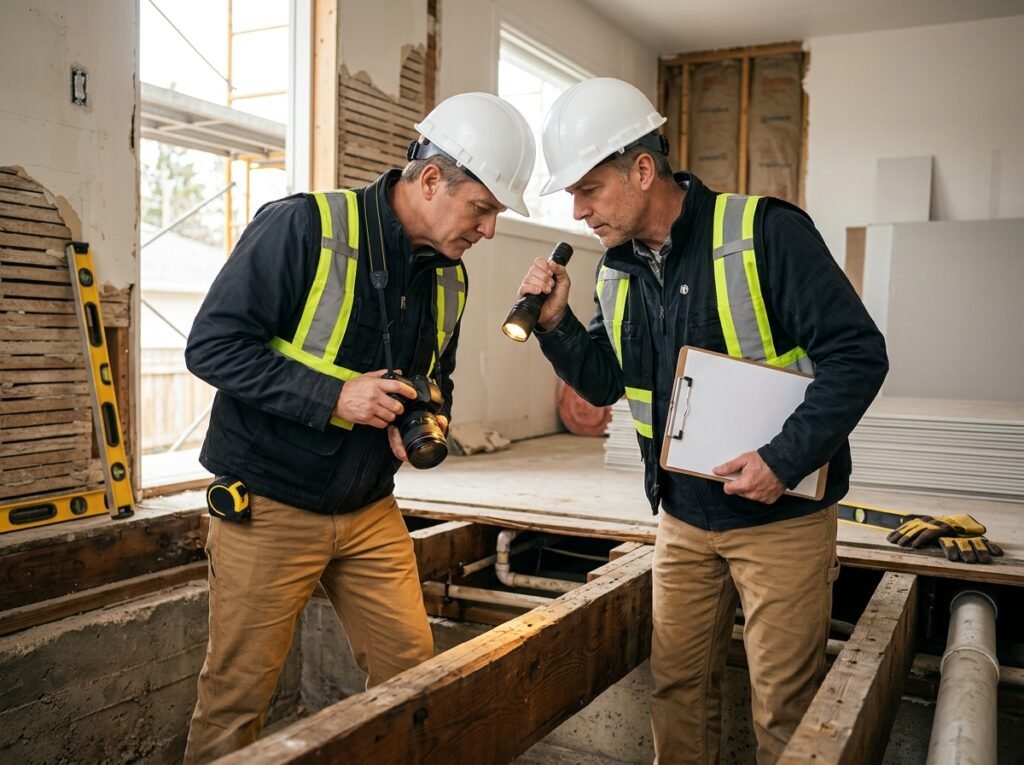
A Standard 203k inspection is used for larger renovation projects. It covers more detailed repairs compared to a Limited 203k loan.
The inspection may include:
- Major structural repairs
- Room additions
- Large system upgrades
- Plumbing improvements
- Electrical updates
- Heating and cooling repairs
- Safety improvements
The consultant reviews the home and determines what work is needed. They also help create documentation required for FHA approval.
A Standard 203k inspection is useful for buyers purchasing older homes that need significant improvements before they are comfortable and safe.
How Much Does an FHA 203k Inspection Cost in Chicago?
The cost of an FHA 203k inspection in Chicago depends on the property size, project complexity, and consultant fees. Larger homes or major renovation projects may require more detailed reviews.
The inspection cost is usually affected by:
- Home size
- Number of repairs
- Project scope
- Required reports
- Consultant experience
While the inspection adds an upfront cost, it can save money later. A detailed review helps identify problems before renovation work begins.
For buyers using a Chicago FHA inspection service, investing in proper planning can reduce unexpected repair expenses.
How Can an FHA 203k Home Inspector Help Buyers?
An FHA 203k home inspector helps buyers make better decisions before purchasing a property. They provide information that is not always clear during a normal home viewing.
The inspector identifies repair needs and explains what improvements may be required. This helps buyers understand the true condition of the home.
For first-time buyers, the process can feel complicated. A professional consultant makes the renovation loan process easier by organizing reports, repair plans, and cost details.
A reliable FHA 203k home inspector in Chicago gives buyers confidence that their renovation project has a clear direction from start to finish.
FAQs
What is an FHA 203k inspection?
An FHA 203k inspection is a property review completed for homes purchased with an FHA renovation loan. It identifies repair needs, safety issues, and improvement requirements. The inspection helps create a renovation plan and cost estimate before work begins. In Chicago, this process is especially helpful for older homes that may need updates before they become comfortable and safe living spaces.
Do I need a 203k consultant for every FHA renovation loan?
Not every FHA renovation loan requires the same level of consultant involvement. Limited 203k loans may have fewer requirements, while Standard 203k loans usually require a consultant. A 203k consultant helps manage inspections, repair plans, and reports. They make sure the renovation project follows FHA guidelines and help reduce problems during the renovation process.
How long does a 203k inspection take in Chicago?
The time required for an FHA 203k inspection depends on the property size and renovation needs. A simple review may take a few hours, while larger homes may require more time. After the inspection, the consultant prepares reports and repair details. The complete process may take several days depending on the project complexity and documentation needs.
What does a final draw inspection include?
A final draw inspection checks whether the approved renovation work has been completed correctly. The consultant reviews finished repairs and compares them with the original renovation plan. This inspection helps confirm that the project meets FHA requirements. After approval, the lender can release the remaining renovation funds to complete the loan process.
Can an FHA 203k inspection find hidden problems?
Yes, an FHA 203k inspection can help identify many hidden problems before renovation begins. The consultant reviews important home systems and looks for issues that may affect safety or repair costs. Problems with plumbing, electrical systems, structure, or water damage can often be discovered during the inspection. Early detection helps buyers plan better and avoid unexpected expenses.