

Should You Request a Re-Inspection After the Seller Completes Repairs?
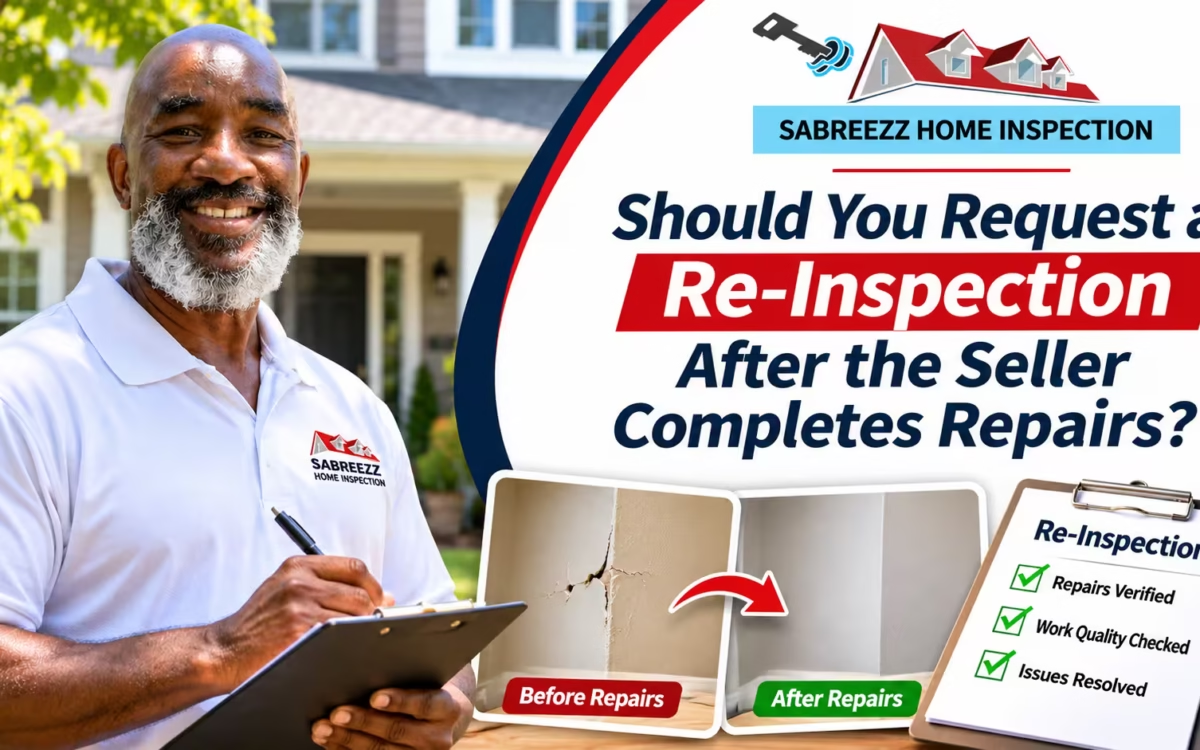
Your agent forwards a short message from the seller’s side saying every agreed repair is finished. You’re less than two weeks from closing. Now you have to decide whether to take that message at face value or send someone back. A home re-inspection after repairs gives you a second look at the specific problems your inspector flagged and the seller promised to fix. A patched roof leak or a corrected electrical hazard deserves another look, while a new cabinet knob probably doesn’t. Below you’ll find what a follow-up visit covers, when it’s worth the trouble, and what to do if the work falls short.
What Does a Home Re-Inspection After Repairs Actually Check?
A re-inspection is a short, focused return visit to review the items in your original inspection report or repair agreement. It isn’t a second full inspection, and the narrow scope is deliberate.
Comparing Completed Work With the Original Inspection Findings
The original report works as the inspector’s map, and your repair agreement trims it to the items the seller agreed to address. The inspector works through those items one at a time and sorts each into done, partly done, or not addressed. Say the seller replaced a corroded water heater supply line but skipped the missing drain pan noted beside it. You could easily miss that gap on your own, but an inspector holding the report will catch it.
Reviewing Visible Repairs to Major Home Systems
On electrical safety repairs, the inspector can test a new GFCI outlet and confirm that open junction boxes now have covers. For plumbing repairs, the inspector runs water at the fixed sink and looks underneath for fresh drips or staining. For roof leak repairs, the inspector checks the patch where it’s safe to reach and the attic below. With HVAC repairs, the inspector runs a normal cycle and confirms the system responds to the thermostat. The inspector can review structural work like a new support post only as far as it’s exposed. Anything buried behind drywall or under shingles stays out of reach.
Documenting Remaining Concerns
Many inspectors provide photos and short notes for each rechecked item, so ask what you’ll receive before booking. A useful write-up flags incomplete work, rough workmanship, and conditions that need a specialist. A drain joint wrapped in tape instead of properly repaired belongs on paper, not in a passing comment on the driveway.
When Should You Request a Re-Inspection Before Closing?
Not every repair needs a second visit. The call depends on the original findings, the agreed repairs, and what a failed repair would cost you after you own the place. A re-inspection before closing usually earns its fee in situations like these:
- Major structural or foundation repairs
- Electrical repairs that addressed a safety hazard
- Plumbing repairs tied to an active leak or water damage
- Roof repairs meant to stop a leak or fix damaged areas
- HVAC repairs that affect heating, cooling, or safe operation
- Any repair finished just days before closing
- Work done with thin paperwork or no clear description of what changed
These items share one trait: if the repair fails after closing, you pay for it, and the damage can spread. A slow leak under a bathroom floor can rot the subfloor for months before anyone notices. Last-minute work deserves extra attention because nobody has seen whether it holds up. Missing paperwork leaves you guessing about what the contractor actually did.
What Should You Prepare Before the Follow-Up Inspection?
Your inspector can only check what they know about, so a clear picture of the seller’s work makes the visit faster and sharper.
Gather the Original Inspection Report and Repair Agreement
The original report pins down what each problem was and where it sat. The repair agreement carries equal weight because it shows which items the seller actually agreed to fix, and those two lists rarely match. Bring the signed repair request or contract addendum so the inspector reviews exactly what you negotiated.
Collect Contractor Invoices and Repair Documentation
Ask the seller’s agent for contractor invoices, receipts, and written descriptions of each job. Permits or city approvals matter too when the work required them. For a replaced water heater or furnace, request the model and install date along with any warranty or service records.
These records tell the inspector what was done, but an invoice only proves someone billed for a job, not that it solved the problem.
Confirm Access to the Repaired Areas
A locked utility closet can waste the whole trip. Make sure the seller clears access to the attic hatch, crawlspace, electrical panel, and mechanical room. Book the visit only after the seller confirms every repair is complete, since half-finished work means paying for another trip. Send any questions about the work to your inspector ahead of time.
How Is a Re-Inspection Different From the Final Walkthrough?
Both happen close to closing, so buyers sometimes treat them as one step even though they do very different jobs.
| Re-Inspection | Final Walkthrough |
| Focuses on agreed repairs and previous inspection findings | Checks the property’s general condition before closing |
| Conducted by a home inspector when arranged | Usually conducted by the buyer and/or their real estate agent |
| Uses the original report and repair details as reference points | Often checks agreed property condition, included items, and occupancy-related changes |
| May provide a written repair verification report | Does not automatically provide a professional inspection report |
A walkthrough confirms the house still matches the deal you signed. It was never meant to judge whether a contractor wired a circuit correctly. When repair quality is the question, you need a trained inspector looking at the work.
What If the Seller’s Repairs Are Incomplete or Still Have Problems?
A follow-up visit can turn up unfinished work, a sloppy fix, or an original problem nobody touched, which is exactly why you scheduled it.
Separate Completed Repairs From Unresolved Findings
Go through the results one repair at a time and mark each as done, partly done, or not addressed. Then pull out anything the inspector flagged as a new visible concern, such as fresh staining around a patched roof area.
Discuss the Findings With Your Real Estate Agent
Share the follow-up findings, photos, and repair documents with your agent. Your agent can explain what your contract allows, which might mean more repairs, a closing credit, or another agreed fix. The inspector reports conditions but doesn’t settle contract disputes or decide whether closing goes ahead.
Determine Whether Specialist Evaluation Is Needed
A licensed electrician can test a questionable circuit, and a plumber can run a camera through a suspect drain. A roofer, HVAC technician, or structural engineer can do the same for their part of the house. A general home re-inspection doesn’t replace that kind of testing or certification, so follow through on any specialist referral before you close.
What Are the Limitations and Costs of a Home Re-Inspection?
Know the scope and fee before you book. A re-inspection isn’t a second full look at the house, and concealed work is its biggest blind spot. An inspector can’t see wiring behind new drywall, check decking under fresh shingles, or guarantee code compliance.
Across Northern Virginia, return visits cost much less than a full inspection and usually depend on how many repairs need checking. Ask upfront what the fee covers, if you’ll get a written summary with photos, and whether extras like moisture testing cost more. Virginia requires home inspectors to hold a DPOR license, so asking for their number is fair game. Buyers usually pay out of pocket, though you can sometimes negotiate the fee into your repair addendum.
FAQs
Do You Need a Re-Inspection After Every Seller Repair?
No. You can check a sticking door or a replaced cabinet knob yourself. Save the follow-up for repairs tied to safety, water, structure, or major systems, plus anything you still feel uneasy about.
Can a Home Inspector Verify Repairs Without Contractor Invoices?
Partly, since an inspector can visually review accessible work without paperwork. Invoices still help explain what the contractor did, which matters most when part of the job sits out of sight.
Is a Re-Inspection the Same as a New Home Inspection?
No. A new inspection covers the accessible systems and components of the whole house, while a re-inspection only looks at the agreed repairs. A full fresh look requires a new inspection and a matching fee.
Final Thoughts
A re-inspection makes sense when the seller agreed to fix something important, especially anything tied to safety, water, or structure. Before the visit, compare the completed work with your original inspection report and collect every invoice you can. Keep the limits of a visual check in mind too, because it can’t see inside walls. Sabreezz Home Inspection works with homebuyers across the Chicago area and is associated with InterNACHI. Its reports include photographs, findings, and recommendations, giving you a clear record to work from. If you’re buying in Chicago, reach out to Sabreezz Home Inspection to talk through your inspection needs.