

FHA 203k Loan Process in Chicago: Step by Step from Property Search to First Disbursement
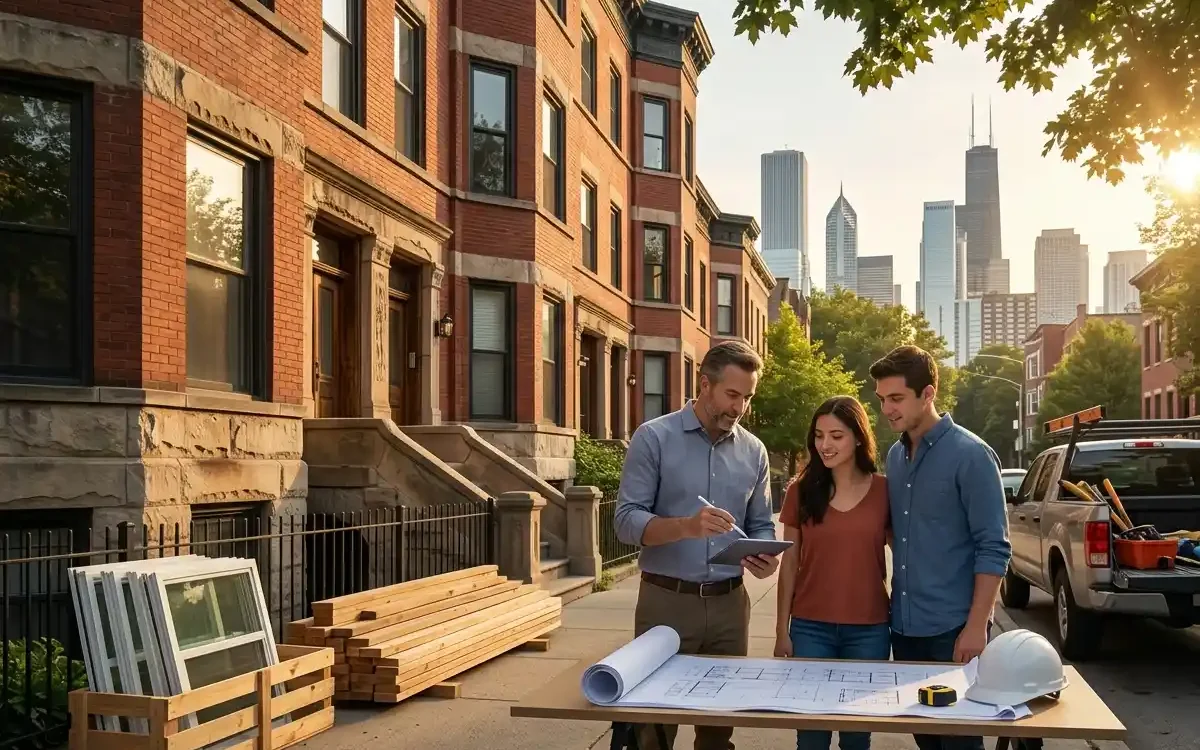
The FHA 203k loan process in Chicago helps homebuyers purchase and renovate a property with one mortgage. Instead of getting a separate loan for repairs, buyers can finance improvements through an FHA-backed renovation loan. The process includes property checks, contractor estimates, appraisals, approvals, and renovation planning. Understanding each step can help Chicago buyers avoid delays and prepare for a smoother home purchase.
What Is the FHA 203k Loan Process in Chicago?
The FHA 203k loan process in Chicago allows buyers to combine home financing and renovation costs into one FHA mortgage. It is designed for properties that need repairs, upgrades, or improvements before becoming move-in ready.
The Federal Housing Administration (FHA) insures these loans through approved lenders. This reduces lender risk and helps more buyers qualify. The process requires careful planning because renovation costs, contractor details, and property conditions must meet FHA guidelines.
Unlike a traditional mortgage, a 203k loan involves more steps. Buyers work with lenders, contractors, inspectors, and FHA-approved appraisers before receiving renovation funds.
How Does an FHA 203k Loan Work in Chicago?
An FHA 203k loan works by including repair costs inside the home mortgage. The buyer first chooses an eligible property. Then, approved professionals review the home’s condition and estimate renovation expenses.
The lender reviews the buyer’s financial details and the renovation plan. After approval, the loan closes, and renovation funds are placed into an escrow account. Money is released in stages as the work gets completed.
The basic process includes:
- Finding an eligible property
- Choosing a licensed contractor
- Getting contractor estimates
- Completing a home inspection
- Receiving an FHA appraisal
- Finalizing loan approval
- Closing the mortgage
- Completing renovations
- Receiving final approval and certificate of completion
What Are the Steps for an FHA 203k Loan in Chicago?
The 203k steps in Chicago IL follow a structured process. Each stage helps the lender confirm that the property and renovation plan meet FHA requirements.
Step 1: Find an FHA 203k Eligible Property
The first step is finding a home that qualifies for an FHA 203k loan. Many Chicago buyers choose older homes because they often need repairs or updates.
The property must meet FHA property eligibility rules. It should be safe, livable, and suitable for renovation.
Common eligible improvements include:
- Kitchen upgrades
- Bathroom remodeling
- Roof repairs
- Electrical updates
- Plumbing repairs
- Heating and cooling improvements
- Flooring replacement
- Accessibility upgrades
A home that needs major structural work may require additional review before approval.
Step 2: Get Pre-Approved by an FHA 203k Lender
Before making an offer, the homebuyer should get pre-approved. The lender checks income, credit history, debt, and available funds. Buyers should also understand how contractor estimates inspections loan limits, mortgage insurance premium costs, and expected closing costs can affect the overall FHA 203k loan process.
Pre-approval helps buyers understand their budget before searching for homes in Chicago and prepares them for the required renovation planning.
Step 3: Hire a Licensed Contractor and Collect Estimates
After choosing a property, the next step is creating a renovation plan. The buyer usually works with a licensed contractor who prepares detailed contractor estimates.
The estimate should include:
- Repair descriptions
- Material costs
- Labor charges
- Project timeline
- Payment schedule
The lender uses these details to calculate the total renovation loan amount.
A clear estimate helps prevent budget problems during construction.
Step 4: Complete a Home Inspection and Property Review
A Professional home inspection helps identify existing problems before renovation begins.
The inspection may reveal issues with:
- Foundation
- Roof condition
- Electrical systems
- Plumbing
- HVAC systems
- Safety concerns
The inspection report helps the buyer understand what repairs are needed. It also supports the contractor’s renovation plan.
For Chicago properties, inspections are especially useful because many homes have older systems that may need upgrades.
Step 5: FHA-Approved Appraiser Reviews the Property
An FHA-approved appraiser evaluates the home before loan approval.
The appraiser reviews:
- Current property value
- Planned improvements
- Future value after renovation
The appraiser creates an estimated value based on the completed renovation plan.
This helps the lender decide if the project supports the requested loan amount.
Step 6: Loan Review and Underwriter Approval
After collecting all documents, the lender sends the file to an underwriter.
The underwriter reviews:
- Borrower finances
- Contractor documents
- Renovation estimates
- Appraisal report
- Property eligibility
The underwriter confirms that the loan follows FHA rules.
Additional documents may be requested during this stage. Quick responses can help avoid unnecessary delays.
What Costs Are Included in an FHA 203k Loan in Chicago?
An FHA 203k loan can include several costs beyond the home purchase price. Understanding these expenses helps buyers plan their budget.
Renovation Costs
Renovation costs include approved repairs and improvements. These costs come from contractor estimates and project planning documents.
Examples include:
- Labor expenses
- Construction materials
- Permits
- Required repairs
The final amount depends on the property’s condition and renovation goals.
Mortgage Insurance Premium
FHA loans require a mortgage insurance premium (MIP). This protects the lender if the borrower cannot repay the loan.
The mortgage insurance premium is part of the overall FHA loan cost. Buyers should discuss exact amounts with their lender.
Closing Costs
Closing costs are additional expenses paid during the home purchase process.
They may include:
- Loan fees
- Appraisal fees
- Title services
- Inspection costs
- Other lender charges
Some costs may be included in financing depending on loan approval and lender rules.
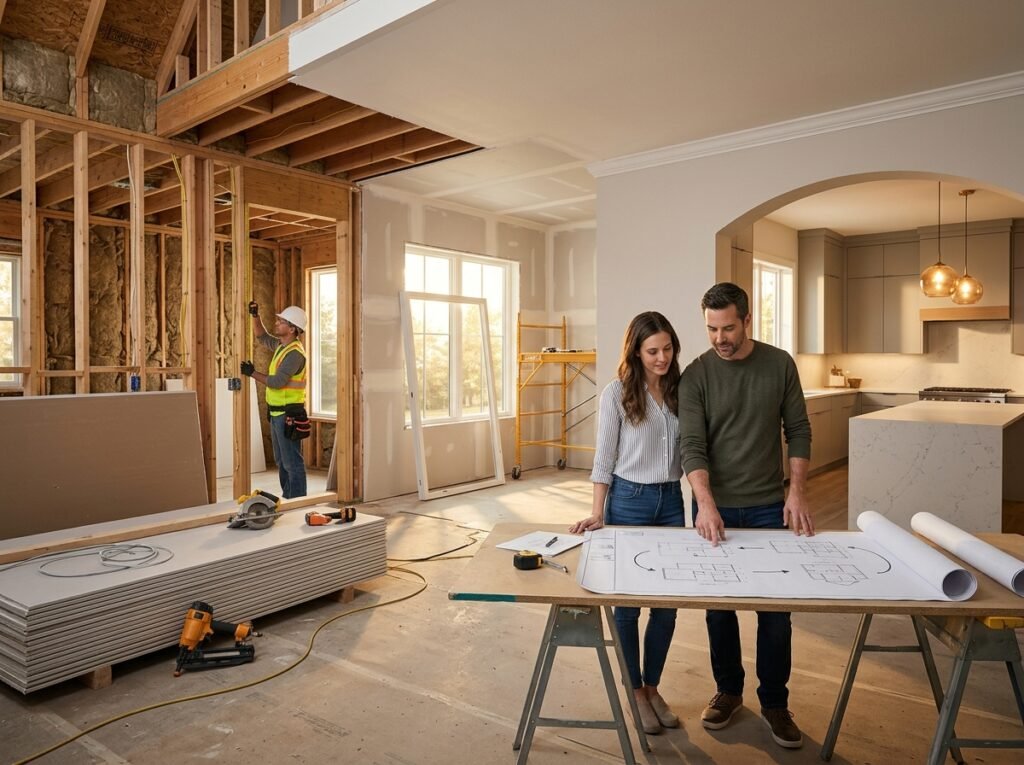
How Long Does the FHA 203k Renovation Timeline Take?
The FHA 203k renovation timeline depends on the project size and contractor schedule.
A small renovation may take a few months. Larger projects can require more time.
The timeline usually includes:
- Contractor planning
- Loan approval
- Closing
- Permit approvals
- Construction work
- Final inspection
Good communication between the homeowner, contractor, and lender helps keep the project moving.
What Happens After FHA 203k Loan Closing?
After closing, renovation funds are placed in an escrow account. The contractor begins work according to the approved plan.
The lender releases payments after confirming completed work.
These payments are called draws. They help ensure funds are used correctly.
The homeowner should monitor progress and communicate with the contractor throughout the renovation.
How Does the First Disbursement Work for an FHA 203k Loan?
The first disbursement happens after loan closing and required approval steps are completed.
Before funds are released, the lender confirms:
- Contractor agreement
- Renovation schedule
- Required documents
The contractor can then begin approved repairs.
Future payments are released after inspections confirm completed work.
What Is a Certificate of Completion for an FHA 203k Loan?
A certificate of completion confirms that the renovation project has been finished according to the approved plan.
Before final approval, the lender may require a final inspection.
The inspection verifies:
- Completed repairs
- Quality of work
- Compliance with FHA requirements
Once everything is approved, the project can officially close.
Common Mistakes Chicago Buyers Should Avoid With FHA 203k Loans
Many buyers underestimate the planning required for renovation loans.
Common mistakes include:
Choosing an Unqualified Contractor
A contractor without proper experience can create delays. Always choose a licensed contractor familiar with renovation projects.
Underestimating Repair Costs
Low estimates can create budget problems later. Accurate contractor estimates are important from the beginning.
Ignoring Property Requirements
Not every property qualifies. Buyers should review FHA property eligibility before making decisions.
Not Planning for Delays
Renovations may face permit issues, material delays, or unexpected repairs. A realistic renovation timeline helps reduce stress.
Is an FHA 203k Loan a Good Option for Chicago Homebuyers?
An FHA 203k loan can be useful for buyers who want to purchase a home that needs improvements.
It may be a good option for:
- First-time homebuyers
- Buyers purchasing older Chicago homes
- Buyers with limited renovation savings
- People who want one combined mortgage
However, the process requires patience and proper planning. Working with experienced professionals, such as Sabreezz Home Inspection, can help make the FHA 203k loan process smoother by providing thorough property inspections and guidance throughout the renovation planning process.
FAQs
What is the FHA 203k loan process in Chicago?
The FHA 203k loan process in Chicago combines home buying and renovation financing into one mortgage. Buyers first find an eligible property, prepare repair plans, get contractor estimates, complete inspections, and receive lender approval. After closing, renovation funds are released in stages as approved work is completed. The process helps buyers improve homes without using separate renovation loans.
How long does an FHA 203k loan take to close in Chicago?
An FHA 203k loan usually takes longer than a standard mortgage because it requires additional reviews. The timeline depends on lender processing, contractor estimates inspections and appraisal requirements. Many loans take several weeks to complete. Preparing documents early and working with experienced professionals can help reduce delays.
Do I need a licensed contractor for an FHA 203k loan?
Yes, FHA 203k loans generally require qualified contractors who can provide detailed estimates and complete approved work. The contractor must follow FHA renovation requirements. A good contractor helps create realistic costs, accurate timelines, and proper documentation for lender approval.
Can closing costs be included in an FHA 203k loan?
Some closing costs may be included depending on lender guidelines and loan approval. FHA 203k financing can cover approved renovation expenses, but buyers should discuss closing costs with their lender. Understanding all expenses before closing helps avoid financial surprises.
What happens after renovation work is completed?
After renovation work is completed, the lender may require a final inspection. The inspection confirms that repairs match the approved renovation plan. Once approved, the lender completes the final paperwork, including the certificate of completion. The homeowner can then fully enjoy the improved property.