

What Is a Termite Inspection and Why Is It Important?

Inspection of termites is essential in ensuring that homes are not harmed without the notice of the owners. Termites often go unnoticed until they become a big problem for the homeowner. These insects are silent and destroy wood as they age. This makes immediate action extremely significant.
A proper inspection helps in termite inspection before the damage is extended. It also allows the homeowners to know the status of their property. Having an idea of what termite inspection entails, you can take more adequate measures in keeping your home safe and preventing an expensive bill in the future. This comprehensive guide will discuss what termite inspection is, why it is important, and key signs that an inspector looks for in an inspection.
What Is a Termite Inspection?
A termite inspection is a specific examination of a house to locate evidence of termites. Inspectors search for dead termites, damage, and warnings. This is aimed at identifying the issues at an early stage and avoiding additional damage.
By inspecting areas that have termites, professionals pay attention to the places where termites live and flourish. These are wood structures, walls, and foundations. Knowing what a termite inspection is, one way of ensuring that homeowners remain vigilant and respond in time is to have one.
What Does a Termite Inspection Consist Of?
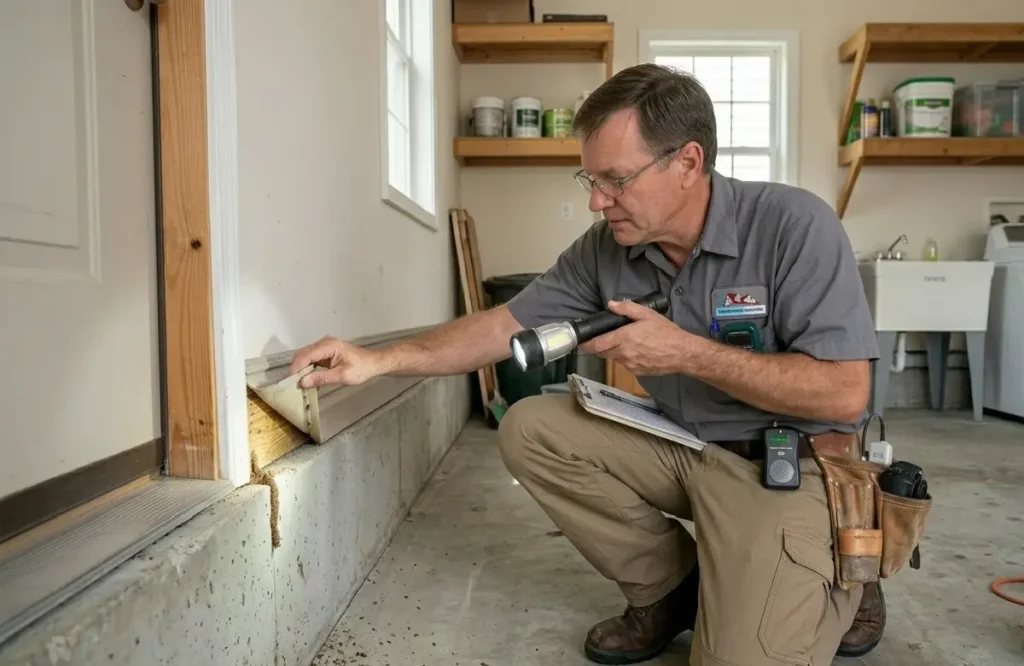
A question many people are certain to have is, what does a termite inspection entail? It involves internal and external inspections of the house. Walls, floors, ceilings, and wooden structures are inspected by the inspectors.
They also inspect outdoor locations such as gardens, fences, and foundations. In the process, professionals are directed to search for the termites, mud tubes, and damaged wood. A complete inspection provides an accurate view of the condition and level of risks of the property.
Key Signs Inspectors Look For
In a termite inspection, the workers look for obvious warning signs. The signs aid in confirming the existence of the previous activity of the termites. The damage and repair costs are minimized through early observation.
The typical signs that are checked by inspectors include:
- Walls or foundations of mud tubes.
- Hollow or damaged wood.
- Leftover wings around windows and doors.
- A visible termite indicator, such as droppings.
- Sticky places that attract termites.
These termite indicators assist specialists in making decisions regarding further treatment or follow-up.
Termite Damage Inspection Explained
A termite damage check is aimed at inspecting the degree of damage that termites have inflicted. Wooden structures are closely inspected by the inspectors. They look for whether the wood is spoiled, hollow, or fractured.
This kind of check is helpful to homeowners to know what needs to be repaired. It assists in future protection planning as well. Proper inspection of termite damage can be used to make sure that every area that has termite damage is detected before the issue becomes more serious.
Why Termite Inspection Is Important
Termite inspection assists in safeguarding the structure as well as the value of the house. Termites may be really detrimental when not taken care of. Frequent monitoring assists in the detection of issues.
When the homeowners continue looking for termites, they minimize the chances of incurring costly repairs. Peace of mind is also provided through inspections. They make the property safe, strong, and secure in the long run.
Professional Termite Monitoring
The solution to termite control is the use of professional termite monitoring, which is a long-term resolution. It deals with periodic checkups and preventive mechanisms. Professionals mount gadgets that identify the presence of termites.
The technique contributes to the constant termite inspection. It eliminates the possibility of an abrupt infestation. By having professional termite monitors, the homeowner is always guaranteed of the status of their property and is made aware of it as well.
Understanding the Termite Sticker in the Meter Box
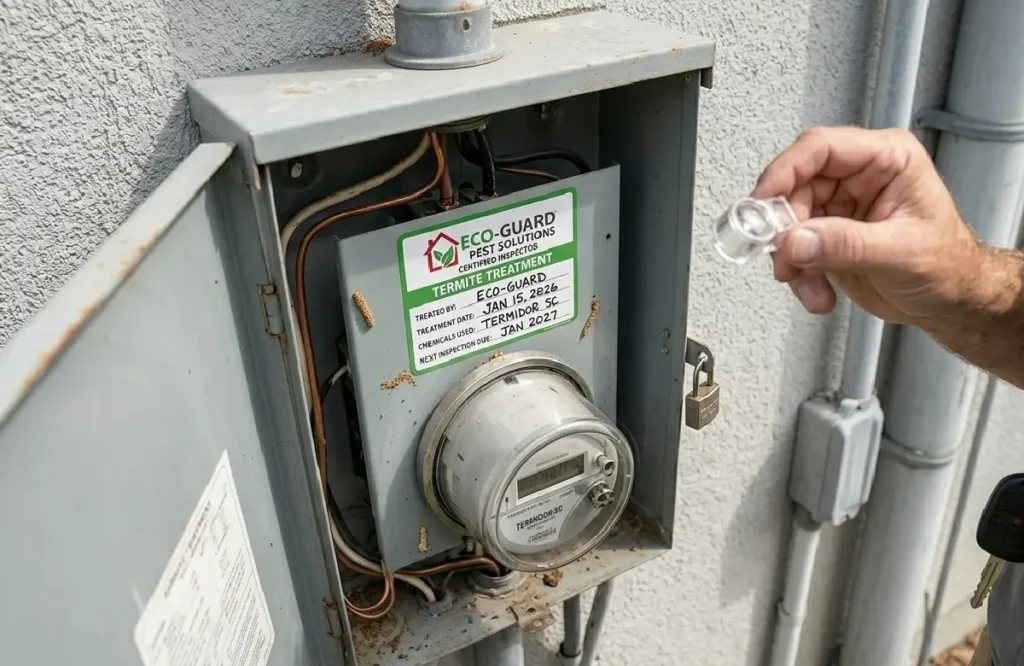
In some regions, inspectors place a termite sticker in meter box after inspection. This sticker contains the date of inspection and the information. It serves as evidence that the property is inspected.
The sticker also aids the future purchaser of the item or the inspector in examining previous activity. It helps improve record-keeping and transparency. This is a simple measure that would contribute to the inspection process.
How Often Should You Inspect for Termites?
To remain safe, professionals recommend frequent termite inspections. Inspection of most homes is required once a year. Nevertheless, locations at an increased risk of termites would need regular checks.
Periodic checks aid in the detection of the presence of termites in advance. They are also in favor of early treatment. It is always safe to be on schedule with inspections to minimize future risks.
Simple Tips to Prevent Termites
The prevention aspect is important in the control of termites. Homeowners are able to take a few measures to minimize the risks. These activities assist in inspection and enhance the safety of homes.
- Keep wood away from soil.
- Fix water leaks quickly.
- Keep areas around foundations dry.
- Seal cracks in walls.
- Enterprise frequent check-ups.
These measures facilitate easier efforts of inspecting for termites and preventing infestations.
Conclusion
One of the necessary procedures to defend any property against potential loss through termites is a termite inspection. It is useful in early identification, sound planning, and long-term safety. Knowing what is involved in a termite inspection, a homeowner is able to be smarter when it comes to taking care of their house.
Sabreezz Home Inspection is an organization that offers professional and transparent inspection of the property to enable you to make certain decisions when it comes to your personal security and that of your family. We are experienced in the business with more than a decade of experience and the skills of certified experts and reliable service we offer to our clients in Chicago, including homeowners, buyers, and investors.
FAQs
Q1. What is a termite inspection?
A termite inspection involves the process in which experts examine a premise to determine the presence of termites, damage, and other termite indicators. It assists in the timely identification of issues and the avoidance of severe structural damage in residential properties.
Q2. What is included in a termite inspection?
It involves the inspection of the interior and exterior. When inspecting the wood, walls, flooring, and foundations, the inspectors observe them and look at them to identify the presence of termites, damage, mud tubes, and any other visible evidence of termites.
Q3. What is the significance of termite damage inspection?
Termite damage inspection assists in determining the extent of damage inflicted by termites. It enables homeowners to make early plans on how to repair them before incurring additional structural issues that would be costly in the future.
Q4. What is the frequency of termite inspection?
There should be a yearly inspection of homes for termites. The frequent checkpoints can aid in the early identification of problems, minimize threats, and ensure the property is safe and sound.
Q5. So what is professional termite monitoring?is the frequency of termite inspection?
Professional termite monitoring is a continuous inspection and system that is used to monitor termite activity at an early stage. It also prevents infestations and provides ongoing protection of homes by professional supervision and maintenance.