

House Inspections: What Inspectors Look for Before You Buy

Purchasing a house is one of the biggest decisions an individual can make in life. A house inspection assists the buyers in knowing the actual state of a house before they place their signatures on any document. Inspectors examine all the parts, including the roof and the foundation. They seek issues that might cost thousands of dollars to rectify in the future.
The inspection of housing provides the buyers with a sense of safety and guards against unforeseen details. The bottom line is that before a final offer is made, it is always a good idea to hire a professional house inspector, whether it is the first home somebody is buying or the fifth. This comprehensive guideline will discuss house inspections and what the inspectors look for when inspecting a house.
What Do Inspectors Look For When Inspecting a House?
When an inspector makes an inspection of a house, he checks every part of the house. They examine the roof, walls, floors, windows, and doors. They also inspect the plumbing, the electrical systems, the heating, and the cooling. Close examination is done on all the key systems of the house. The management of any broken, unsafe, or worn item is sought. Let’s find out what they are mainly focusing on while conducting a house inspection.
Structural Components:
Inspectors begin with the home structure. They test the base to see whether it has cracks or movements. They check the walls and the ceiling to see whether they have been damaged by water or have settled. A well-built structure implies the house is safe to occupy. The weak structural components may be very costly to repair.
Roofing and Attic:
The inspector examines the roof to determine whether it has any missing shingles, cracks, or leaks. They also inspect the attic of the house to see whether it is properly insulated and ventilated. A broken roof may allow water to enter the house and create severe inconveniences. Whenever conducting inspections on houses, the roof is always among the highest places of interest.
Plumbing and Electrical Systems
All faucets, pipes, and drains are checked by the inspectors for leakage or low pressure. They also inspect the outlets, wiring, and electrical panel. Loose wiring is a significant cause of fire. Mold and water damage can result from old or damaged plumbing. Such systems should be functional to maintain home security.
HVAC Systems
Every house inspection also entails the heating, ventilation, and air conditioning systems. Inspectors examine the functioning of a furnace, air conditioner, and vents. The broken HVAC system can make the house uncomfortable, and it is expensive to change. Care records of the system can be recorded in regular maintenance.
Mold House Inspection: Why It Matters
Mold is a major health hazard that has been ignored by most buyers. The inspection of mold houses is aimed at the discovery of mold growth in obscure places such as basements, crawl spaces, or behind the walls. Mold is found under dark and damp conditions. It may lead to respiratory difficulties, allergic conditions, and other health problems, particularly amongst children and the elderly population.
During a mold house inspection, the inspectors seek evidence of apparent mold, water stains, and musty odors. Their other functions include checking the level of moisture on walls and floors. In case of mold, the buyers can be required to employ a specialist to conduct comprehensive tests and eradication. Early mold treatment helps to avoid further spreading of the mold and its damage.
What Is Thermal Imaging for House Inspection?
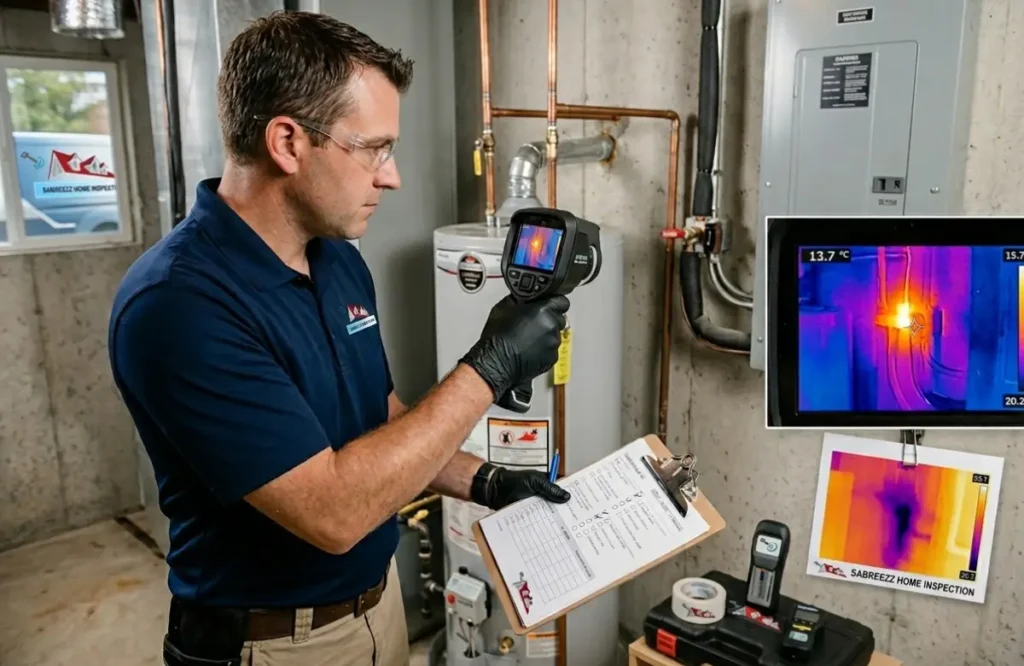
House inspection with thermal imaging involves a special camera that helps in identifying variations in heat in the walls, ceilings, and floors. The technology facilitates the detection of issues that cannot be identified by the naked eye by the inspectors.
It is among the sophisticated tools that are applied in contemporary housing inspections.
Hydraulic water, ineffective insulation, electrical hot spots, and pests can be detected with the use of thermal imaging. To illustrate, a pipe with a leak in a wall will be detected as a colder area in a thermal camera. Electrical issues tend to manifest in the form of hot spots. This device ensures that house inspection is much more precise and thorough.
Thermal imaging is now becoming a common service provided by many certified inspectors. Customers who demand thermal imaging to check the interior of the house are provided with a better view of what is going on at home. It is cost-efficient in the long term in that costly issues can be identified before a purchase is made.
FHA House Inspection: What Buyers Need to Know
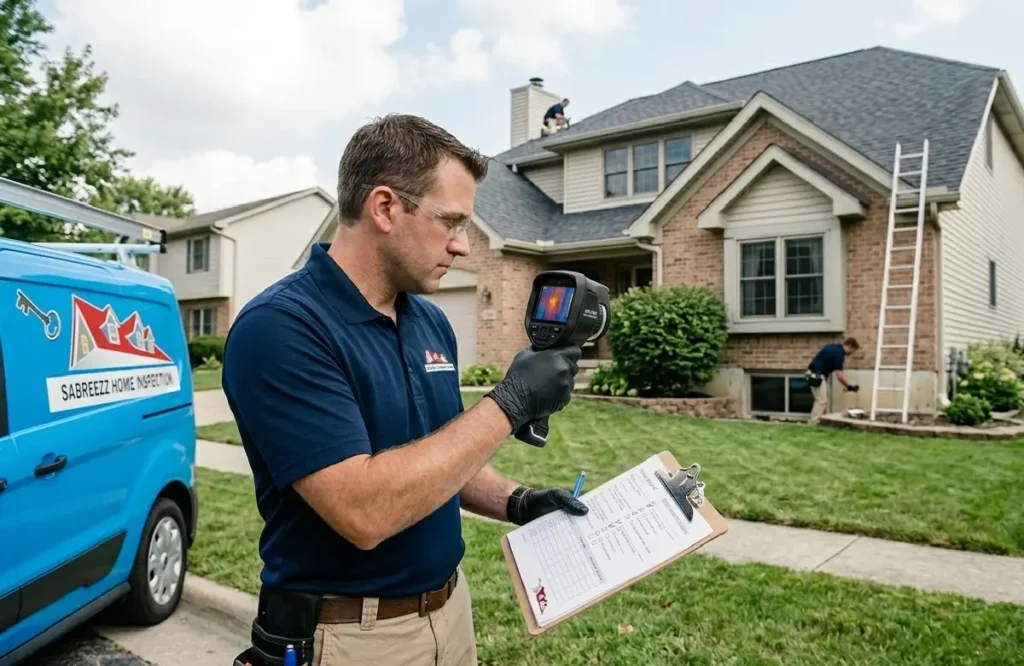
When a buyer obtains a loan from the Federal Housing Administration (FHA), he or she must go through an FHA house inspection. The FHA has high criteria for the homes it funds. The house should be able to comply with these requirements in order to secure the loan. The FHA appraisers consider the value of the home and its fundamental safety and livability.
The appraiser inspects the health and safety hazards during an FHA house inspection. They examine the roof, foundation, electrical, and plumbing systems. The house should be in working condition and should not have sustained any significant destruction. In case the house fails to pass the FHA test, the seller is required to repair the deficiencies until the loan is granted.
It should be mentioned that an FHA appraisal does not refer to a complete house inspection. The customers are advised to employ a licensed home inspector in order to have an overall view of the property. The FHA appraisal merely looks at the minimum requirements of safety, whereas a complete appraisal is much more comprehensive.
Tips for a Successful House Inspection!
Buyers can do several things to make the most of their housing inspections:
- Always hire a certified and experienced inspector.
- Attend the inspection in person to ask questions.
- Request thermal imaging for a more thorough review.
- Read the full inspection report carefully before closing.
- Request the seller to fix the main problems or reduce the cost.
Conclusion
One of the most crucial procedures in the process of buying a house is inspection. It aids the buyers to know the actual state of a property before they invest. Inspectors check the structure and systems, as well as detect mold and thermal imaging, among other significant parts of the home.
An FHA house inspection is an additional cushion for buyers who borrow government-supported loans. Housing inspections help buyers to avoid inconvenient surprises and to make wise choices.
Work With a Trusted Home Inspector in Chicago!
We offer professional and clear-cut property checkups at Sabreezz Home Inspection to enable you to make sure that you make wise decisions that are safe for yourself and your family. Having more than ten years of experience in professional inspection services, we have been offering certified services to homeowners, buyers, and investors in Chicago. Today, contact us and get your house inspection scheduled, and start the process of buying a smarter and safer house.
Frequently Asked Questions:
Q1. What is the duration of a house inspection?
The average time that is used in a house inspection is two to four hours. The time varies according to the size and age of the home. Older or bigger houses can be slow. Customers are supposed to be available throughout the entire inspection.
Q2. What will be the result of a serious finding by the inspector?
In case of a major issue identified in the process of house inspection, the buyer may request the seller to fix it or lower the price. Buyers can also back out of the deal when the problems are severe and too expensive to sort out.
3. Are molds ever present when inspecting a house?
Mold is not necessarily apparent. A mold house inspection would identify the hidden mold with the help of moisture meters and air tests. Mold tends to appear behind walls or underneath floors and is difficult to detect unless one has special equipment.
4. Do all houses include thermal imaging in the inspection?
Not always. Some of the house inspectors also have add-on services like thermal imaging. The buyer ought to inquire of their inspector whether this service is offered. It is also strongly advised, as it uncovers concealed issues that otherwise would be overlooked in the routine inspections.
5. Should I have a different inspection on an FHA loan?
Yes. Only the minimum safety and livability standards are checked by the FHA house inspection. The buyers are also advised to employ their licensed home inspector. For example, you can hire Sabreezz Home Inspection for all your home inspection needs in Chicago!