Radon Testing Cost in Chicago, IL: What $350 Gets You and Why It’s Worth It

If you own a home in Chicago, radon testing costs are probably on your mind. Most people in the Chicago area spend between $300 and $500 on radon testing. But here’s the real question: what exactly are you paying for Understanding radon testing costs in Chicago helps you make smart decisions about your home’s safety. This guide breaks down prices, what inspectors actually do, and whether testing is worth it spoiler alert, it is.
What Does Radon Testing Cost in Chicago?
Radon testing cost in Chicago varies based on several factors. Your home’s size, the type of test, and which inspector you hire all affect the final price. Most homeowners pay around $350 for a standard test. But that number can shift depending on what you need. Let’s look at the real costs you’ll encounter.
Standard Radon Test Price
A basic Radon inspection in Chicago typically costs $300 to $400. This is the most common service homeowners request. The inspector places a device in your home for 2 to 7 days, then collects it and sends samples to a lab. You’ll get a detailed report within a week or two.
This price usually includes the equipment, lab analysis, and a written report. Some inspectors charge extra for rush results. If you need answers in 48 hours, expect to pay $100 to $150 more. Most people don’t need the rush option, so the standard timeline works fine for them.
Long-Term Radon Test Cost
Long-term testing takes 3 to 12 months and costs $200 to $300. This approach gives a better picture of your home’s average radon levels. Short tests can miss seasonal variations. Chicago homes tend to have higher radon in winter months, so a long-term test captures the real story.
Insurance companies and real estate professionals often prefer long-term results. The lower cost makes it attractive if you’re not in a rush. Many Chicago homeowners choose this option when they’re not buying or selling soon.
What You Actually Get for $350
When you pay $350 for radon testing in Chicago, you’re not just paying for a device. You’re getting professional expertise, certified equipment, and actionable results. Understanding what’s included helps you see the real value.
Professional Equipment
Certified radon inspectors use calibrated equipment approved by the EPA. This isn’t something you grab from a hardware store. The devices measure radon levels in picocuries per liter (pCi/L). They’re sensitive, accurate, and track environmental conditions too.
A professional-grade radon detector costs $400 to $800. Inspectors factor this into their fees. They maintain, calibrate, and replace equipment regularly. They also know exactly where to place devices for the most accurate readings. Placement matters more than most people realize.
Detailed Report
Your $350 gets you a comprehensive written report. The report includes exact radon measurements from your home. It explains what the numbers mean in plain English. It tells you whether your levels meet EPA standards (4.0 pCi/L is the action level).
The report also recommends next steps if needed. If levels are high, it suggests mitigation options. If levels are low, it confirms you’re safe. You’ll also get tips on maintaining good radon levels over time. This document becomes part of your home’s health record.
Why Radon Testing Matters in Chicago
Chicago sits in a zone where radon risk is significant. The EPA classifies the Chicago area as Zone 2, meaning elevated potential for radon problems. One in three Chicago homes tests above the EPA action level. That statistic should catch your attention.
Chicago’s Radon Risk Levels
The Chicago area has moderate to high radon potential. Factors like soil composition and underground geology drive these levels. The glacial geology beneath Chicago creates conditions where radon seeps into homes more easily. It’s not a problem everywhere in the city, but it’s common enough that testing is essential.
Your neighborhood matters too. Some Chicago zip codes show higher radon levels than others. Northwest Chicago and parts of the suburbs trend higher. But that doesn’t mean southeast Chicago homes are safe. Only testing tells you what’s actually in your home.
Health Risks You Should Know
Radon is the second leading cause of lung cancer after smoking. It’s invisible, odorless, and accumulates in home basements and lower levels. Long-term exposure to high radon levels increases cancer risk significantly. The EPA estimates radon causes 21,000 deaths annually in the U.S.
Your family’s risk depends on radon levels and time spent at home. Children and long-term residents face higher risk. If your home has high levels, mitigation dramatically reduces danger. Most mitigation systems cost $800 to $2,500, depending on your home’s structure. Compared to health risks, that’s reasonable protection.
How to Choose a Radon Inspector in Chicago
Not all radon inspectors are equal. Certification, experience, and professionalism vary. Finding the right inspector in Chicago ensures accurate testing and honest recommendations.
Certification Matters
Look for inspectors certified by the National Radon Proficiency Program (NRPP) or the American Association of Radon Scientists and Technologists (AARST). Certification means they’ve passed rigorous exams. They understand EPA protocols and follow testing standards strictly.
Illinois doesn’t license radon inspectors, but certification is the next best thing. Ask inspectors for their certification number. Verify it’s current on the NRPP or AARST websites. A certified inspector won’t hesitate to share credentials.
Questions to Ask
Before hiring, ask these questions:
Are you certified and for how long? A lapsed certification is a red flag.
Do you follow EPA testing protocols? This matters for accuracy.
What’s your typical turnaround for results? Most labs return results within a week.
Do you offer mitigation recommendations? Some inspectors only test, which is fine, but mitigation guidance is helpful.
Can you provide references from Chicago clients? Local experience counts in our city’s specific conditions.
Are there any hidden fees? Ask about rush fees, travel charges, and report costs upfront.
These questions separate pros from amateurs quickly.
DIY vs. Professional Testing
Hardware stores sell DIY radon test kits for $15 to $50. They’re cheaper, but are they worth it This depends on what you need.
DIY kits work for initial screening. They give you a ballpark idea of whether radon might be present. They’re not precise enough for EPA decisions though. If a DIY test shows high levels, you’ll need a professional test anyway. Most professionals recommend skipping DIY and going straight to certified testing in Chicago.
Professional testing costs more, but it’s legally recognized. Lenders and insurance companies accept professional results. DIY kits can’t help with those transactions. If you’re selling your Chicago home, buyers will demand professional testing. You might as well do it right the first time.
The peace of mind from professional testing justifies the cost. You know the results are accurate and defensible. No questions. No doubt. Just facts about your home’s safety.
What Happens If Your Home Tests High
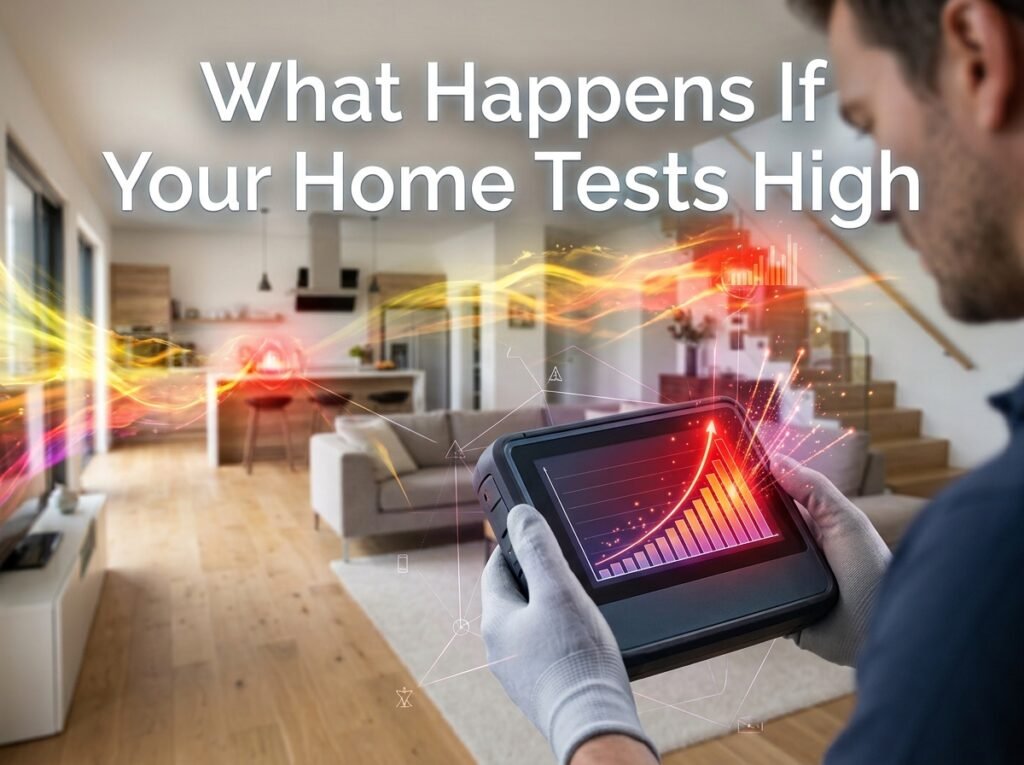
High radon doesn’t mean you need to panic or sell immediately. It means you need mitigation. Chicago radon mitigation typically involves a sub-slab depressurization system. This system vents radon from beneath your home to the roof. It’s effective, proven, and usually affordable.
A qualified mitigation contractor can reduce radon levels by up to 99%. Most systems are quiet and maintenance-free. You might spend $1,000 to $2,500 total. After mitigation, you should test again to confirm the system works. Follow-up testing costs the same as initial testing.
Many Chicago homeowners find mitigation easier than expected. Modern systems are less invasive than older methods. They work quietly in the background. You’ll barely know it’s there, but your family will be safer.
Preparing Your Home for Testing
A few simple steps help ensure accurate radon testing. Close all windows and doors 12 hours before testing begins. Keep them closed during the entire testing period. This simulates how your home actually stays sealed during winter months.
Close interior doors to the room being tested. This concentrates radon where the detector sits. Don’t operate exhaust fans or ventilation systems during testing. These can artificially lower readings. Avoid extreme temperature changes in the testing room too.
If you’re testing before selling, follow these steps carefully. Buyers and lenders want conditions that represent typical living. Your cooperation here protects your test results’ credibility.
The Bottom Line on Radon Testing Cost in Chicago
Spending $350 on radon testing in Chicago is an investment in your family’s health. The cost is reasonable compared to what you’re protecting. Your home’s safety is worth it. Most inspectors complete testing within a week. You get professional equipment, expert analysis, and actionable results.
Don’t let cost concerns stop you from testing. Chicago’s radon risk is real. Your family’s long-term health depends on knowing your home’s radon levels. Testing is the only way to know for certain.
FAQ
How much does radon testing cost in Chicago?
Most radon testing in Chicago costs between $300 and $400. A standard two to seven-day test typically runs $350. Long-term testing over several months costs $200 to $300. Rush results can add $100 to $150. The cost includes professional equipment, lab analysis, and a detailed report. Many Chicago inspectors offer competitive pricing, so getting multiple quotes is smart. Don’t choose based purely on price certification and experience matter more.
Is radon testing really necessary in Chicago?
Yes, radon testing is essential in Chicago. The city sits in EPA Zone 2, indicating moderate to high radon potential. Roughly one in three Chicago homes tests above the EPA action level of 4.0 pCi/L. You can’t see, smell, or taste radon. Testing is the only way to know if your home has a problem. Radon is the second leading cause of lung cancer after smoking. This makes testing a crucial health decision for Chicago homeowners.
Can I do a DIY radon test instead of hiring a professional?
DIY radon kits cost $15 to $50 and work for initial screening. They give you a rough idea of whether radon might be present. However, they’re not precise enough for EPA decisions or real estate transactions. Professional testing produces legally recognized results that lenders and inspectors accept. If you’re buying, selling, or just want definitive answers, hire a certified professional. The $350 cost ensures accuracy and gives you results you can trust completely.
What happens if my Chicago home tests high for radon?
High radon levels mean you need mitigation, not that you should panic. Most Chicago homes can be effectively treated with a sub-slab depressurization system. This system vents radon from beneath your home to the roof, reducing levels by up to 99%. Mitigation typically costs $1,000 to $2,500. After installation, you should test again to confirm the system works. Many Chicago homeowners find mitigation manageable and worth the investment for their family’s safety.
How long does radon testing take in Chicago?
Standard radon testing takes 2 to 7 days. The inspector places a device in your home and collects it after the test period ends. Lab analysis takes another one to two weeks. You’ll typically have results within three weeks of starting the test. Long-term testing takes 3 to 12 months for a more complete picture of your home’s average radon levels. Rush testing can provide results in 48 hours but costs extra.
Should I test for radon before selling my Chicago home?
Yes, testing before selling your Chicago home is smart. Many buyers now request radon testing as part of the inspection process. Getting ahead of this shows confidence in your home’s safety. If levels are high, you can mitigate before sale. If levels are normal, you can market this as a selling point. Transparency about radon builds trust with potential buyers and can actually help your sale.