

Best Home Inspection Services in Chicago, IL: What to Look for in a Licensed Inspector

Buying a house is scary. You’re spending hundreds of thousands of dollars. You need to know what you’re getting. That’s where a home inspection comes in. A professional home inspection in Chicago protects you. It finds problems before you close the deal. Licensed inspectors have the training to spot issues. They know Chicago building codes. They understand what’s normal and what’s dangerous.
Not all inspectors are equal though. Some are thorough. Some miss important stuff. Some rush through jobs. You need to find someone reliable. Someone who knows Chicago homes. Someone who’ll give you a complete report. This guide helps you find the Best home inspection services. We’ll show you exactly what to look for.
What Is a Home Inspection and Why Does It Matter?
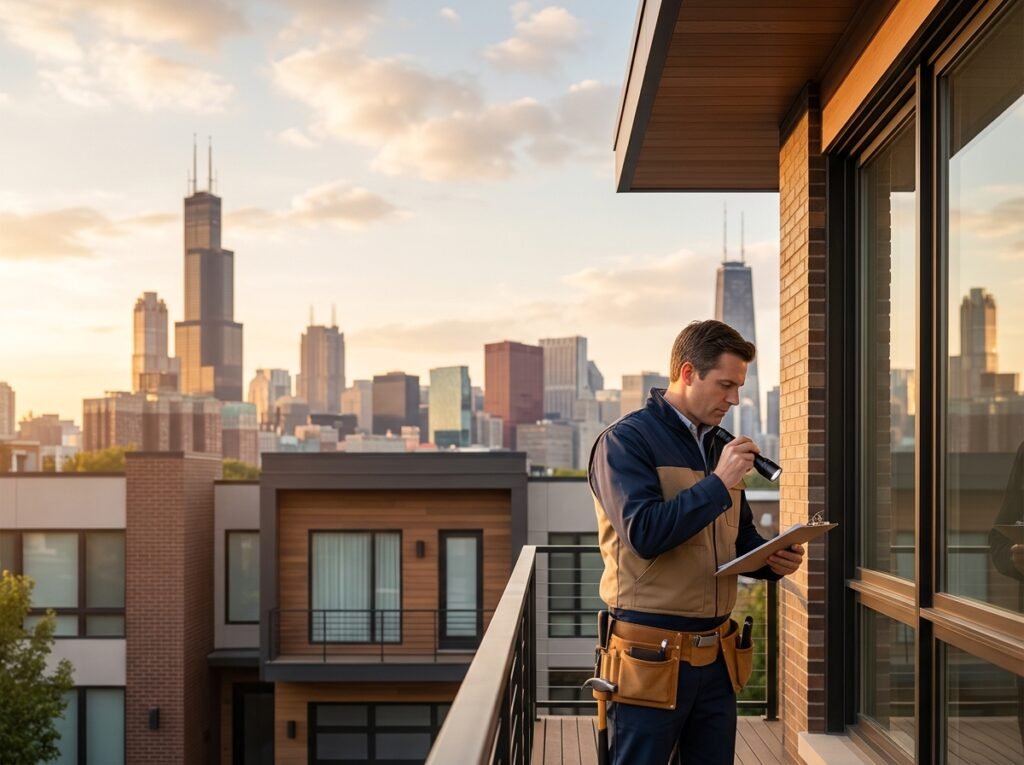
A home inspection is a detailed walkthrough of your house. An inspector checks everything from the roof to the basement. They look at the foundation, walls, windows, and doors. They test the plumbing and electrical systems. They check the heating and cooling. They look for water damage, mold, and pest problems. The inspector doesn’t fix anything. They just report what they find. You get a written report after. This report shows every problem they discovered.
It tells you how serious each problem is. Some issues cost thousands to fix. Some are minor and cheap. The inspection usually takes two to four hours. In Chicago, a professional home inspection is essential. It’s how you protect your investment. It’s how you make an informed decision. Without an inspection, you might buy a house with hidden problems. You might spend tens of thousands on repairs you didn’t expect.
Why You Need a Licensed Home Inspector in Chicago
Illinois requires home inspectors to be licensed. This is important. A licensed inspector has real training and education. They’ve passed exams. They follow strict state rules. They carry liability insurance. If they miss something important, their insurance covers it. You can take legal action if they do poor work. An unlicensed inspector has no responsibility. If they miss a major problem, you have no recourse. You lose money. In Chicago, always verify your inspector’s license.
You can check the Illinois Department of Financial and Professional Regulation website. Enter their name and license number. Make sure they’re current and in good standing. A licensed professional home inspector in Chicago is your protection. It’s not worth saving a few hundred dollars by hiring someone unlicensed. You’re protecting an investment worth hundreds of thousands.
Questions to Ask Before Hiring a Professional Home Inspector
Before you hire anyone, ask questions. First, confirm they’re licensed in Illinois. Ask how many years they’ve been doing inspections. Ask how many inspections they do each month. A busy inspector is usually a good inspector. Ask what they charge and what’s included. Some charge per square foot. Others charge flat fees. Ask if they offer extra testing like radon or mold. Ask how soon they can come. Ask how long the inspection takes.
Ask if they give a written report. Ask if you can follow along during the inspection. Ask about their training and certifications. Ask if they check crawl spaces and attics. Ask if they test water quality. Ask what their process is. Ask for references from recent clients. Good inspectors are happy to provide them. Ask if they use moisture meters or thermal imaging. These tools find hidden problems.
What Does a Thorough Home Inspection Cover?
A complete inspection covers a lot of ground. The inspector checks the roof condition and age. They look at siding, trim, and exterior damage. They check all the windows and doors. They inspect the foundation carefully for cracks. They look at the basement for water problems. They check all plumbing fixtures and drains. They test the main sewer line if accessible. They inspect the electrical panel and wiring. They check the furnace and air conditioner.
They look at the water heater. They check insulation and ventilation. They look for signs of pests or termites. They check the kitchen and bathrooms carefully. They look at appliances that stay with the house. They check the garage and storage areas. They look at the deck or patio. They check drainage around the house. They take photos and document everything. A thorough professional home inspection in Chicago includes all these areas. Don’t accept less.
Common Problems Found in Chicago Home Inspections
Chicago homes often have certain problems. Old homes might have outdated electrical systems. Many Chicago homes have plumbing issues from age. Foundation problems are common in older houses. Roof damage shows up frequently. Water damage and basement leaks happen often. Mold can develop in damp basements. Lead paint is present in homes built before 1978. Asbestos might be in old insulation. Poor ventilation causes moisture problems.
Outdated HVAC systems don’t work efficiently. Radon is a concern in Chicago. Old windows don’t seal properly. Damaged gutters cause water problems. Cracked foundations need attention. These are normal wear and tear issues. Some are serious. Some are minor. Your inspector will report on all of them. Knowing what to expect helps you understand the report. It helps you plan for repairs and costs.
How Much Does a Home Inspection Cost in Chicago
Most home inspections in Chicago cost between $300 and $700. Bigger homes cost more than smaller ones. The price usually depends on square footage. Some inspectors charge $2.50 to $4 per square foot. Others charge one flat fee. A 2,000 square foot house might cost $400 to $600. A 3,000 square foot house might cost $600 to $900. Extra testing costs more. Radon testing adds $150 to $300. Mold inspection adds $200 to $400.
Lead paint testing adds $100 to $200. Water quality testing adds $100 to $300. Termite inspection adds $75 to $150. The price is worth it. A good inspection might save you thousands. It prevents surprises after you close. Shop around for quotes. Get at least three estimates. Don’t pick the cheapest option. Pick someone experienced and thorough. Quality costs more but it’s worth it.
Red Flags: Home Inspectors to Avoid in Chicago
Watch out for certain warning signs. Run away from inspectors who charge way too little. They’re cutting corners. Avoid inspectors with poor online reviews. Check Google, Yelp, and Better Business Bureau. Avoid inspectors who won’t provide references. Good inspectors have happy clients who’ll vouch for them. Avoid inspectors who do repairs or contracting work. They have conflicts of interest. They might recommend unnecessary repairs. Avoid inspectors who rush through inspections.
A real inspection takes time. A two-hour inspection for a big house is too fast. Avoid inspectors who aren’t licensed. Always verify their Illinois license number. Avoid inspectors who give only verbal reports. You need everything in writing. Avoid inspectors who can’t explain their findings. They should answer your questions clearly. Avoid inspectors who pressure you to hire contractors. That’s a huge red flag home inspection. Trust your gut. If something feels off, keep looking.
How to Prepare for Your Home Inspection Day
Get ready before the inspector arrives. Make sure all doors and gates are unlocked. They need to access everything. Make sure utilities are turned on. Turn on lights so they can see clearly. Clear clutter from floors and closets. The inspector needs to walk around freely. Fix obvious issues like broken stairs or missing handrails. Actually, don’t fix them. Let the inspector see the real condition. Make a list of questions before they arrive. Ask about areas that concern you. Ask about specific systems or repairs.
Arrange to be there during the entire inspection. You’ll learn a lot watching them work. They’ll explain what they find. You can ask questions in real time. Take notes on anything important. Ask if additional testing would help. Ask for contact information so you can follow up. Don’t interrupt their work or point out problems. Let them do their job professionally. Being present is about learning, not managing.
Understanding Your Home Inspection Report
The report you receive is crucial. It should be detailed and well-organized. Good reports have clear sections for each area. Sections cover the roof, foundation, plumbing, electrical, HVAC, and more. Reports should include photos of problems. Photos show exactly what they found. Reports should explain findings in plain language. You shouldn’t need a contractor to understand it. Reports use ratings or color coding. Green usually means good. Yellow means it needs attention soon. Red means major problems. Major problems cost thousands to fix.
Minor issues might cost hundreds. The report should clearly separate major and minor issues. Ask the inspector to explain anything confusing. Don’t sign off until you understand everything. Keep the report with your home documents. You’ll refer back to it during negotiations. You’ll use it for planning repairs. The report is your protection in negotiations with the seller.
Negotiating With the Seller After the Inspection
Once you have the report, it’s negotiation time. You can ask the seller to fix major problems. You can ask for money off the purchase price. You can ask for contractor estimates. The seller doesn’t have to agree to anything. They might refuse to negotiate. They might offer to fix some issues. You need to decide what matters most. Small repairs might not be worth negotiating. You can handle those yourself. Big repairs need attention. A new roof can cost $10,000 to $20,000. Foundation repair can cost even more.
Water damage cleanup is expensive. For serious issues, you have leverage. The seller wants to close the deal. They might negotiate to make it happen. Be reasonable in your requests. Don’t ask the seller to fix everything. Pick the most important issues. Get contractor estimates to support your case. Show the seller what repairs actually cost. That strengthens your position. Some sellers will negotiate. Some won’t. Know your limits. Know when to walk away.
What to Do After You Buy Your Chicago Home
The inspection is just the beginning. After closing, address major issues quickly. Don’t ignore problems from the report. They’ll get worse over time. Water problems need immediate attention. They lead to mold and rot. Foundation issues need professional assessment. Electrical problems need a licensed electrician. Plumbing problems need a licensed plumber. Get contractor estimates for major repairs. Set aside money for these repairs. Don’t put them off indefinitely. Small repairs can wait a few months. Major repairs should be handled soon.
Keep all inspection and contractor reports. You’ll need them if you sell them later. They show you maintained the property. They prove you addressed known issues. Take photos of completed repairs. Document everything you’ve done. This protects your investment long-term. Schedule regular maintenance going forward. This prevents future problems. Have your home professionally inspected again if you plan to sell. It shows buyers you care about the home.
FAQS
1. What’s the difference between a home inspection and an appraisal?
An inspector checks condition and finds problems. An appraiser determines the house’s market value for the bank.
2. How soon after making an offer should I schedule an inspection?
Schedule within 24 hours of offer acceptance. Most contracts give 5-7 days; you need time to review results.
3. Can I be present during my home inspection in Chicago?
Yes, absolutely. You should be there to learn about your home and ask questions as the inspector works.
4. What problems are serious enough to walk away from a deal?
Major foundation damage, extensive mold, severe roof issues, or serious electrical problems are typically deal-breakers.
5. How often should homeowners get inspections?
Get one before buying. Annual inspections catch problems early. Before selling, get one to set realistic expectations.
6. Are additional inspections like radon testing necessary?
Radon testing is recommended in Chicago. Mold and lead paint testing depend on the home’s age and condition.
7. What should I do if the inspector finds major problems?
Request seller repairs, ask for money off, get contractor estimates, or negotiate. Know when to walk away.
8. How long does a typical home inspection take in Chicago?
Most inspections take 2-4 hours depending on house size. Bigger homes take longer than smaller ones.
9. Can an inspector be present when I show the house to others?
No, the inspector works alone during the scheduled inspection. They need to focus on the evaluation without distractions.
10. What’s included in a home inspection report?
The report covers roof, foundation, plumbing, electrical, HVAC, water damage, pests, and appliances with photos and ratings