What is the biggest red flag in a home inspection?
Buying a house feels like a wild ride. You find a property with the perfect kitchen and a beautiful backyard. Then you start to worry about hidden issues that might cost a fortune later. A professional property assessment helps you see past fresh paint and staging. It protects your hard-earned money from bad investments.
Most houses have minor issues like leaky faucets or loose door handles. These small problems are easy to fix and should not scare you away. However, some warning signs mean huge trouble is waiting down the road. Knowing these major problems keeps you from making a massive financial mistake. Let us look at what truly matters during your real estate inspection.
Water The Absolute Biggest Danger Spot
Water damage is the most dangerous issue you can find during a home buyer’s inspection. Water looks harmless, but it destroys wood, ruins drywall, and rots structural framing. It can secretly ruin a house from the inside out over many years. Fixing deep water damage requires tearing down walls and spending thousands of dollars.
Toxic Mold Growth
Leaky pipes and roof leaks create the perfect wet home for toxic mold. Mold spoils the air quality and causes serious breathing problems for your family. Getting rid of mold means hiring expensive teams to clean the entire living space. A proper mold inspection finds these hidden health hazards behind the bathroom walls.
Foundation Failure
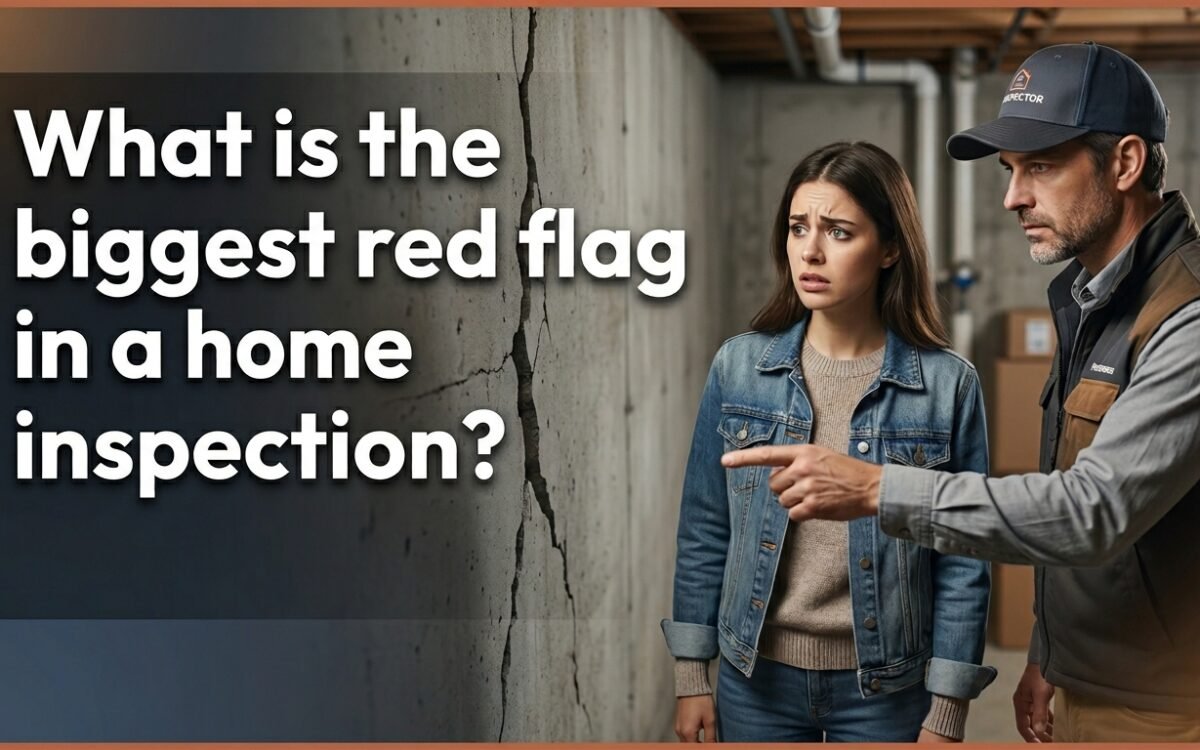
Water pooling around the exterior walls ruins the concrete base of the house. Wet soil shifts constantly, which forces the foundation to crack, sink, and tilt. A faulty foundation causes sagging floors, crooked doors, and cracked drywall upstairs. Fixing a broken foundation requires major construction work and specialized heavy equipment.
Electrical Systems That Risk Your Safety
Old or poorly wired electrical systems pose a major fire threat to homeowners. Many older properties still use dangerous knob-and-tube setups or outdated electrical panels. These old systems cannot handle modern appliances like microwaves, large televisions, or electric vehicle chargers. Overloaded wires heat up quickly inside walls and start unexpected fires.
A certified home inspector checks the service panel for dangerous brand names and unsafe modifications. Amateur DIY wiring jobs in the attic or basement are common warning signs. Replacing an entire electrical system means opening up walls to run new wires. This safety upgrade is a massive job that requires a licensed master electrician.
Roof and Exterior Structural Hazards
A roof is the first line of defense against harsh winter snow and heavy summer rain. Shingles that curl, break, or go missing entirely mean the roof is failing. A failing roof allows water to drip directly onto your attic insulation and ceiling boards. Replacing an entire roof is one of the most expensive projects for any new homeowner.
Inspection Insight: Look closely at the roofline from the street. A sagging roof ridge suggests broken rafter boards or serious structural issues underneath.
Bad exterior grading also forces rainwater to flow straight toward the basement walls. The ground around the house must always slope down and away from the building structure. Clogged gutters and short downspouts drop heavy water right next to your foundation walls. Correcting poor yard drainage often requires extensive digging and new landscape pipe installations.
Hidden Plumbing Disasters Under the Floors
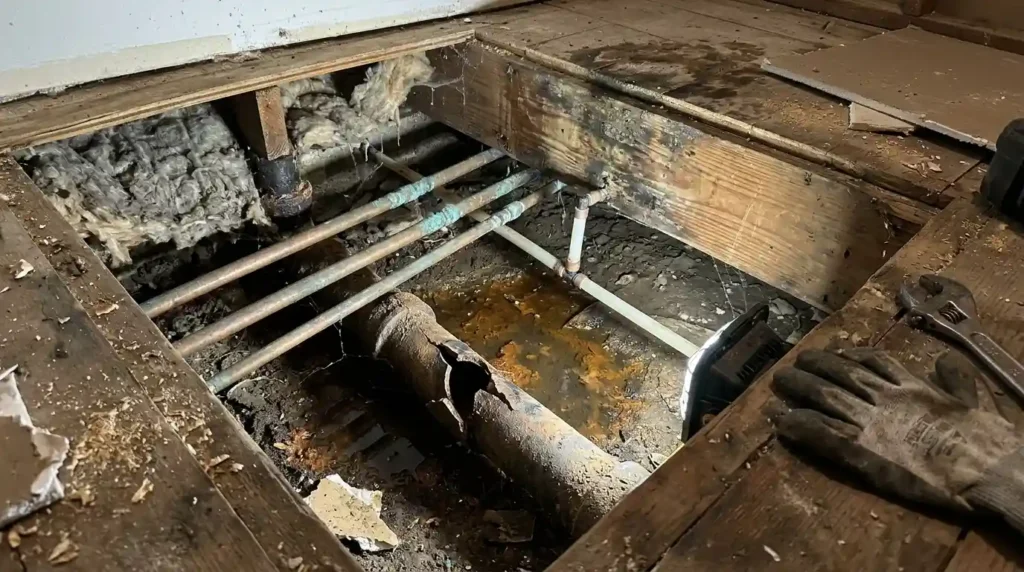
Old sewer pipes made of clay or cast iron break down over several decades. Tree roots grow into small pipe joints, blocking the wastewater from leaving the house. This blockage causes raw sewage to back up into your basement drains and showers. Fixing underground plumbing lines requires digging up your beautiful yard or driveway.
A professional sewer scope inspection uses a small video camera to view the main pipe interior. This specialized test uncovers hidden cracks, deep sags, and collapsed pipe sections before you purchase. Replacing old sewer lines is a dirty, expensive job that ruins your outdoor landscaping. Finding these plumbing issues early gives you massive leverage during price negotiations.
Environmental Risks in Older Properties
Houses built before 1978 often contain dangerous building materials like toxic asbestos insulation. Asbestos fibers harm your lungs permanently if they become loose in the air during renovations. Removing this material safely requires specialized protective gear and expensive disposal methods. An expert asbestos inspection helps you identify these dangerous materials before you start remodeling.
Radon gas is another invisible hazard that seeps into basements through small floor cracks. This colorless, odorless gas is a leading cause of lung cancer for non-smokers. A residential inspection with a radon test measures the gas levels inside the living areas. Installing a radon mitigation system keeps your indoor air clean and perfectly safe.
How to Deal with Red Flags
Finding a massive problem during an inspection does not mean you must walk away. You can use the official report to ask the seller for major repairs. Alternatively, you can ask the seller to drop the home price significantly. This price cut gives you the necessary cash to hire your own trusted contractors.
Inspection issues in a property can vary in severity and long-term impact. Foundation cracks are considered very high severity and may lead to serious structural problems, including potential structural collapse if not addressed. Outdated electrical systems also pose a high risk, significantly increasing the chance of house fires due to overloaded or unsafe wiring. Active mold growth is typically a medium severity issue,
But it can still cause severe health problems, especially for individuals with allergies or respiratory conditions. Old roofing is another high-risk concern, as it can allow water leakage that may result in interior water damage and further deterioration of the building over time.
Some sellers refuse to fix big structural errors or lower their high asking price. If the repair costs match your budget, you might still purchase the property. However, walking away is the smartest move if the fixes are overwhelming. Your inspection report gives you the legal power to cancel the contract safely.
Why Quality Inspections Matter
A cheap, rushed inspection can easily miss these expensive hidden building defects. You need an Inter NACHI certified inspector who examines every corner of the property carefully. A complete assessment looks at the structure, roof, electrical panels, and hidden plumbing lines. This detailed report gives you total confidence during your home buying journey.
Investing in specialized tests like thermal imaging reveals hidden moisture behind smooth drywall. Buying a house is likely the largest financial investment of your entire life. Do not guess about the true condition of the structure and mechanical systems. Let an expert inspector check the property so you can sleep easily at night.
Ready to protect your investment and gain peace of mind? Contact Sabreezz Home Inspection today for a thorough, reliable evaluation of your future home.
FAQS
Can a house fail a professional home inspection?
Houses do not pass or fail an official inspection. The final report simply describes the physical condition of the property and lists needed repairs.
Should I attend the home inspection in person?
Yes, walking through the property with your inspector helps you understand the issues clearly. You can ask questions about maintenance tips and safety hazards.
How long does a standard residential inspection take?
A thorough inspection usually takes between two and four hours to complete. The total time depends on the size and age of the property.
What happens if the inspector finds active mold?
You can ask the property seller to pay for professional mold removal. A follow-up mold test confirms the air is clean before you move in.
Are foundation cracks always a reason to walk away?
Small hairline cracks are common as concrete settles over time. Large, widening cracks mean structural movement and require an expert structural assessment.