

Chicago Termite Season: When to Schedule Your WDO Inspection for Maximum Protection
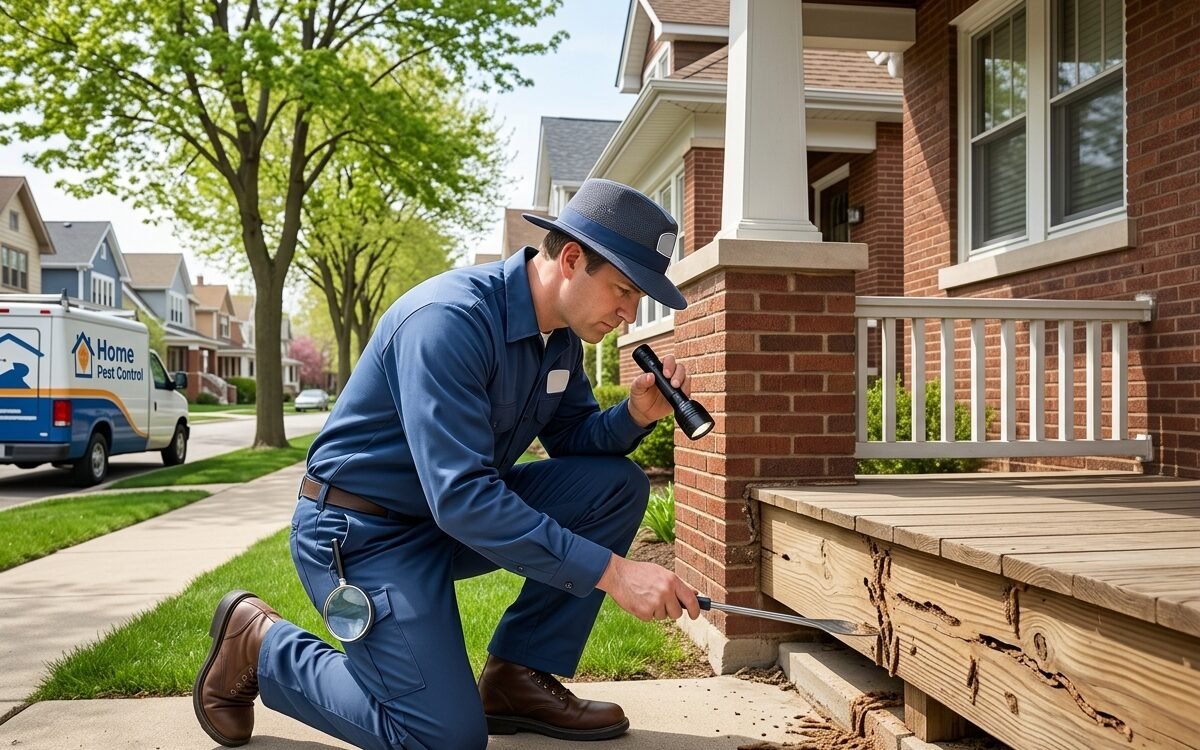
Chicago termite season usually begins during the warmer months when rising temperatures and moisture create better conditions for termite activity. Understanding Professional termite season in Chicago helps homeowners know when to check for damage and schedule a professional WDO inspection. Termites can stay hidden inside walls, floors, and wooden structures for months before visible signs appear. A timely inspection can help identify problems early and protect your property from expensive repairs.
When Does Termite Season Start in Chicago?
Termite season in Chicago typically starts in spring when temperatures rise and soil conditions become more favorable for termite colonies. During this time, termites become more active and begin searching for new food sources. Spring and early summer are usually the busiest periods for termite activity because colonies produce winged termites that leave to create new colonies. Knowing the signs of termite damage in Chicago homes can help homeowners identify an infestation early and take action before costly structural damage occurs.
Chicago’s changing weather plays an important role in termite behavior. After the cold winter months, warmer days and increased moisture help termites become active again. Homes with wooden structures, moisture issues, or soil contact around foundations may face a higher risk.
Seasonal termites do not appear suddenly. They often continue working quietly before homeowners notice damage. This is why knowing the local termite cycle is important. Waiting until you see visible damage may mean the colony has already caused significant harm.
A professional WDO inspection during termite season can help detect early warning signs. Inspectors look for termite activity, wood damage, moisture problems, and conditions that attract termites. Early detection gives homeowners more treatment options and can reduce repair costs.
What Happens During Chicago Termite Season?
Chicago termite season brings increased Subterranean termite activity in Chicago homes, as these are the most common termite species found in the area. These termites live underground and create mud tubes to travel between their colonies and food sources. They often target wooden parts of homes, including support beams, crawl spaces, and foundation areas, making early detection essential to prevent costly structural damage.
During spring, termite colonies may send out swarmers. These winged termites leave their original colony to reproduce and establish new colonies. A termite swarm Chicago homeowners notice near windows, doors, or outdoor areas can be a warning sign of nearby termite activity.
Many homeowners mistake termite swarmers for flying ants. However, termites have straight antennae, equal-sized wings, and a thicker body shape. Flying ants have bent antennae and different wing sizes. Knowing the difference can help you take action quickly.
The warm and humid conditions of late spring and summer create ideal conditions for termites. However, termite activity does not completely stop during colder months. Colonies can remain active inside heated buildings and protected areas.
This makes year-round awareness important. Scheduling inspections before peak activity allows professionals to identify risks before termites spread further.
When Is the Best Time to Get a Termite Inspection in Chicago?
The best time to get a termite inspection in Chicago is early spring before termite swarm season reaches its peak. A spring inspection allows homeowners to identify existing problems and prepare their properties before termites become more active.
Many people wait until they notice termites flying around their home. However, swarmers are often a sign that a mature colony already exists nearby. By scheduling a WDO inspection before this happens, homeowners can find hidden issues earlier.
A professional inspection is also helpful when buying or selling a property. A WDO inspection checks for wood-destroying organisms, including termites and other pests that can damage wooden structures. Many real estate transactions require this type of inspection to confirm the condition of the property.
Homeowners should also consider inspections after major weather changes. Heavy rain, flooding, or plumbing leaks can increase moisture levels around a home. Moist wood attracts termites and creates conditions where colonies can grow.
Regular inspections are especially valuable for older homes in Chicago neighborhoods. Aging structures may have hidden moisture problems or damaged wood that increases termite risk.
Why Is Spring the Best Time for a WDO Inspection?
Spring is the ideal time for a WDO inspection because termite activity increases as temperatures rise. Inspectors can identify signs of new activity before termites cause widespread structural damage.
A spring inspection also helps homeowners prepare before the busiest part of termite swarm season. When termites leave colonies to reproduce, they become easier to notice. However, by that point, the colony may already be established.
During a WDO inspection, professionals examine areas where termites commonly hide. This includes basements, crawl spaces, foundations, wooden structures, and areas with moisture problems.
Early inspections provide several benefits. They help detect hidden termite damage, identify risk factors, and recommend prevention steps. This proactive approach can save homeowners thousands of dollars in future repairs.
Chicago homeowners should not rely only on visible signs. Termites often damage wood from the inside, leaving surfaces that look normal. Regular inspections provide a clearer picture of your home’s condition.
How Can You Identify a Termite Swarm in Chicago?
A Termite swarm signs homeowners should know usually appears during spring and early summer when winged termites leave colonies to reproduce. Homeowners may notice groups of small flying insects around windows, doors, lights, or outdoor areas.
Termite swarmers are usually attracted to light. You may find discarded wings near windowsills or entry points. These wings are often one of the first visible signs of termite activity.
Other signs of termites include:
- Hollow-sounding wood
- Cracked or bubbling paint
- Mud tubes near foundations
- Damaged wooden structures
- Small piles of termite droppings
Seeing one or two swarmers does not always mean your home has an active infestation. However, it should not be ignored. Swarmers usually indicate that a colony is nearby.
If you notice a termite swarm, avoid disturbing the insects. Try to save a sample or take clear photos for identification. Contacting a pest professional quickly can help determine whether treatment is needed.

How Do Seasonal Termites Affect Chicago Homes?
Seasonal termites can create serious problems for Chicago homeowners because they slowly weaken wooden structures over time. Unlike pests that create immediate damage, termites often remain hidden while feeding on wood.
Homes with untreated wooden areas, moisture problems, and foundation cracks are more likely to experience termite issues. Termites enter through tiny openings and can spread throughout walls, floors, and support structures.
The cost of termite damage depends on how long the infestation has been active. Small problems may require limited treatment, while advanced infestations can require major repairs.
Preventive inspections are one of the best ways to reduce risk. A professional can identify conditions that attract termites and recommend steps to protect your home.
Simple prevention methods include fixing leaks, improving drainage, removing wood debris near the foundation, and maintaining proper ventilation.
What Should Chicago Homeowners Do Before Termite Season?
Preparing before termite season helps reduce the chances of an infestation. Homeowners should inspect areas around their property and remove conditions that attract termites.
Start by checking for moisture problems. Repair leaking pipes, clogged gutters, and drainage issues around the foundation. Moist soil and wet wood create ideal environments for termites.
Keep firewood, mulch, and wooden materials away from the home’s exterior walls. These materials can provide termites with easy access to your property.
It is also important to check for cracks around foundations and entry points. Small openings can allow termites to enter your home.
Scheduling a professional WDO inspection before spring activity increases is another smart step. An expert inspection can identify hidden risks that are difficult to notice without experience.
FAQs
When is termite season in Chicago?
Termite season in Chicago usually begins in spring and continues through summer. Warmer temperatures and increased moisture encourage termite activity. Spring is the most common time to see termite swarmers because colonies send out winged termites to create new colonies.
When should I schedule a termite inspection in Chicago?
The best time to schedule a termite inspection in Chicago is early spring before peak termite activity begins. A professional WDO inspection can identify hidden termite problems and help prevent serious damage before swarm season starts.
What does a termite swarm in Chicago mean?
A termite swarm in Chicago usually means a mature colony is nearby. Winged termites leave established colonies to reproduce and form new colonies. Seeing swarmers near your home should be a reason to schedule an inspection.
Are termites active during winter in Chicago?
Termites become less active outdoors during Chicago winters, but they may continue feeding inside heated homes. Protected areas such as basements and crawl spaces can allow termite colonies to remain active throughout colder months.
How often should I get a WDO inspection?
Most homeowners should consider an annual WDO inspection, especially if they live in older homes or areas with higher termite risk. Regular inspections help identify problems early and reduce potential repair costs.