

Asbestos Inspection in Chicago, IL: What Every Buyer of a Pre 1980 Home Must Know
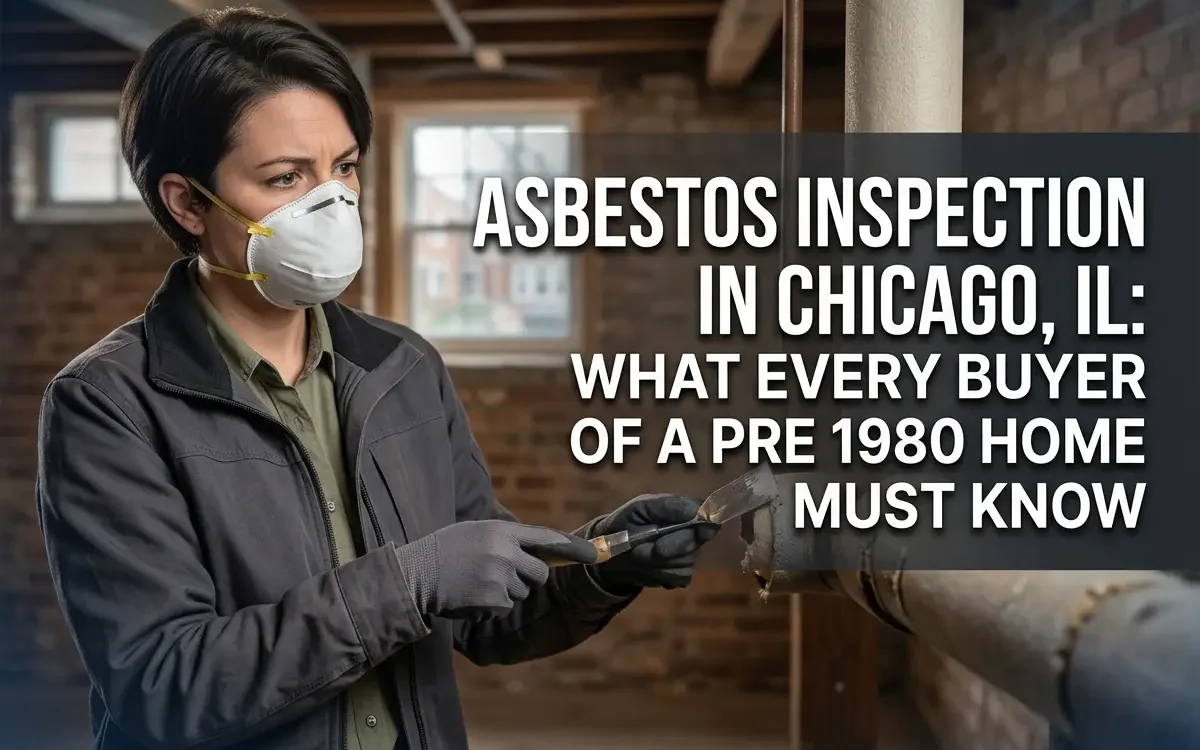
An asbestos inspection in Chicago, IL helps buyers understand hidden risks in older homes. Many pre-1980 properties contain materials that may include asbestos. These materials aren’t always dangerous when sealed and left alone. The risk grows when damaged materials release fibers during repairs or remodeling. A proper professional home inspection services in Chicago can protect your family, budget, and renovation plan.
Why Do Pre-1980 Chicago Homes Need Asbestos Inspection?
Pre-1980 Chicago homes deserve extra care because many older building products used asbestos. It added strength, heat resistance, and fire protection. You may find it in flooring, insulation, plaster, roofing, and pipe coverings. Still, a home’s age doesn’t prove asbestos is present.
Federal workplace rules treat certain older materials as presumed asbestos-containing material. For example, asphalt and vinyl flooring installed no later than 1980 may require that treatment unless testing proves otherwise. This rule explains why older flooring often gets close attention during renovation planning. homes often have layers from earlier repairs. New flooring may cover old tile or black adhesive. Fresh drywall may hide pipe insulation. Testing should focus on areas planned for repair.
Where Is Asbestos Commonly Found in Chicago Homes?
Asbestos may appear in several parts of an older Chicago house. Common locations include basements, boiler rooms, kitchens, bathrooms, attics, and enclosed porches. Inspectors also check areas with old heating systems or repeated remodeling. However, no material can be confirmed by sight alone.
Possible asbestos-containing materials include:
Materials that may require asbestos testing can be found in many parts of a building, particularly in older properties. Flooring materials such as vinyl tiles, asphalt tiles, sheet flooring, and black mastic may contain asbestos. Walls and ceilings can also include asbestos in plaster, joint compound, textured coatings, and ceiling tiles. Heating systems may contain asbestos in boiler insulation, pipe wrap, furnace cement, and duct insulation.
Exterior building materials, including roofing felt, shingles, siding, and cement panels, are also common locations. In attics, vermiculite insulation and older heat-resistant products should be evaluated, while utility spaces may contain asbestos in gaskets, fireproof panels, and patching compounds. Testing these materials before renovation or demolition helps identify potential asbestos hazards and ensures safe handling.
The Agency for Toxic Substances and Disease Registry lists insulation, roofing, wallboard, plaster, cement, and floor tiles among products linked with asbestos use. It also notes that older homes and buildings can still contain these materials. Should You Book an Asbestos Inspection in Chicago, IL?
Book an asbestos inspection before buying when suspect materials look damaged. You should also test before planned work could disturb older materials. This includes drilling, sanding, cutting, scraping, demolition, or flooring removal. Early testing gives you time to review costs before closing.
An asbestos inspection for home purchase is especially useful when:
- The home was built before 1980.
- Old pipe wrap or boiler insulation is visible.
- Floor tiles are cracked or partly removed.
- Ceiling texture is damaged or stained.
- A basement renovation is planned.
- The seller has no testing or abatement records.
- Contractors will open walls, ceilings, or floors.
The EPA says undamaged material may be safer when left alone. Testing becomes more important when material is damaged or will be disturbed. The agency also warns that poor sampling may release fibers. For that reason, homeowners shouldn’t collect samples themselves. Does an Asbestos Inspection in Chicago, IL Include?
A proper asbestos inspection starts with the home’s age and repair history. The inspector reviews visible materials and planned work areas. They note each suspect material, its condition, and its location. Samples may then go to a qualified laboratory for analysis.
How Does the Inspector Review the Home?
The inspector first completes a careful visual survey. They may check basements, attics, utility rooms, flooring edges, and heating lines. They also ask where the buyer plans to remodel. This helps create a focused sampling plan.
A good report should describe the material’s location and condition. It should also explain whether the material is damaged or likely disturbed. The EPA recommends a complete visual exam and careful laboratory analysis of samples. It also advises buyers to request a written evaluation. Does Asbestos Testing in Chicago Work?
Asbestos testing uses small samples taken from suspect building materials. The sample location should be controlled and sealed after collection. A laboratory then checks whether asbestos fibers are present. The report should match each result to a clear sample location.
Testing isn’t the same as a standard home inspection. A general home inspector may flag suspect materials. They usually can’t confirm asbestos without proper sampling and lab work. The EPA states that materials can’t be identified as asbestos simply by looking at them. hould Buyers Choose a Certified Asbestos Inspector in Chicago?
Choose an inspector with training, clear documents, and local experience. Ask who takes samples and which laboratory handles them. Request proof of any license or accreditation they claim. You should also ask for a sample report before hiring.
The Illinois Department of Public Health lists licensed asbestos professionals and contractors. Its guidance says inspectors identify suspect materials through sampling. Buyers can use the state directory to check professional details. eep inspection and removal work separate. The EPA recommends avoiding conflicts between the assessor and abatement company. One firm can identify the problem. A different licensed contractor can price and complete the work. e questions before booking:
- Will I receive a written scope before sampling?
- How many samples are included?
- Is laboratory analysis included in the quote?
- Will each sample location appear in the report?
- Can you explain repair, enclosure, and removal options?
- Do you carry insurance for asbestos inspection work?

What Should Buyers Do After Receiving Test Results?
Test results help buyers decide whether to proceed, negotiate, or change plans. A positive result doesn’t always mean the home is unsafe. Material in good condition may stay in place. The main issue is whether it will be damaged or disturbed.
When Can Asbestos Stay in Place?
Asbestos may stay when the material remains sealed and stable. The area should not face drilling, sanding, cutting, or frequent contact. Owners should watch it for new cracks, water damage, or wear. A professional can explain whether enclosure or sealing fits the situation.
The EPA says asbestos-containing material in good condition usually doesn’t release fibers. It often advises leaving stable material alone. Repair methods may include sealing or covering the material. Is Removal the Better Choice?
Removal may be needed when renovation will disturb the material. It may also make sense when damage is broad or hard to contain. This work should follow a written plan with proper containment and cleanup. Buyers should never treat removal as a simple demolition job.
Improper removal can increase exposure inside the home. The EPA advises trained professionals for major repair or removal. OSHA rules also require controls for workers performing asbestos construction tasks. These may include regulated areas, wet methods, and HEPA cleanup. s Asbestos Inspection Before Remodeling So Important?
An asbestos inspection before remodeling prevents surprise delays and unsafe dust. Testing should happen before workers open suspect surfaces. It also helps contractors prepare the right work scope. This protects workers, residents, pets, and nearby rooms.
Do not drill old floor tile, sand black mastic, or tear pipe wrap. Avoid sweeping or using a normal household vacuum on suspect debris. The EPA warns against sanding, sawing, scraping, drilling, or vacuuming possible asbestos material. work must also follow local, state, and federal asbestos rules. City permit guidance says a separate asbestos project notification may be required before work involving asbestos. Confirm current filing needs with the Chicago Department of Public Health and your contractor. an Asbestos Findings Affect a Home Purchase?
Asbestos findings can affect price, timing, and renovation choices. Buyers can request estimates before making a final decision. They may also change the planned work to avoid disturbing stable material. The right answer depends on the contract and the home’s condition.
Start by reviewing the lab report with the inspector. Next, get a separate abatement quote. Discuss contract choices with your agent and attorney. Keep all reports for future owners and contractors.
Don’t assume a positive sample means you must cancel. Many Chicago homes contain older materials that can be managed. Focus on condition, location, and future disturbance. A clear report turns a hidden concern into a planned cost.
FAQs
Chicago buyers often have the same asbestos concerns. These answers cover testing, timing, safety, and removal. Use them to plan your next step.
Is Asbestos Common in Homes Built Before 1980?
Asbestos can be present in many homes built before 1980. It may appear in flooring, insulation, plaster, roofing, and heating materials. Still, age alone can’t confirm it. Some older homes have no asbestos in tested areas, while later products may still contain it. A trained inspector and qualified laboratory provide the clearest answer before purchase or remodeling.
Can a Regular Home Inspector Test for Asbestos?
A regular home inspector may identify materials that look suspicious. However, visual review can’t confirm asbestos. Proper testing requires careful sampling and laboratory analysis. Ask whether your home inspector has separate asbestos training and insurance. When they don’t, hire a trained asbestos inspector in Chicago for the needed samples and written report.
Should I Test Undamaged Asbestos Materials?
Testing may not be needed when material is stable and won’t be disturbed. The EPA often advises leaving undamaged suspect material alone. Sampling creates a small disturbance, so it needs careful handling. Testing makes more sense before remodeling or when damage is visible. An inspector can help decide whether testing adds useful information.
How Long Does Asbestos Testing Take Before Closing?
Timing depends on inspector availability, sample count, and laboratory service. Standard results may take several business days. Rush service may be available for a higher fee. Schedule testing early during your inspection period. This gives you time to read results, request abatement estimates, and discuss purchase options before important contract deadlines.
Can I Remove Asbestos Myself in a Chicago Home?
DIY removal can spread fibers through dust, tools, clothing, and heating systems. It can also create disposal and legal problems. Chicago may require project notification for certain asbestos work. Hire a trained contractor who understands local rules and proper containment. Before work starts, request a written plan covering removal, cleanup, disposal, and final checks.
Does Asbestos Automatically Make a Chicago Home Unsafe?
No. Asbestos-containing material isn’t always an immediate danger. Stable material that remains sealed and undisturbed may release few fibers. Risk rises when it becomes damaged, cut, sanded, drilled, or removed poorly. A clear inspection report should explain the material’s condition and location. That information helps you choose monitoring, enclosure, repair, or professional removal.