

Mold in Chicago Basements: What Every Homeowner and Buyer Needs to Know
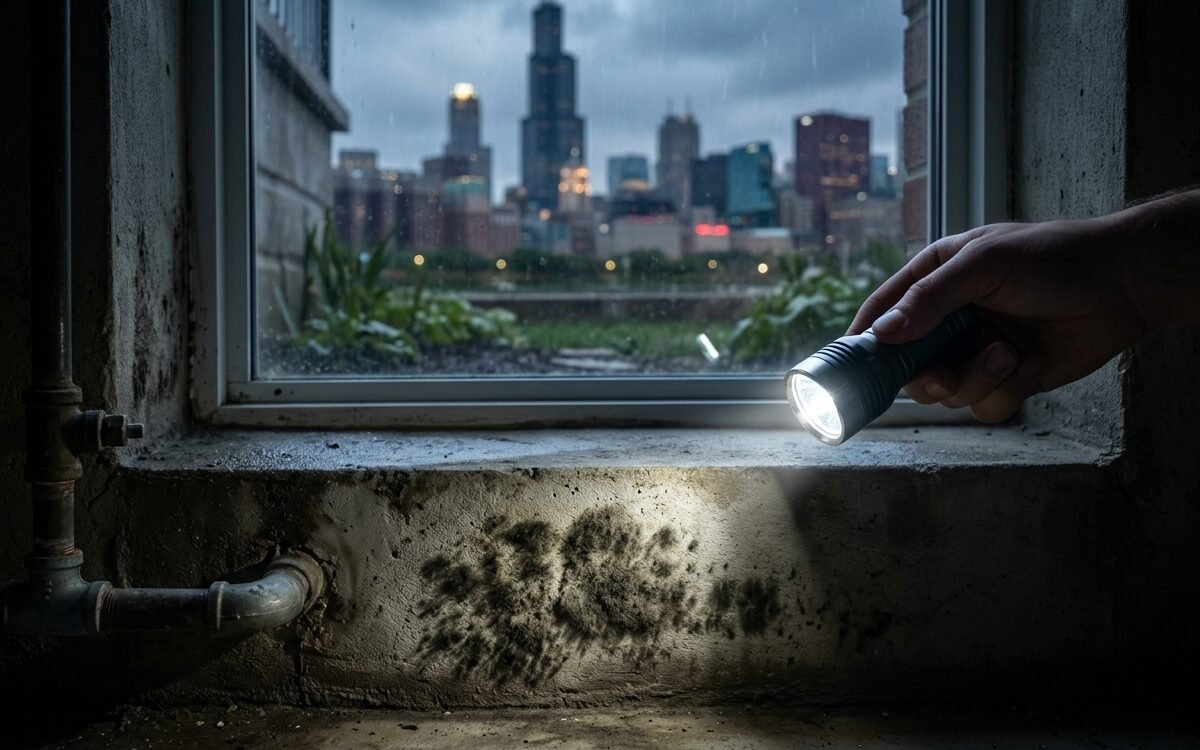
Buying or owning a home with a basement in the city brings plenty of extra storage space. However, it also brings a major risk for moisture problems and fungal growth. Mold in Chicago basement areas is a massive headache for thousands of local property owners every single year. The local climate creates a perfect storm of heavy spring rains, freezing winters, and hot, sticky summers. This shifting weather pushes water right through foundation walls and into your living space. If you want to protect your investment and your health, you need to understand how to handle this damp threat.
Why Is Mold in Chicago Basements Such a Common Issue?
Our local geography and weather patterns make it very easy for basement spaces to stay damp. The soil surrounding city foundations holds a massive amount of water after heavy seasonal storms. This pooling water builds up immense physical pressure against your underground concrete walls. Over time, that pressure forces moisture through tiny cracks, pores, and joints in the masonry structure. Once that dampness gets inside your warm basement, dormant spores quickly wake up and start spreading across your personal belongings.
How Does Hydrostatic Pressure Push Water Inward?
When the ground outside becomes saturated with heavy rain, it expands and presses hard against your home foundation. This natural force is called hydrostatic pressure, and it can push water right through solid concrete blocks. If your home has poor yard drainage or clogged downspouts, the water build-up gets even worse. This constant moisture invasion is the leading cause of mold in Chicago basement rooms. Homeowners must watch for fine white powder or damp spots on their concrete walls as early warning signs.
Why Do Vintage City Foundations Let Moisture Pass?
Many classic properties across the local neighborhoods feature older stone or brick foundations built many decades ago. The mortar holding these ancient stones together slowly breaks down, flakes away, and loses its waterproofing ability. This allows groundwater to seep directly into the basement floor and walls almost completely unchecked. If you leave these vintage basement walls unfinished and unsealed, they will constantly introduce damp air into your entire home.
Key Fact: Concrete looks completely solid, but it acts like a giant hard sponge that easily sucks up moisture from the wet ground outside.
How to Spot Hidden Growth Before Buying a Local Property
When you tour a potential house on the market, you cannot just look at the freshly painted walls. Smart buyers need to investigate the dark corners and check for subtle signs of hidden water damage. Sellers often try to mask basement issues with quick cosmetic cover-ups or heavy air fresheners. Knowing what to look for will save you from spending thousands of dollars on unexpected repairs right after closing.
Why Is a Professional Basement Mold Inspection Chicago Essential?
You should never skip a specialized basement mold inspection Chicago service before you sign the final paperwork on a property. Standard home inspectors might miss hidden moisture pockets because they do not use specialized diagnostic tools. A certified mold expert uses high-tech thermal cameras to see cold water pools trapped behind finished drywall panels. They also take air samples to check if high levels of invisible spores are floating through the rooms. This detailed testing gives you the hard proof you need to negotiate repair credits with the seller.
What Do White Powdery Stains on Concrete Mean?
If you see a white, chalky substance coating the lower sections of the basement walls, you are looking at efflorescence. This powder forms when moisture moves through the concrete and leaves behind natural ground salt minerals on the surface. While the white powder itself is not mold, it is an undeniable warning sign of active water movement. Where you find salt deposits, you will almost always find active mold colonies growing nearby on wood or drywall surfaces.
What Are the Hidden Dangers of Leaving Basement Mold Untreated?
Ignoring a damp smell or a small patch of dark growth in your utility closet is a dangerous mistake. Mold acts like a living organism that will continuously feed on your property structure until you stop it. The longer you wait to fix the water source, the more extensive and expensive the ultimate clean-up will become.
How Does Fungi Destroy Structural Wood Joists?
Mold survives by eating organic building materials like wooden floor joists, subflooring, and paper-faced drywall panels. As the fungal roots burrow deep into the lumber, they slowly rot and soften the wood fibers. Over time, this structural decay can cause your main support beams to sag, warp, or crack under the weight of your house. Fixing structural wood rot requires installing heavy temporary supports and replacing massive beams, which costs a fortune.
Why Does Basement Air Affect the Entire House?
Many homeowners assume that keeping the basement door shut tight will isolate the dirty air downstairs. However, a natural physical process called the stack effect constantly pulls air from the lowest level up into your main living rooms. Warm air rises and escapes through your roof, which creates a vacuum that sucks basement air upward through floor gaps. If your lowest floor is filled with mold spores, your family will breathe those contaminants in every single day.
What Steps Are Involved in Effective Chicago Basement Mold Remediation?
Cleaning up a major moisture problem requires a strategic approach to ensure the spores do not spread everywhere else. Simply spraying the walls with a bottle of grocery store bleach will not solve a deep-rooted structural issue. You need a complete system that stops the water source, kills the fungal roots, and cleans the indoor air.
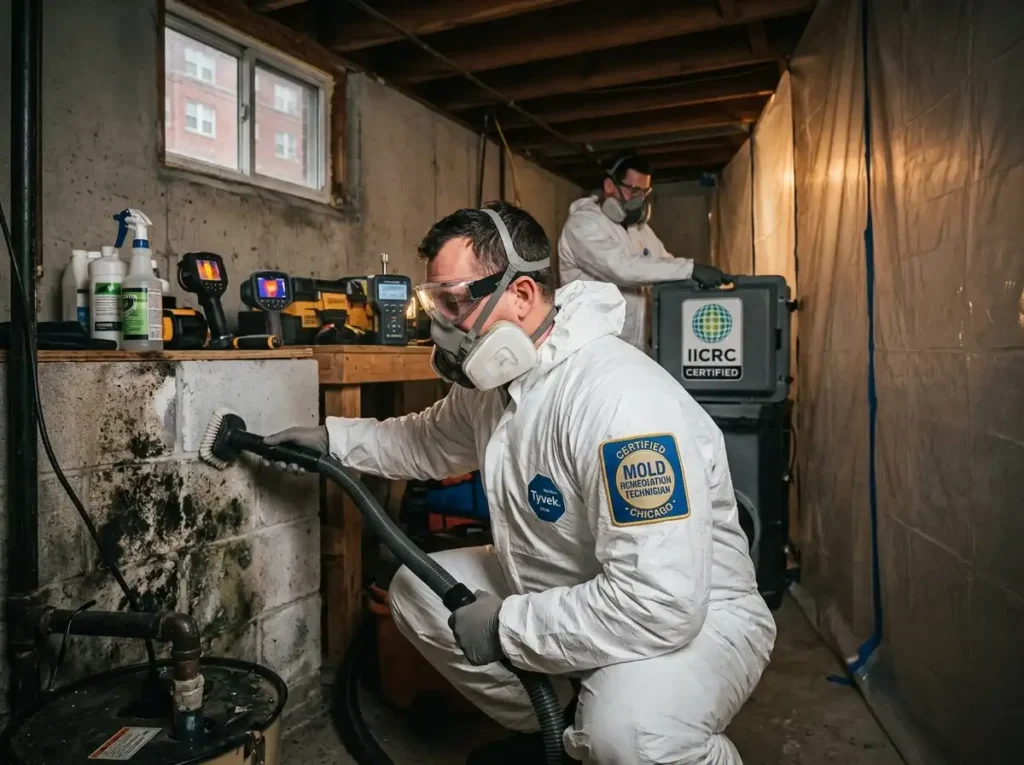
The remediation process consists of three key phases. The first phase is Containment, where plastic barriers are installed to prevent mold spores from spreading to unaffected areas. The second phase is Water Control, which involves repairing sump pumps and gutters to eliminate the source of moisture that allows mold to grow. The final phase is Air Cleaning, during which HEPA air scrubbers are used to filter airborne spores and improve indoor air quality. Together, these steps help control mold contamination, remove its underlying causes, and create a safer indoor environment.
Why Choose Certified Chicago Basement Mold Remediation Experts?
Hiring a licensed crew for Chicago basement mold remediation ensures the job follows strict safety laws and industry guidelines. Professional teams seal off the entire basement using heavy plastic sheeting and commercial negative air pressure machines. This containment grid blocks millions of disturbed spores from flying up into your kitchen or bedrooms during the cleanup. Experts have the industrial tools and protective gear needed to handle large-scale contamination safely and completely.
Why Is Bleach the Wrong Choice for Porous Materials?
Using standard household bleach on porous concrete or wood walls is an ineffective way to treat fungal growth. Bleach contains a very high percentage of water, which easily soaks deep into the material pores while the chlorine stays on top. The chlorine evaporates quickly, leaving the water behind to actually feed the deeply buried roots of the mold colony. Specialized antimicrobial cleaners are required to penetrate the pores and kill the entire organism permanently.
Practical Prevention Steps for Every Local Property Owner
The only way to keep your lower living level dry permanently is to actively manage the water outside your home. You must guide rainwater away from your foundation walls and control the humidity levels inside your rooms. Implementing a few maintenance routines will keep your basement safe, solid, and completely scent-free.
- Maintain your gutters: Clean your gutters twice a year so rain water does not overflow next to your foundation.
- Extend your downspouts: Add long plastic extensions to your downspouts to dump roof water at least six feet away from the house.
- Run a dehumidifier: Keep a large dehumidifier running constantly from April through October to keep humidity below fifty percent.
- Check the sump pump: Install a reliable backup battery on your sump pump so it works during severe power outages.
- Avoid basement carpet: Never install plush carpets directly over bare concrete floors because they easily trap hidden ground sweat.
How to Safe Clean a Tiny Patch of Basement Mold
If you catch a small patch of surface growth early, you can often clean it up safely on your own. You must protect your lungs and skin before you begin scrubbing any damp surface in your home. Working slowly and carefully keeps you from accidentally contaminating the surrounding rooms.
Put on safety gear
Protect your healt
1.Put on safety gear:Protect your health.
Slip on a thick N95 face mask, long rubber gloves, and sealed eye goggles before entering the damp area. Open any small basement windows to get fresh air moving through the dark space while you work.
Isolate the damp zone
Block the air vents
2.Isolate the damp zone:Block the air vents.
Turn off your central heating and cooling system so the furnace fan does not suck up loose dust. Tape plastic trash bags over any air vents located in the basement room you are treating.
Wet down the surface
Apply cleaning solution
3.Wet down the surface:Apply cleaning solution.
Spray a commercial mold cleaner or a mixture of warm water and dish soap directly onto the dark stains. Never scrub dry mold because you will launch millions of loose spores directly into your breathing air.
Scrub and wipe cleanly
Scrub the stains
4.Scrub and wipe cleanly:Scrub the stains.
Use a stiff nylon brush to scrub the wet stains until the black spots lift off the material. Wipe the slurry away using disposable paper towels, and place the dirty towels immediately into a plastic bag.
Dry the area completely
Drop the humidity
5.Dry the area completely: Drop the humidity.
Place a heavy fan and a dehumidifier right next to the wet wall and run them for two full days. Do not stack storage boxes back against that wall until the concrete is bone dry to the touch.
Investing a little time into basement maintenance protects your home structure and keeps your indoor air clean. If you are currently looking to buy a house, always investigate the lowest level with an expert eye. Staying proactive ensures your local property stays dry, comfortable, and completely safe for many years to come.
FAQS
Is a musty smell in a basement always a sign of mold?
A heavy, earthy, or musty smell is a definitive sign that mold microbes are actively growing somewhere nearby. Even if your drywall looks clean, the odor is caused by gases released by fungi eating hidden organic materials. The smell proves that your basement has a chronic moisture problem that needs immediate attention. Never try to hide the odor with candles or sprays because that does not fix the root water issue.
Can I finish a basement that has had moisture problems?
You should never hang drywall or install flooring in a basement until you fix the underlying water leaks completely. If you cover up a damp concrete wall, mold will quickly destroy the new wood studs and drywall backing within months. You must seal foundation cracks, install a reliable sump pump, and verify the space stays dry during heavy rain storms. Once the moisture is controlled, use mold-resistant materials to finish the space.
How often should I test my basement sump pump?
You should test your basement sump pump at least twice a year, right before the wet spring and autumn seasons hit. Pour a five-gallon bucket of water directly into the pump pit to make sure the float switch rises and activates the motor. You should also clean out any dirt, gravel, or debris from the bottom of the pit to prevent clogs. Installing a battery backup system ensures your pump keeps working during severe thunderstorms when power lines go down.
Does a landlord have to fix mold in a Chicago apartment basement?
Local city housing codes require landlords to maintain safe, habitable living conditions for all tenants. If you rent a space and discover mold growth, you should notify your landlord in writing immediately. The owner is responsible for fixing structural defects like leaking pipes, roof leaks, or cracked foundation walls that cause the dampness. If they refuse to take action, you can contact local housing authorities to file an official building complaint.
Can I use a regular vacuum to clean up mold dust?
You should never use a standard household vacuum cleaner to clean up dry mold dust or contaminated debris. Regular vacuums have porous filters that allow tiny spores to pass right through the machine and shoot directly into your breathing air. This will spread the contamination out of the basement and into every single room in your house. You must use a specialized vacuum equipped with a certified HEPA filter to safely trap micro-particles.
Conclusion
The timeline for a professional mold cleanup project depends on the overall size of the damage and how much demolition is needed. Most standard residential basement projects take anywhere from two to five working days to complete properly. The crew spends the first day setting up plastic containment barriers and removing ruined materials like wet drywall or carpet. The remaining days are used for deep cleaning, applying protective antimicrobials, and running industrial drying fans.