

Crawl Space Mold Inspection: Don’t Let Mold Destroy Your Home
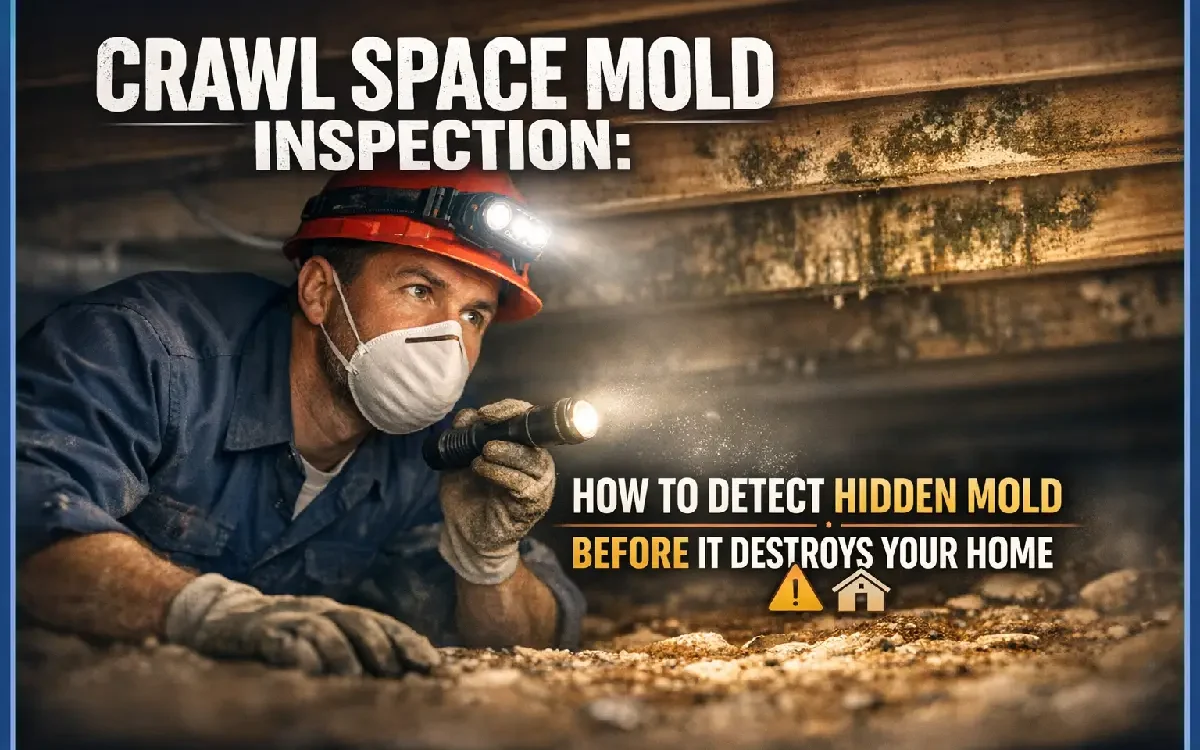
You don’t think about your crawl space much. That’s the problem. Dark, damp areas grow mold fast. Most Chicago homeowners only notice trouble when floors sag or smells get bad. By then, you’re looking at big repair bills. I’ve crawled under hundreds of homes across Chicago neighborhoods like Beverly and Jefferson Park. Here’s the deal: a proper crawl space mold inspection catches the problem early. It saves your home’s structure. It protects your family’s indoor air quality. Don’t wait until you see green fuzz on your floor joists. Let me show you what hides underneath.
Why Your Crawl Space is a Mold Magnet
Crawl spaces stay cool and dark. Perfect for mold growth. Add a little moisture, and you’ve got a disaster brewing. Chicago summers bring humid air. That air hits your cooler crawl space and condenses. Water drips onto wood, insulation, and dirt floors. I’ve seen this in hundreds of homes from Edison Park to Mount Greenwood.
Florida homeowners deal with this year-round. Down in Tampa or Orlando, damp crawl space issues are constant. But Chicago isn’t safe either. Our freeze-thaw cycles crack foundations. Spring rains flood low areas. Before you know it, hidden moisture rots your subfloor.
A crawl space mold inspection finds these wet spots early. Without one, mold spreads quietly. You won’t smell it until it’s severe.
Signs You Need a Crawl Space Mold Inspection Right Now
Watch for these red flags:
- Musty odors near floor vents
- Warped hardwood floors upstairs
- Allergy symptoms that won’t quit
- Visible white or black fuzz on crawl space walls
- Standing water or wet insulation
Many Chicago homeowners ignore the smell. “It’s just an old house,” they say. Wrong. That smell means air quality concerns inside your living space. Your HVAC pulls air from the crawl space. It circulates mold spores through every room.
I once inspected a home in Norwood Park. The family had constant headaches and coughs. Doctors couldn’t figure it out. We found a foot of water in their crawl space. Black mold covered the joists. A simple crawl space mold inspection would’ve caught it years earlier. Don’t make mistakes.
How Professionals Perform a Crawl Space Mold Inspection
What You Can Expect
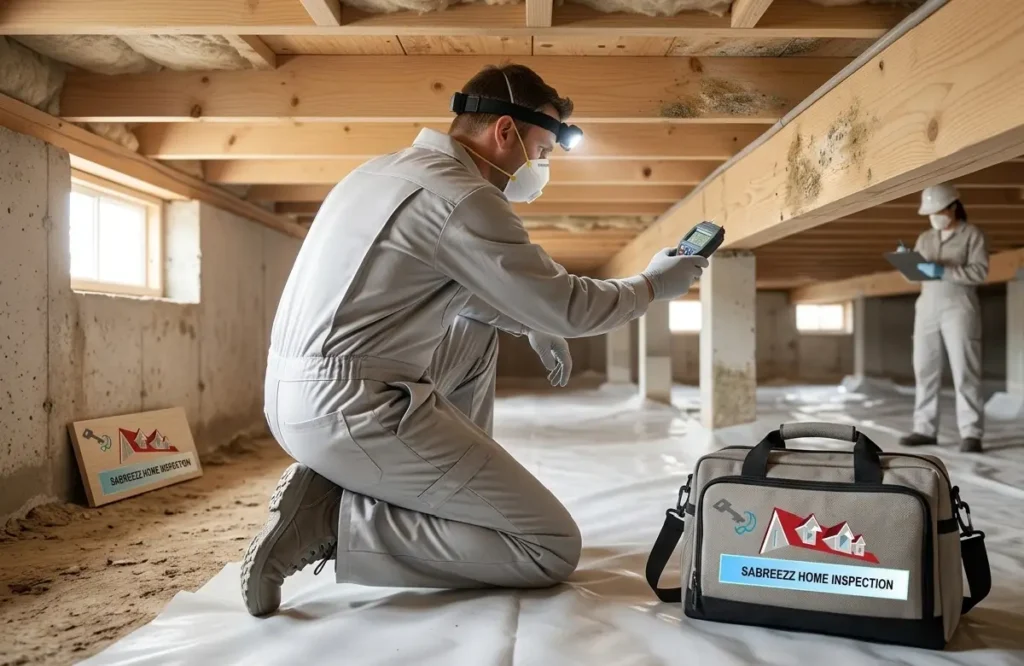
First, we suit up. Masks, gloves, and coveralls keep us safe. Then we open your crawl space access door. We shine bright lights into every corner. Here’s what we check:
- Moisture readings on wood surfaces
- Water leaks in crawl space from pipes or drains
- Structural damage from mold on beams and subfloor
- Insulation condition (wet insulation gets removed)
- Vapor barrier tears or gaps
We use moisture meters and thermal cameras. These tools find hidden moisture behind walls and under floors. You can’t see it with your eyes alone.
After the crawl space mold inspection, we will give you a full report. Photos show exactly what we found. Then we recommend next steps. Sometimes it’s just better ventilation. Other times you need full mold remediation.
The Link Between Crawl Space Mold and Indoor Air Quality
Here’s what most people don’t get. Your crawl space connects to your home’s air. Really. The stack effect pulls air upward. Cool air from the crawl space rises through gaps in floors and walls. Your HVAC system speeds this along.
When that air carries mold spores, you breathe them. Indoor air quality plummets. Kids and elderly folks feel it first. Asthma attacks increase. Sinus infections become routine.
I’ve tested homes in Florida where air quality concerns sent families to the ER. One house in Jacksonville had such bad crawl space mold that the owners thought they had a mold problem in their walls. Nope. All came from underneath.
A professional crawl space mold inspection breaks that cycle. You stop the source. Your air cleans up within weeks.
DIY vs. Professional Mold Remediation – What Works?
The Honest Truth
Bleach kills surface mold. That’s it. It doesn’t reach mold inside wood. And bleach water adds more moisture to your crawl space. You make the problem worse.
I’ve seen homeowners try vinegar, borax, and even tea tree oil. None work long-term. Why? Because moisture problems keep coming back. You’re treating symptoms, not causes.
Mold remediation done right means:
- Fixing the water source (leaky pipe, poor drainage)
- Removing all wet materials (insulation, damaged wood)
- HEPA vacuuming every surface
- Applying professional-grade antimicrobials
- Installing a proper vapor barrier and dehumidifier
You can’t do this with a spray bottle from Home Depot. A crawl space mold inspection tells you the scope. Then you decide. But cheap DIY fixes almost always fail. I’ve recrawled under the same Chicago homes twice because owners tried shortcuts.
Moisture Control Tips to Prevent Mold Growth
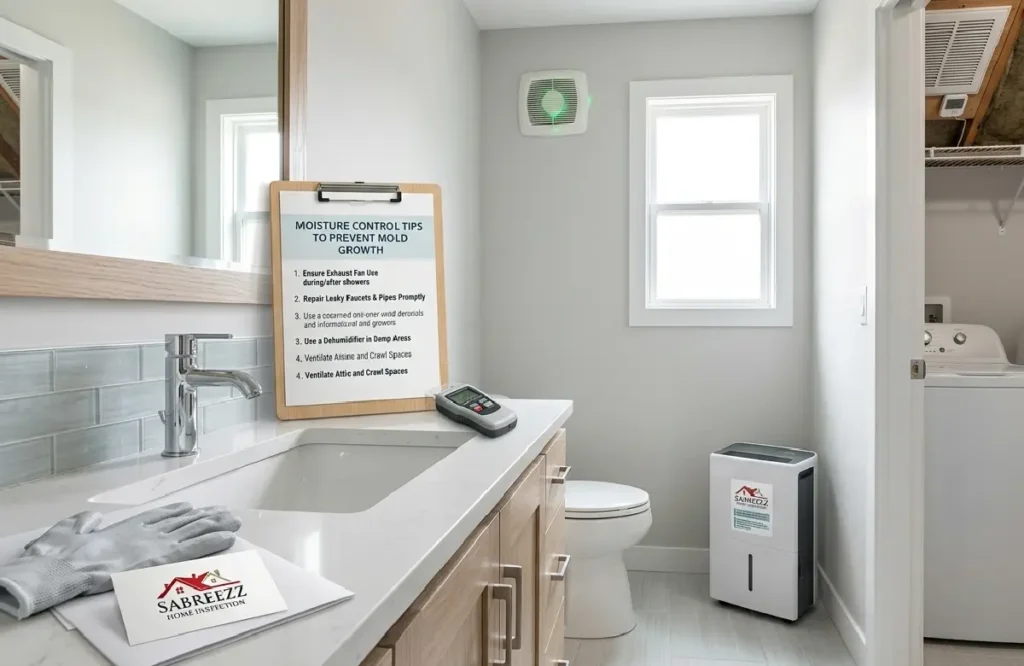
Stop mold before it starts. Here’s your home maintenance tips checklist:
Check your gutters monthly. Downspouts must drain 5 feet from your foundation. Chicago clay soil holds water. It pushes against your crawl space walls.
Seal crawl space vents. Old homes have open vents. They let humid summer air inside. Close them off. Install a dehumidifier instead. Fix plumbing leaks fast. Even a slow drip from a pipe keeps wood wet. Mold grows within 48 hours.
Grade your yard away from the house. Soil should slope down. No puddles near the foundation. Install a vapor barrier. Thick plastic sheeting covers dirt floors. It blocks ground moisture.
Florida homeowners know this stuff well. In Miami or St. Petersburg, humid crawl space conditions are brutal. They run dehumidifiers 24/7. Chicago isn’t as bad, but we still get 80% humidity in July. Don’t let your guard down.
Health Risks You Can’t Ignore
Mold isn’t just gross. It’s dangerous. Health risks from mold include:
- Respiratory infections
- Chronic sinusitis
- Skin rashes
- Memory fog and fatigue
- Severe asthma attacks
Black mold (Stachybotrys) produces mycotoxins. These attack your nervous system. Kids who grow up in moldy homes have higher asthma rates. Elderly folks get pneumonia more often.
I’m not trying to scare you. I’m being real. I’ve seen mold destroy homes and health. One family in Chicago’s Bridgeport neighborhood had to move out for three months. Their crawl space mold inspection found toxic levels. Remediation cost $12,000. But their daughter’s asthma cleared up within weeks.
Your health matters more than saving a few bucks.
FAQ
How often should I schedule a crawl space mold inspection?
Every two years is smart. Do it yearly if you’ve had water problems before. Florida homes often need biannual checks due to humidity.
Can I do my own crawl space mold inspection?
You can look for standing water and visible mold. But you’ll miss hidden moisture inside wood. Professionals use moisture meters and thermal cameras.
What’s the average cost of crawl space mold inspection in Chicago?
Most companies charge $200 to $400. Some roll the cost into remediation if you hire them. Always ask upfront.
How long does a professional crawl space mold inspection take?
Usually 1 to 2 hours. Bigger homes with multiple crawl space sections take longer. You get a written report within 24 hours.
Will my homeowner’s insurance cover mold remediation?
Only if the mold came from a “covered peril” like a burst pipe. Flood or neglect? You pay out of pocket. Check your policy.
Can mold in crawl space affect my upstairs bedrooms?
Absolutely. The stack effect pulls mold spores upward through gaps in floors. Your HVAC spreads them further. No room is safe.
What’s the difference between mold inspection and mold testing?
Inspection finds visible mold and moisture. Testing takes air or surface samples to identify mold types. Many pros do both.
Conclusion
Your crawl space hides secrets. Some are harmless. Mold isn’t one of them. A proper crawl space mold inspection catches hidden moisture and mold growth before they rot your floors and ruin your health. I’ve crawled under enough Chicago homes to know: most people wait too long. Don’t be that homeowner.
Start with a simple check. Smell anything musty near your vents? See condensation on your crawl space door? Call a pro. Get that basement and crawl space inspection on the books. Fixing moisture problems early costs a few hundred bucks. Replacing a rotted floor joist costs thousands.
Protect your home. Protect your family. And for the love of dry socks, don’t ignore that smell anymore.