
Common New Construction Defects Found in Schaumburg & Naperville Homes
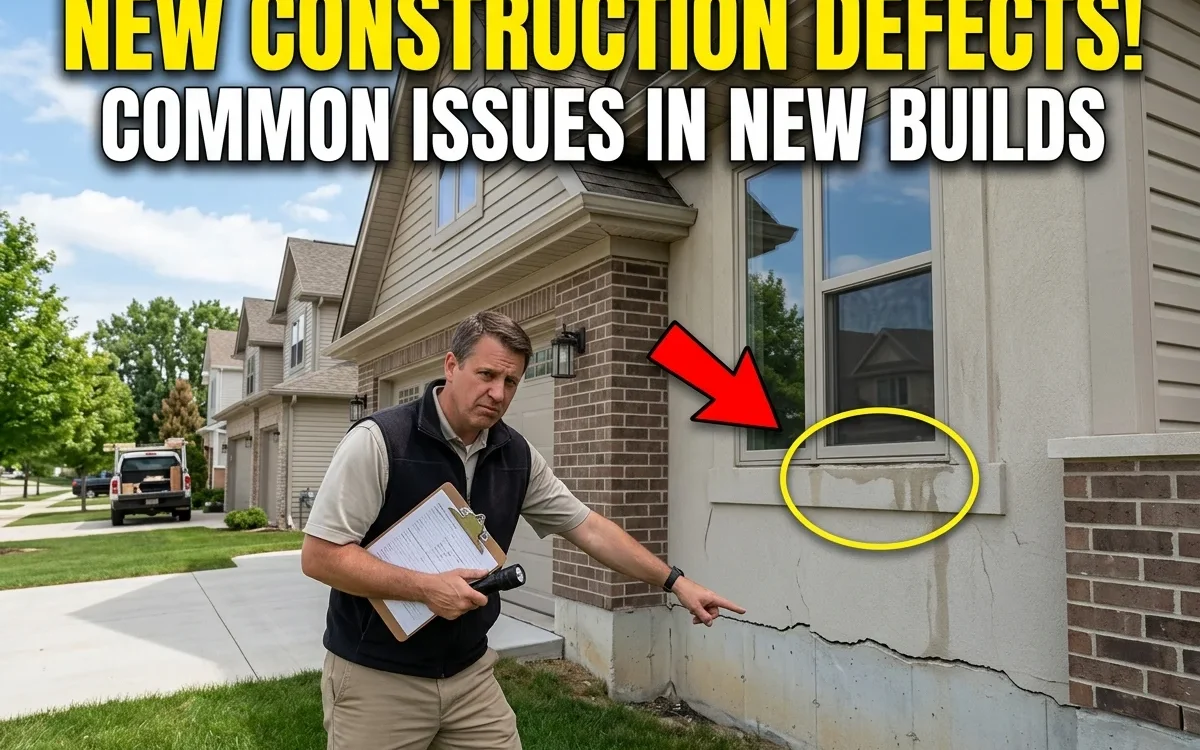
A newly constructed home is not automatically free from workmanship, installation, drainage, or finishing problems. Different trades work on the property at different stages, and details may be missed between those stages. Some concerns also become noticeable only after a system is operated or the property experiences rain, temperature changes, or normal use.
That makes it important to identify new construction defects in Schaumburg & Naperville before completing the closing process. A quick walkthrough may reveal damaged finishes or an obvious door problem, but less visible concerns involving grading, roofing, electrical components, HVAC installation, or insulation require a more systematic review.
Why New Homes Can Still Have Construction Defects
A new house passes through many stages before it is ready for occupancy. Framing, plumbing, electrical, HVAC, roofing, and finish trades all have to come together correctly. A problem introduced during one stage may remain unnoticed after another trade covers or finishes the area.
Installation and Workmanship Problems
Many defects relate to how a component was installed rather than the component itself. A loose connection, poorly fitted door, or improperly finished surface may not be obvious from across the room.
The same principle applies to larger systems. A new furnace or air conditioner may operate, yet accessible duct connections or insulation details may still deserve attention. Electrical fixtures may work while an installation deficiency remains present elsewhere. These are among the new construction inspection issues in Illinois that make an independent review useful.
Problems That Are Easy to Miss
A finished surface often hides the work underneath it. Once drywall, trim, siding, or other materials are installed, some construction details become difficult or impossible to observe without removing materials.
Other problems require more than a visual glance. A window needs to operate properly. A drain needs to carry water away as expected. An attic needs suitable insulation and ventilation conditions. A yard needs to direct surface water appropriately. A buyer’s walkthrough has value, but its purpose differs from a systematic inspection. If you are budgeting for this step, understanding new construction inspection costs in Chicago can help you plan ahead.
Site, Foundation, and Drainage Problems
The ground around a new home deserves as much attention as the house itself. Grading, surface drainage, foundation conditions, and visible signs of movement provide useful information about how the property is performing at the time of inspection.
Improper Grading and Surface Drainage
The finished ground should have a drainage pattern that moves surface water away from areas where it could collect against the home. Low spots or sections that appear to direct water toward the foundation deserve a closer look.
These grading and drainage issues do not automatically indicate foundation damage. Their significance depends on the actual slope and other circumstances. A dry inspection day also provides only a snapshot of how the site behaves.
Foundation Cracks and Settling
Foundation cracks deserve evaluation based on their characteristics rather than their mere presence. Location, width, pattern, and surrounding conditions all affect how a crack should be interpreted.
Possible clues related to foundation settling include uneven areas or doors and windows that operate differently from others in the home. A review helps determine whether a condition appears minor, warrants monitoring, or deserves further evaluation.
Roof and Exterior Installation Problems
Roofing, exterior walls, windows, and doors protect the interior from weather. Small installation details matter because water and air follow openings, joints, penetrations, and poorly sealed transitions.
Roofing and Flashing Defects
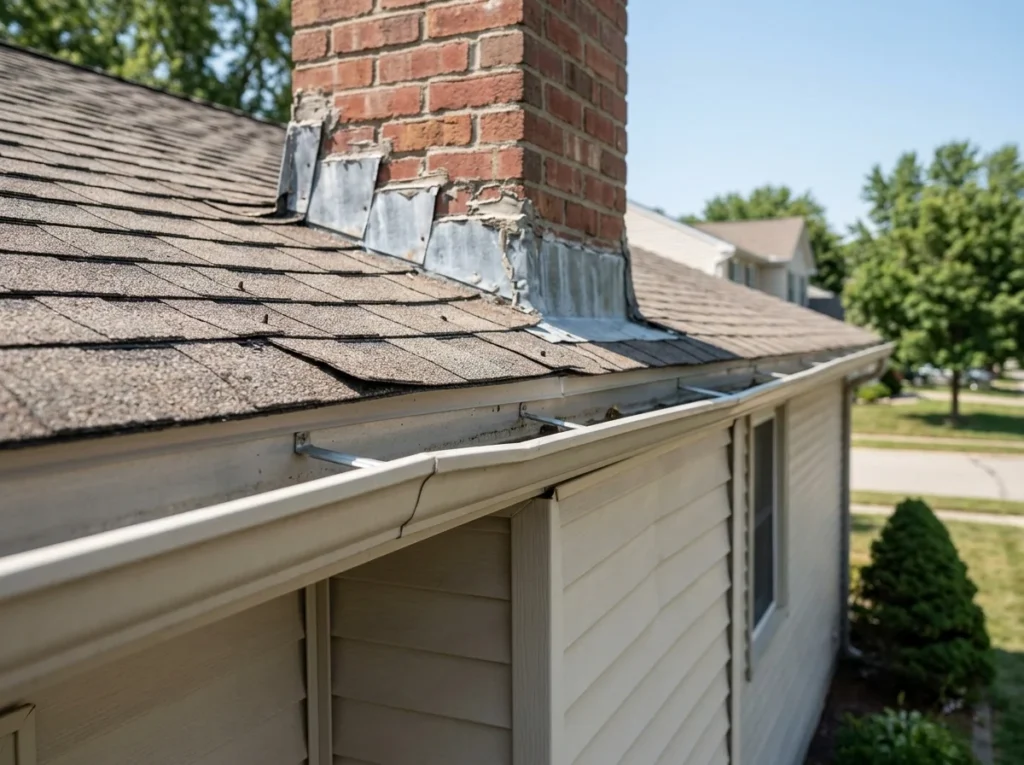
Visible roof shingle defects may include damaged materials, installation irregularities, or areas that appear incomplete. Roof penetrations and transitions also deserve attention because these locations require appropriate protection against water movement.
Improper flashing is another concern. Flashing around penetrations and roof-to-wall transitions needs to direct water away from vulnerable areas. A flashing deficiency does not automatically mean a roof is leaking, but an observable installation problem deserves documentation and appropriate follow-up.
Window and Door Installation Issues
New windows and exterior doors should open, close, and operate as intended. Visible gaps, poor alignment, incomplete sealing, or signs of moisture around an opening may indicate an installation concern.
Window installation defects are particularly easy to overlook when trim and finished surfaces make the opening appear complete. Operation and surrounding conditions provide additional clues. Visible evidence of water or air intrusion also deserves attention, although an inspection does not establish every possible hidden pathway.
Plumbing and Electrical Problems in New Construction
New plumbing and electrical systems still depend on careful installation. A fixture working during a brief walkthrough does not establish that every accessible connection, protective device, or component is properly installed.
Plumbing Installation Problems
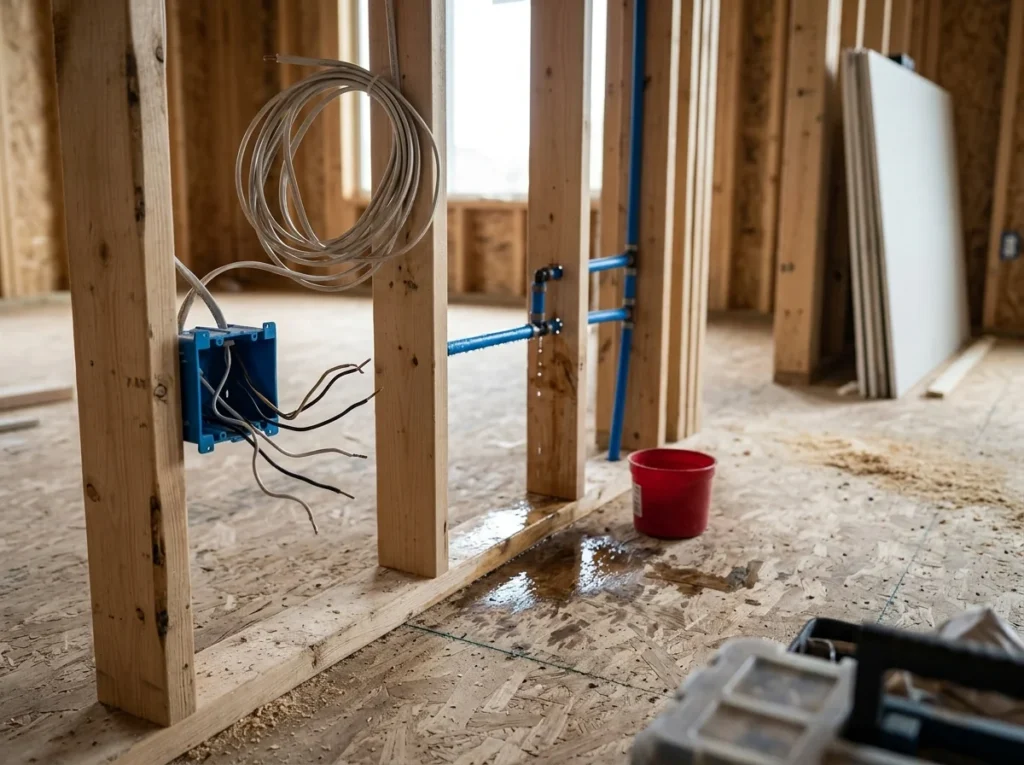
Observable plumbing concerns include loose connections, active leaks, fixtures that do not operate properly, slow or unusual drainage, and piping that lacks appropriate visible support. Accessible water heater connections and shutoff arrangements also deserve review.
Hidden piping presents a different situation. Walls and finished surfaces limit visibility, so a standard inspection focuses on accessible components and observable conditions rather than assuming every concealed connection has been checked.
Electrical Installation Concerns
Electrical observations involve outlets, switches, wiring, the service panel, and protective devices. GFCI and AFCI protection also deserve attention in locations where those protections apply.
Grounding-related concerns, improperly installed components, damaged outlets, or other visible deficiencies may warrant correction or further evaluation. The presence or absence of a single visible issue should not be taken as proof that the entire electrical installation is compliant or deficient.
HVAC, Insulation, and Ventilation Deficiencies
Heating and cooling equipment often receives attention because buyers notice whether the system operates. The installation surrounding that equipment matters as well, particularly where ducts, insulation, and ventilation affect system performance.
HVAC Installation Errors
HVAC installation errors may include disconnected or poorly connected ductwork, visible leakage at duct joints, missing insulation where applicable, or airflow concerns at accessible registers.
An inspection also considers equipment operation and visible installation conditions. It is not, however, a complete engineering analysis of system sizing, refrigerant charge, or every concealed portion of the HVAC system.
Insulation and Ventilation Problems
Attic areas may reveal missing, displaced, compressed, or uneven insulation. Gaps around penetrations or other visible areas may also deserve attention.
Ventilation deserves separate consideration. Attic ventilation and bathroom exhaust systems serve different purposes, and their condition should be evaluated within the property’s overall setup. Poor ventilation may contribute to moisture issues under certain conditions, but a ventilation deficiency alone does not prove that damage exists.
Interior Finish and Workmanship Defects
Interior defects are often easier to see than hidden system problems, but their significance varies. A new home does not need to have every finish perfectly uniform for a condition to matter, and a visible imperfection does not automatically indicate a major construction failure.
Drywall cracks, uneven finishing, trim gaps, flooring problems, paint defects, and doors that do not close or latch correctly are examples of conditions worth documenting. Misaligned cabinets, fixtures, or other installed components may also reflect workmanship issues.
The useful question is whether the condition is primarily cosmetic, affects normal operation, or suggests something that deserves further evaluation. A small finish imperfection and a recurring crack around a component should not automatically receive the same level of concern.
Key Areas to Inspect Before Closing on a Newly Built Home
A buyer walkthrough provides a practical opportunity to look over the completed property. It should not, however, be confused with a systematic inspection of accessible systems and components.
New Home Defects Checklist
Use this short list when reviewing a newly built home:
- Check the grading and visible drainage pattern around the foundation.
- Look for visible foundation cracks or unusual movement indicators.
- Review accessible roof and flashing areas.
- Operate plumbing fixtures and check for visible leaks or drainage concerns.
- Test accessible outlets and switches.
- Review applicable GFCI and AFCI protection.
- Operate the HVAC system and note unusual performance concerns.
- Review accessible insulation and ventilation areas.
- Examine drywall, flooring, trim, paint, and other visible finishes.
- Note workmanship concerns that require correction or further evaluation.
The checklist helps organize a walkthrough, but it does not replace an inspection that evaluates the property more systematically. Buyers may also want to consider a builder warranty inspection in Naperville before applicable warranty deadlines.
How an Independent Inspection Can Help
An independent home inspection gives the buyer another set of eyes before closing or moving into a newly constructed home. The inspection focuses on accessible systems and components, with findings documented according to the conditions observed at the property.
A written report may include photographs and descriptions of deficiencies, along with information about conditions that deserve correction, monitoring, or further evaluation. Illinois inspection standards also require reporting when designated systems or components were not inspected because of conditions such as obstructions or other limitations.
This documentation gives the buyer useful information when discussing concerns with the builder. It does not guarantee discovery of every hidden defect, nor does it guarantee that a builder will make a particular repair. The purpose is to provide an independent assessment of observable conditions at the time of the inspection.
FAQs
Can a new construction home still have defects?
Yes. New construction may contain workmanship, installation, drainage, system, or finish concerns. New materials and recent construction do not guarantee that every component was installed or finished correctly.
What are common new construction inspection issues in Illinois?
Common categories include grading and drainage, roofing and flashing, windows and doors, plumbing, electrical components, HVAC installation, ventilation, and interior workmanship.
Can an inspection find construction defects before closing?
An inspection may identify construction defects before closing. What gets evaluated depends on the property’s condition, accessibility, safety, and the inspection scope. Concealed conditions may remain outside the inspection.
Should I get a new construction home inspected before closing?
An independent inspection gives a buyer an opportunity to identify and document observable concerns before taking ownership. Illinois guidance also distinguishes an independent professional inspection from other property information and disclosures.
New Construction Inspection in Schaumburg & Naperville
A newly built home still deserves attention to grading and drainage, foundation conditions, roofing and flashing, windows and doors, plumbing, electrical systems, HVAC, insulation and ventilation, and interior workmanship. Construction quality problems in Naperville or Schaumburg should be considered according to the actual conditions found at the property.
Sabreezz Home Inspection provides residential home inspection services that include evaluation of major accessible home systems and components. An independent inspection provides documented information about observable conditions that may help a buyer understand what needs attention before moving forward.
If you are considering a newly constructed home in Schaumburg or Naperville, contact Sabreezz Home Inspection to arrange an independent inspection before closing or moving into the property.