
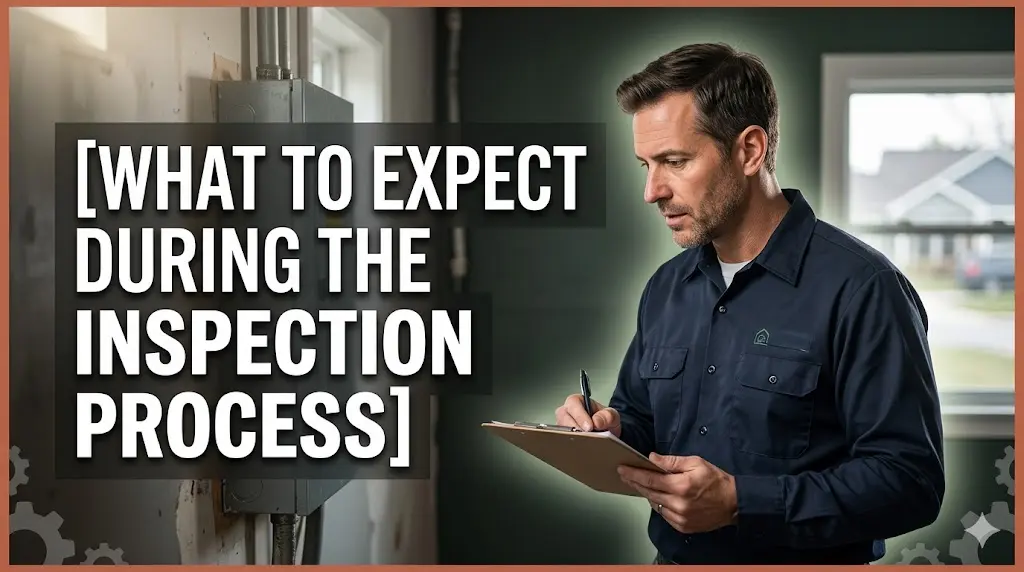
What to Expect During the Inspection Process
Buying or selling a home can feel exciting and stressful at the same time. Many people focus on the final report, but few know what happens first. Understanding what an inspector wants to see first can help you feel prepared and avoid surprises during the visit.
At Sabreezz Home Inspection, we meet homeowners and buyers across Chicago every week. One question comes up often. What catches an inspector’s attention first? The answer may seem simple, but it plays a big role in the entire inspection process and helps shape the rest of the evaluation.
Why First Impressions Matter During a Home Inspection
The first moments of an inspection set the tone for everything that follows. Before checking outlets, appliances, or plumbing fixtures, inspectors start gathering clues about the property’s overall condition. Those early observations help identify areas that may need closer attention later.
A skilled inspector does not walk in looking for problems. Instead, they look for signs that tell the home’s story. Exterior conditions, maintenance habits, and visible structural features often reveal how well the property has been cared for over time.
The Property Exterior Usually Comes First
In most cases, the first thing an inspector wants to see is the exterior of the home. The outside provides valuable information before anyone steps through the front door. Roof lines, grading, siding, gutters, and foundation conditions often point toward larger concerns.
Inspectors look for water drainage issues, cracks, damaged materials, and signs of deferred maintenance. These observations help guide the inspection process and determine which areas deserve extra attention during the rest of the visit.
Access and Visibility Matter Immediately
An inspector also wants clear access to important areas. If gates are locked or items block entry points, it slows down the inspection and limits what can be evaluated. Accessibility helps create a complete and accurate assessment.
Simple inspection preparation tips can make a difference. Clearing access to electrical panels, attics, crawl spaces, and utility rooms helps inspectors work efficiently while reducing delays and missed observations.
Inspection Documentation Is One of the First Requests
Before digging deeper into the property, inspectors often ask for available records. Documentation provides context that helps explain upgrades, repairs, and maintenance completed over the years.
These records help inspectors understand what changes have been made and identify areas that may need closer review. Good paperwork does not replace an inspection, but it adds valuable background information.
What Documents Are Helpful?
Inspection documentation can include several types of records. Having these available saves time and helps answer questions during the visit.
- Roof replacement records
- HVAC service receipts
- Plumbing repair invoices
- Electrical upgrade permits
- Foundation repair documents
- Warranty information
- Previous inspection reports
Providing these records supports a smoother inspection and helps create a more complete picture of the property’s condition.
Why Records Build Confidence
When maintenance records are organized and easy to review, inspectors can better understand the home’s history. It also shows consistent care and responsible ownership.
Buyers appreciate transparency. Sellers who provide clear inspection documentation often make the inspection experience easier for everyone involved while reducing uncertainty about past repairs.
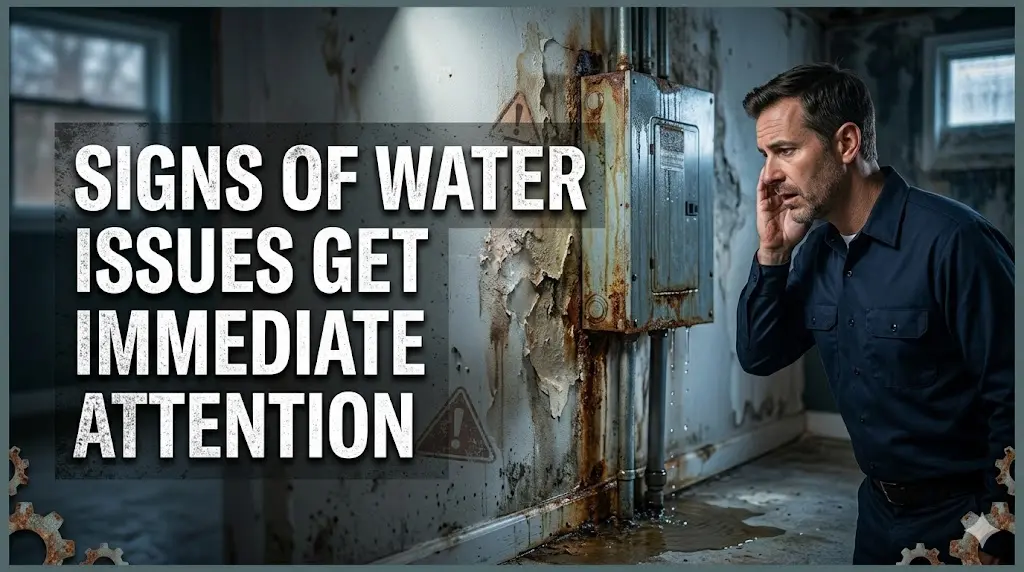
Signs of Water Issues Get Immediate Attention
After reviewing the exterior and available records, inspectors pay close attention to water-related concerns. Water is one of the most common causes of property damage and can affect multiple systems at once.
Even minor staining, grading problems, or moisture intrusion can signal larger concerns. Because of this, inspectors remain alert for evidence of leaks, drainage issues, or excess humidity throughout the property.
Areas Commonly Checked for Moisture
Water problems can appear in several locations around a home. Inspectors know where issues are most likely to develop.
- Basement walls and floors
- Crawl spaces
- Attics and roof penetrations
- Around windows and doors
- Plumbing connections
- Exterior grading areas
Finding moisture early helps prevent expensive repairs and protects the long-term condition of the property.
Preparing for an Inspection Helps Everything Run Smoothly
A successful inspection does not require a perfect home. Inspectors expect normal wear and age-related conditions. What helps most is making the property accessible and ready for evaluation.
Preparing for an inspection allows inspectors to complete their work without unnecessary interruptions. It also helps ensure that important systems and components can be fully reviewed.
Practical Inspection Preparation Tips
Homeowners can take a few simple steps before the appointment. These actions help create a smoother experience for everyone involved.
- Unlock gates and utility rooms
- Replace burned-out light bulbs
- Remove storage from access panels
- Secure pets during the visit
- Test smoke detector batteries
- Clear attic and crawl space entries
These inspection preparation tips help inspectors focus on evaluating the property rather than working around obstacles.
Common Mistakes to Avoid
Some homeowners try to fix every cosmetic issue before an inspection. While basic maintenance is helpful, hiding defects or covering access points can create problems.
The goal is transparency. A professional inspector wants to see the home’s actual condition. Open access and honest information support a more accurate report and a smoother experience.
What Experienced Inspectors Notice Right Away
Experienced inspectors often recognize patterns within minutes of arriving. They look beyond individual defects and evaluate how different systems interact with each other.
For example, poor drainage may relate to foundation concerns. Roof damage may be connected to attic moisture. These connections help inspectors understand the property’s overall health and identify potential risks.
The Value of Professional Observation
A trained inspector combines technical knowledge with real-world experience. Many issues are not obvious to buyers or sellers, but they become noticeable when viewed through a professional lens.
At Sabreezz Home Inspection, every inspection is approached with careful attention to detail. Our certified inspectors evaluate homes from foundation to roof while explaining findings in clear language that homeowners can understand.
FAQs
What is the first thing an inspector wants to see during a home inspection?
Most inspectors begin with the home’s exterior. They look at the roof, foundation, grading, siding, and drainage to identify visible issues before moving inside.
Why is inspection documentation important?
Inspection documentation helps inspectors understand past repairs, upgrades, and maintenance. It provides useful background that supports a more complete evaluation.
How can I prepare my home for an inspection?
Clear access to key areas, secure pets, unlock utility spaces, and organize maintenance records. These simple steps help the inspection move efficiently.
What areas are most commonly inspected for water damage?
Inspectors closely examine basements, crawl spaces, attics, plumbing connections, windows, doors, and exterior drainage areas for moisture-related concerns.
Do I need to fix every issue before an inspection?
No. Inspectors expect normal wear and age-related conditions. Focus on providing access and accurate information rather than trying to hide defects.
How long does a typical home inspection take?
Most home inspections take between two and four hours. The exact time depends on the home’s size, age, condition, and accessibility.