

Why HVAC Mold Inspection Is Important for Indoor Air Quality
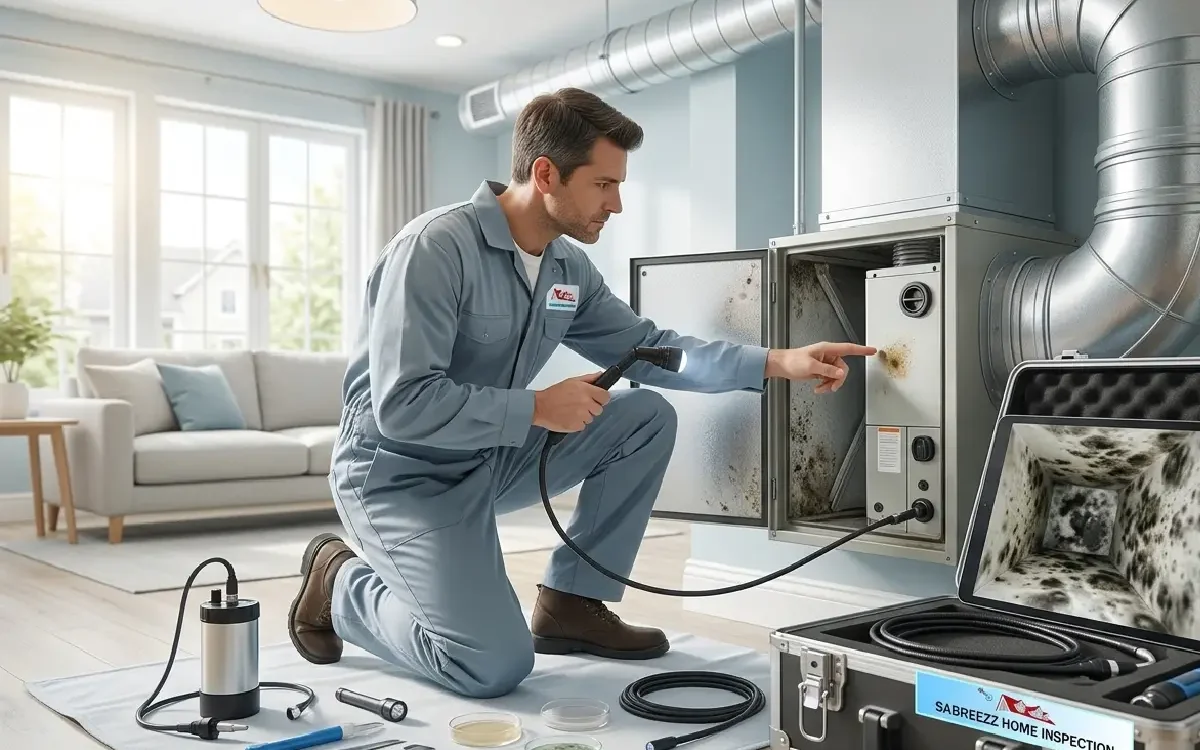
You smell something musty. Your allergies get worse indoors. That’s not normal. Many homes hide mold inside HVAC systems. Chicago’s weather makes this problem worse. Humid summers and cold winters create moisture. That moisture feeds mold growth. An HVAC mold inspection finds the source quickly. It protects your indoor air quality before symptoms start. Let me explain why this matters for your home or business.
Hidden Mold Lives in Your Air Ducts
Air ducts stay dark and damp. Mold loves those conditions. You cannot see inside without help. Mold inspection HVAC systems reveal what hides there. Chicago homes often have basement vents. Attic vents collect moisture too. These spots stay ignored for years. Mold spreads through every room. Airborne mold spores travel invisibly. You breathe them all day. That causes real health problems over time.
I’ve seen this on dozens of Chicago properties. One homeowner had been coughing for months. Another noticed a stale smell after rain. Both cases traced back to contaminated HVAC systems. The mold grew slowly. No one noticed until symptoms appeared. A professional mold inspection catches this early. Don’t wait for visible signs—by then, it’s widespread.
What Is an HVAC Mold Inspection?
An HVAC mold inspection is a professional process that checks your heating, ventilation, and air conditioning system for hidden mold growth. It focuses on areas you cannot easily see, such as air ducts, vents, drip pans, coils, and air handlers. Technicians use tools like moisture meters, borescopes, and air sampling devices to detect mold and excess humidity inside the system.
Unlike a general home mold inspection, this process targets the entire airflow system that circulates air throughout your home or business. Since HVAC systems constantly move air, any mold inside can spread spores into every room. The goal of an HVAC mold inspection is to identify contamination early, locate moisture sources, and prevent long-term indoor air quality issues. It is especially important in humid climates or older buildings where ventilation is limited.
Cost of HVAC Mold Inspection and What Affects It
The cost of an HVAC mold inspection typically ranges from $300 to $600 for most homes, depending on system size and complexity. Larger properties, commercial buildings, or severe contamination cases may cost more due to additional testing and labor.
Several factors influence pricing, including the number of HVAC units, duct accessibility, level of suspected mold growth, and whether air quality lab testing is required. If mold is found, remediation costs are separate and can increase significantly depending on severity. However, early inspection is usually far less expensive than treating widespread contamination or health-related issues later.
How Poor Ventilation Feeds Mold Growth
Poor ventilation traps humid air inside. Your HVAC system recirculates that air repeatedly. Moisture builds up in damp areas in ducts. Chicago’s older homes have tight construction. They lack a modern airflow design. That creates perfect mold conditions. Dirty air filters make things worse. Clogged filters block proper drying. Moisture sits in the system longer. Mold colonies establish quickly.
Here’s the deal: Good ventilation pushes moisture out. Bad ventilation holds it in. An HVAC mold inspection measures airflow problems. Technicians spot blocked returns. They find collapsed flex ducts. These issues trap humidity like a sponge. Fixing ventilation stops future mold. But you need the inspection first. Otherwise, you’re guessing about the real problem.
Health Risks from Mold You Should Know
Respiratory problems start slowly. You might ignore morning coughing. Maybe your eyes feel scratchy. Allergies and irritation get blamed on pollen. But indoor mold hits harder. Health risks from mold include asthma attacks. Some people develop sinus infections. Children and elderly folks suffer most. Chicago’s heating season runs long. You spend months breathing recirculated air. That air carries mold spores if your system is dirty.
I’ve watched families struggle with this. They buy air purifiers. They take allergy medicine daily. Nothing works because the source lives in the ducts. Hidden mold doesn’t care about your medications. It keeps releasing spores 24/7. A proper HVAC mold inspection breaks that cycle. You identify the contamination. Then you remove it completely. Symptoms often clear up within weeks.
Signs Your HVAC System Needs an Inspection
Watch for these warning signs around your Chicago home:
- Musty smells when the heat or AC runs
- Increased allergy symptoms indoors only
- Visible dust or debris blowing from vents
- Recent water damage or flooding
- High humidity levels inside your home
- Mold spots near return air grilles
Any of these mean trouble. Mold prevention starts with early detection. Don’t assume the smell will fade. It won’t—it’ll get stronger. Proper HVAC maintenance includes regular inspections. Most homeowners forget their ductwork entirely. That’s a big mistake in Chicago’s climate. Our freeze-thaw cycles create condensation. That moisture travels straight into your system.
Schedule an HVAC mold inspection at the first sign. Waiting only allows more spread. One local business called after employees got sick. The inspection found mold throughout their rooftop unit. A quick fix saved their indoor air quality. It also saved lost workdays.
What Happens During a Professional Mold Inspection
Technicians start with a visual check. They look at vents, returns, and air handlers. Next comes moisture mapping. Special meters find hidden damp spots. Then they take air samples. Lab testing confirms mold types. Professional mold inspection isn’t just looking—it’s measuring.
For Chicago homes, inspectors check basement ducts carefully. Crawl spaces get special attention. Attic vents need inspection too. These areas trap moisture year-round. The technician might use a borescope. That tiny camera fits inside ductwork. It reveals mold you cannot see otherwise.
Results take 24 to 48 hours. You get a detailed report. It shows exactly where mold lives. The report also recommends fixes. Some cases need duct cleaning. Others require duct replacement. Severe mold needs professional remediation. Either way, you stop breathing harmful spores.
Preventing Future Mold Growth After Inspection
Once mold is gone, keep it away. Change dirty air filters every 30–60 days. Chicago’s dusty summers need frequent changes. Install a whole-home dehumidifier. Set it below 50% humidity. Check basement and attic vents monthly. Look for condensation on metal ducts. Insulate any sweating pipes or ducts.
Mold prevention also means fixing leaks fast. A small roof leak creates damp insulation. That dampness feeds mold for months. Clean your HVAC drain pan annually. Pour vinegar down the condensate line. This kills early mold growth. Schedule proper HVAC maintenance twice per year. Spring and fall are perfect in Chicago.
Your indoor air quality depends on consistent habits. After one HVAC mold inspection, you know your system’s weak spots. Address those areas proactively. You’ll breathe easier. Your family stays healthier. And you avoid costly remediation down the road.
FAQ Section
How often should I get an HVAC mold inspection in Chicago?
Every two years works for most homes. Do it annually if you have allergies. Do it right away after any water damage or flooding event.
Can I check for mold in my air ducts myself?
You can look at visible vent areas. But hidden mold needs professional tools. Air sampling and borescopes find what you’ll miss on your own.
Does mold in HVAC systems always cause health problems?
Not always, but often yes. Some people show no symptoms. Others get severe reactions. Children, elderly, and asthmatics face the highest risks from mold exposure.
How much does a professional mold inspection cost in Chicago?
Prices range from 300 to 600 typically. This includes visual inspection, air samples, and lab analysis. Cheaper than treating mysterious illnesses later.
What kills mold inside air ducts permanently?
Professional remediation using EPA-registered products. Bleach doesn’t work on porous duct surfaces. Only trained technicians remove mold completely from HVAC systems.
Can dirty air filters cause mold growth?
Yes, indirectly. Clogged filters reduce airflow. Slower airflow means less drying. Moisture lingers in ducts longer. That creates perfect conditions for mold colonies to form.
Is mold in HVAC systems covered by home insurance?
Most policies exclude mold unless a covered peril caused it. Burst pipe? Probably covered. Poor maintenance? Not covered. Read your policy carefully.
Conclusion
Your indoor air quality matters every single day. HVAC mold inspection finds hidden threats before they harm you. Chicago’s climate creates constant moisture risks. Don’t ignore musty smells or allergy symptoms. Those are warning signs. A professional mold inspection takes just a few hours. The results protect your family for years. Search a local Chicago mold inspector today. Request a quote for your home or business. Breathe easier knowing your air is truly clean.