

Home Mold Inspection: Catch Hidden Mold Before It Hurts You
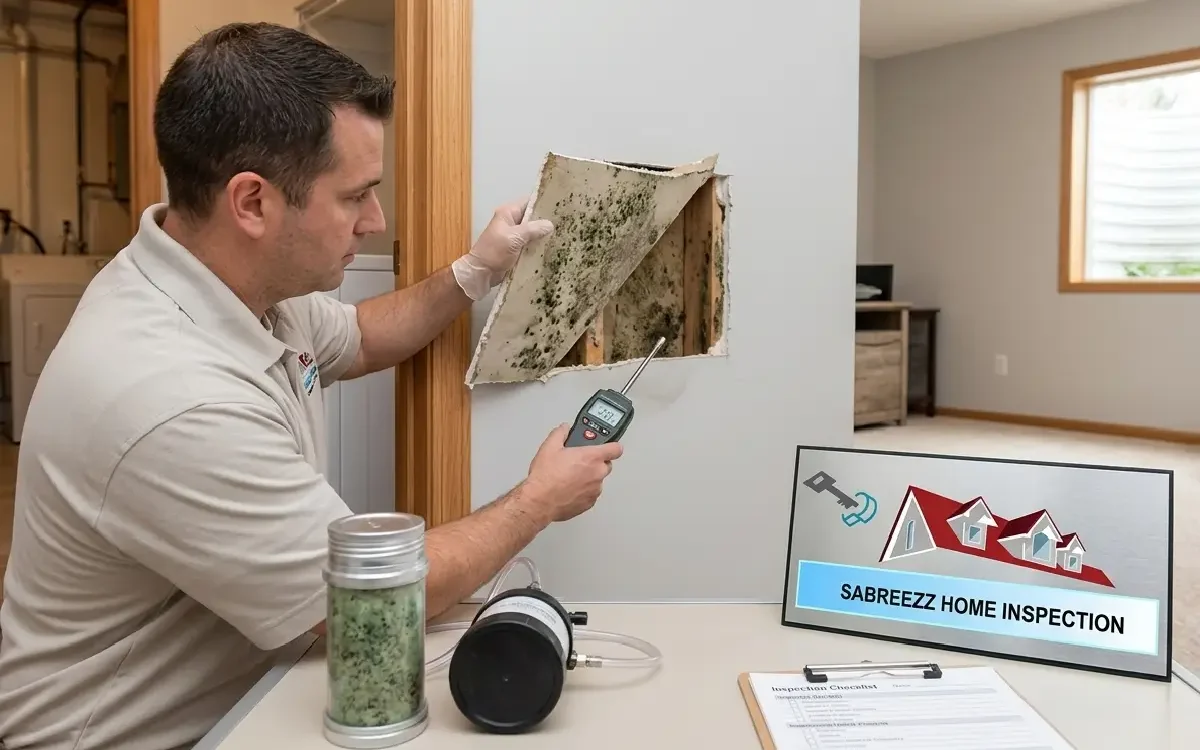
You walk into your house. Something smells off. Damp. Earthy. You can’t place it. That’s mold hiding somewhere. Most Chicago homeowners only find mold after someone gets sick. By then, mold spores have spread everywhere. I’ve crawled through attics and basements across neighborhoods like Albany Park and Hyde Park. Here’s the deal: a proper home mold inspection finds trouble early, protects your family’s indoor air quality, and saves you thousands in repairs. Don’t wait for green fuzz on your walls. Let me show you what lurks behind your drywall.
Where Mold Hides in Plain Sight
Mold loves damp areas in the home. You check your bathroom and kitchen. Good. But what about behind your washing machine? Under your kitchen sink? Inside your HVAC ducts?
I’ve found mold in crazy places. Behind bedroom dressers pushed against exterior walls. Inside light fixtures on cold ceilings. Under the vinyl flooring that trapped moisture.
What Happens If Mold Is Left Untreated?
If you leave it, the mould will only get worse. It gets bad fast when there’s moisture. Leaks can cause mould to grow behind walls, under floors, or in insulation in a matter of days. At first, you may simply notice a slight musty smell or have mild allergy symptoms like sneezing or eye irritation. In a few weeks, mould spores will be travelling through the air and HVAC system and will impact the interior air quality.
Health symptoms often rise, such as coughs, headaches, sinus problems, and asthma attacks. Meanwhile, construction materials like plasterboard and wood start absorbing moisture and deteriorating. Damage that is obvious gets worse after a few months. Paint can flake off, floors can twist, and woodwork can start to decay. At this stage, repairs are more expensive and often require professional remediation rather than basic cleaning. Left unchecked for a year or more, mould can cause serious structural damage and chronic health problems, particularly for children, the elderly, and people with respiratory illnesses. The value of the property can potentially plummet.
Prepare Your Home Before a Mold Inspection
Before a mold inspection, proper preparation helps ensure accurate results and faster identification of hidden issues. Start by clearing access to key areas like basements, attics, crawl spaces, under sinks, and around HVAC systems. Move furniture or stored items away from walls so moisture-prone areas are visible. Next, make a list of any concerns, such as musty odors, water stains, past leaks, or rooms where symptoms worsen.
Also gather any history of plumbing issues, roof leaks, or previous water damage. Avoid cleaning with bleach or strong chemicals before the inspection, as they can mask mold odors. Keep your HVAC system running normally so air conditioning can be properly evaluated. Finally, secure pets and avoid covering or painting over stains. This allows the inspector to detect moisture sources accurately and provide a clear assessment of any hidden mold problems.
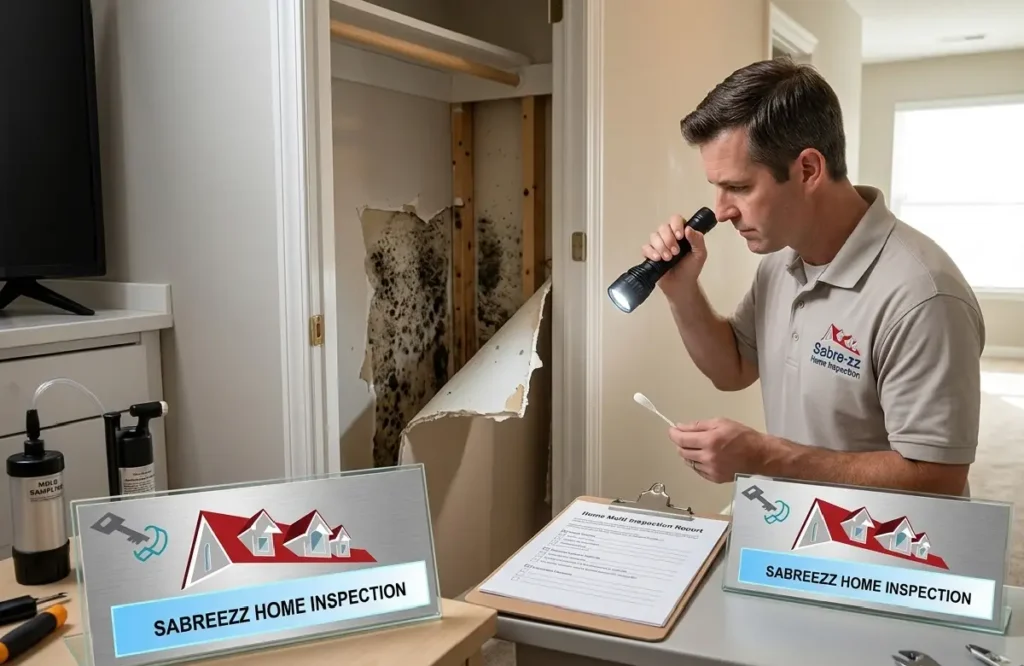
Florida homeowners deal with this daily. In Tampa or Orlando, moisture problems are relentless. High humidity means mold grows behind any cool surface. Chicago isn’t as bad, but we have our own issues. Frozen pipes burst in winter. Spring rains flood basements. Summer humidity hits 80%.
A home mold inspection checks every corner. We use moisture meters and borescopes. We find what your nose already suspects.
Signs You Have Hidden Mold Right Now
Don’t ignore these warnings:
- Musty odors that get worse when it rains
- Allergy symptoms at home but not at work
- Water stains on ceilings or walls
- Peeling paint or bubbling wallpaper
- Warped floors or soft spots near walls
Many Chicago homeowners dismiss the smell. “It’s just an old house,” they say. Wrong. That smell means active mold growth somewhere. Your HVAC spreads mold spores through every room.
I once inspected a home in Rogers Park. The family had constant headaches. Their kid missed school for weeks with breathing problems. We found a slow water leak behind their shower wall. Black mold covered the studs. A simple home mold inspection would’ve caught it two years earlier.
Health Risks from Mold You Can’t Afford to Ignore
Let’s get real. Health risks from mold aren’t just sneezing. Prolonged exposure causes:
- Chronic sinus infections
- Asthma attacks in kids
- Skin rashes that won’t clear up
- Brain fog and memory issues
- Lung bleeding in rare cases (yes, really)
Black mold produces mycotoxins. These attack your immune system. Elderly folks and babies suffer most. I’ve seen families move out of their homes for months. Remediation cost them $15,000. But their health came back within weeks.
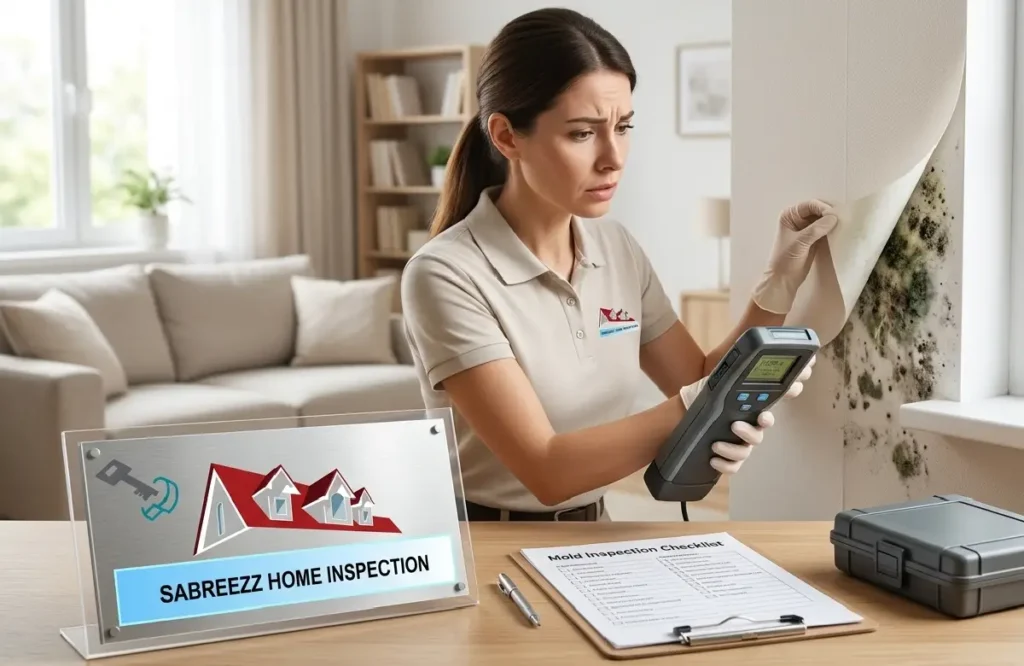
Florida has some of the worst mold problems in the country. Down in Miami or Jacksonville, mold spores thrive year-round. Chicago winters slow things down. But heated homes still have humid crawl spaces and leaky windows. Don’t think you’re safe.
A professional home mold inspection identifies the type and concentration. Then you know exactly what you’re breathing.
How a Professional Home Mold Inspection Works
Step by Step
First, we interview you. When did smells start? Any past water leaks? Anyone sick at home?
Then we inspect visually. We check every room. We open electrical outlets on exterior walls. We peek behind appliances. We use flashlights at low angles to see surface shadows.
Next comes moisture detection. Thermal cameras show cold spots. Those often hide wet insulation. Moisture meters read wood and drywall.
Finally, we may take air samples. These measure mold spores in your breathing zone. We compare indoor air to outdoor air. High indoor counts mean a problem.
After the home mold inspection, you get a full report. Photos. Moisture readings. Lab results if we tested. Then we recommend fixes. Sometimes it’s just fixing ventilation issues. Other times you need full remediation.
The Connection Between Water Leaks and Mold Growth
Water and mold are best friends. You don’t want that friendship in your house.
A tiny water leak behind your fridge can cause damage. Water drips slowly. Wood soaks it up. Mold starts growing within 48 hours. You never see it. But you smell it eventually.
Common leak spots in Chicago homes:
- Roof flashing around chimneys
- Window frames in old brick buildings
- Bathroom exhaust fans venting into attics
- Washing machine hoses (they burst often)
I’ve fixed dozens of these leaks in Lincoln Park and Wicker Park. Homeowners call me for smells. I found a pinhole leak in a copper pipe. Water dripped for months. The subfloor rotted. Mold spread up the wall.
A home mold inspection includes a full leak check. We run appliances. We have flush toilets. We watch your water meter. Don’t skip this step.
Mold Prevention Tips for a Safe Home Environment
Stop mold before it starts. Here are mold prevention tips that actually work:
Control humidity. Keep indoor levels below 60%. Use dehumidifiers in basements and crawl spaces. Chicago summers need them.
Fix leaks immediately. That drip under the sink? Fix it today. Don’t wait for the weekend.
Improve airflow. Open closet doors. Move furniture away from walls. Run bathroom fans during showers and 20 minutes after.
Clean your HVAC. Change filters every 3 months. Have ducts cleaned if you smell musty air.
Use mold-resistant products. Drywall, paint, and insulation with mold inhibitors cost a little more. Worth every penny.
Florida homeowners know these tricks well. In St. Petersburg or Fort Lauderdale, ventilation issues ruin homes fast. They run dehumidifiers 24/7. They seal crawl spaces completely. Chicago winters let you relax a bit. But spring and fall? Stay vigilant.
A safe home environment starts with prevention. Don’t wait for symptoms.
DIY Mold Testing Kits: Do They Work?
Here’s the honest truth. Store-bought mold test kits are mostly junk. You put a petri dish out for an hour. It grows stuff. But so does every home. Mold spores exist everywhere. Even clean homes have some.
Those kits can’t tell you:
- Where the mold is coming from
- How bad the infestation is
- Whether it’s toxic species
- If you have hidden moisture problems
I’ve seen homeowners panic over a kit result. They spend $500 on bleach and scrubbing. Two months later, the smell returns. Why? They never found the water leak behind the wall.
A professional home mold inspection costs $300 to $500. That’s cheap compared to misdiagnosing the problem. You get answers. Real ones. Not a fuzzy dish.
FAQ
How often should I schedule a home mold inspection?
Every two years is smart. Do it yearly if you’ve had past water damage. Florida homes often need checks every 6 months due to humidity.
Can I do my own home mold inspection?
You can look for visible mold and water stains. But you’ll miss mold inside walls. Professionals use moisture meters and thermal cameras.
What’s the average cost of home mold inspection in Chicago?
Most companies charge $300 to $500. Some include air sampling. Always ask what’s included before booking.
How long does a home mold inspection take?
Usually 2 to 3 hours for a typical Chicago bungalow. Bigger homes take longer. You get a written report within 24 to 48 hours.
Will mold always make me sick?
Not everyone reacts the same. But prolonged exposure increases risks. Kids, elderly, and people with asthma are most vulnerable.
Can mold grow inside my walls without any smell?
Yes. If the wall is sealed tight, odors stay trapped. You might only notice when you cut into the drywall for another reason.
What’s the difference between mold inspection and mold testing?
Inspection finds visible mold and moisture sources. Testing measures airborne spore levels. Many pros do both for a complete picture.
Conclusion
Your home should feel safe. Not musty. Not sneezy. Not mysterious. A professional home mold inspection finds the problems you can’t see. It protects your indoor air quality. It stops health risks from mold before they start.
I’ve crawled through hundreds of Chicago homes. From Jefferson Park to South Shore. The ones who catch mold early save the most money. They also sleep better knowing their air is clean.
Start today. Walk through your house. Sniff near baseboards and closets. Look for old water stains or peeling paint. If something feels off, contact Sabreezz Home Inspection for professional help. A home mold inspection costs less than one ER visit, and it keeps your family breathing easy.