
Critical Signs Your Home Needs Radon Testing
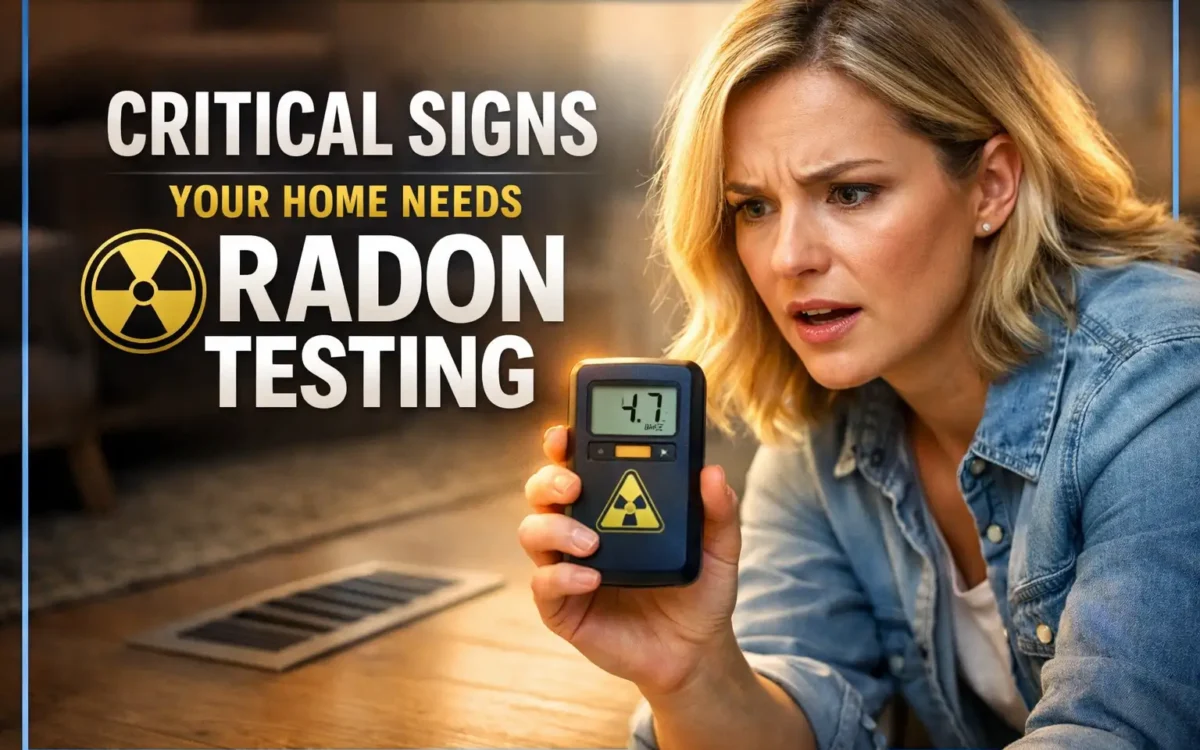
Proper home safety is one of the priority concerns of a homeowner. Although such factors as structural integrity and electrical systems frequently become the most important, one of the threats that can immensely affect the health of your family remains unseen, which is radon gas.
It is important to know the indicators that you need active radon detection for homes in order to ensure that the environment you live in is safe and healthy. In this reference, we are going to learn what radon is, why we should be concerned, and how it is possible to learn whether your house needs to be mitigated to ensure that it is safe for your health.
What is Radon?
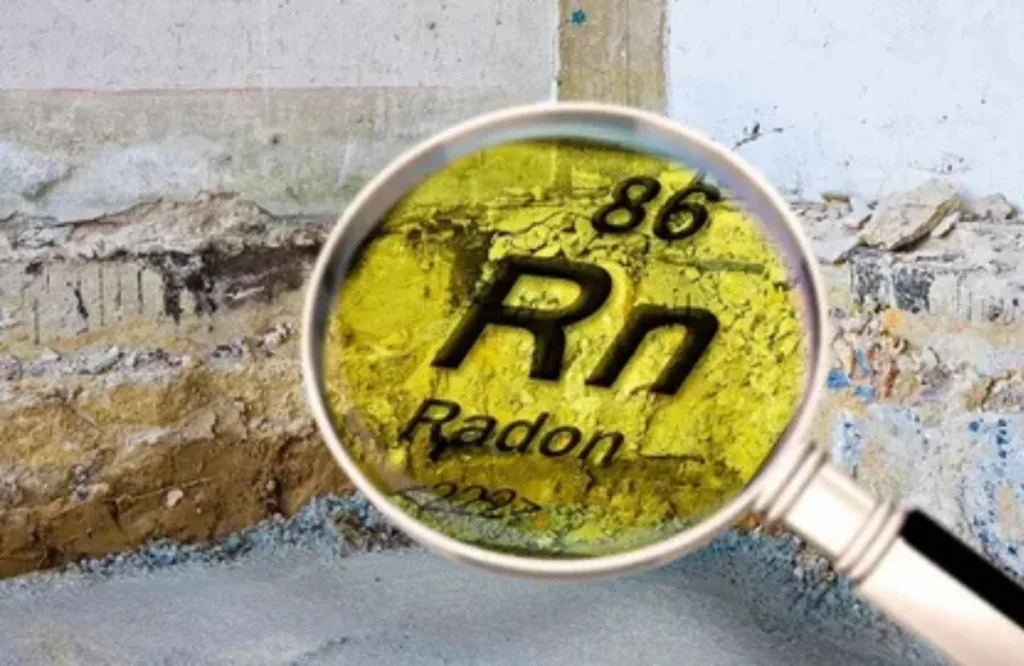
Radon is a natural, colorless, odorless radioactive gas that is a result of uranium breakdown in the soil, rock, and water. It may creep into buildings via cracks and fissures in the foundation, and collect to hazardous levels for health. The fact that radon cannot be detected by human senses means that testing is the only way of knowing whether your home has high levels of radon or not.
Why is Radon a Serious Issue
High concentrations of radon over a long period of time may cause severe illnesses, chiefly lung cancer. Indeed, smoking is not the number one cause of lung cancer, but rather radon. The Environmental Protection Agency (EPA) estimates that thousands of deaths all over the world are caused annually by radon.
Indications That Radon Testing and Mitigation Could Be Necessary in Your Home
The initial step in making sure that your home has a safe living environment is detecting the amount of radon in your home. Although radon is not visible nor does it have any odor, some signs may indicate its excess. The following are the major signs you need a radon test:
Living Below Ground Level
Basemented or underground living houses are vulnerable to increased radon levels. Soil is a conduit through which the radon gas moves, thereby increasing the ability of the gas to creep into the underground spaces.
Fissures in Foundation or Walls
Radon gas can easily penetrate visible cracks in the foundation or walls. These construction gaps not only harm the integrity of your home but also make it easy to allow radon to enter through the construction of the soil around.
Continuous coughing or breathing problems
Although this is not a decisive indicator, a rise in the number of unexplained respiratory issues among the members of a household could be attributed to long-term exposure to radon. When your family has been having chronic coughing, headaches, or any other respiratory condition, and there is no apparent reason, then it is high time to test for radon.
Previous High Levels of Radon
In case your house has been highly tested for radon, it is imperative to mitigate it. Although not necessarily recent, knowing your home would have had tests on its radon levels over the years would assist you in determining whether or not mitigation measures should be put in place.
Moisture Problems or Leaks in the Foundation
Radon can be enhanced by moisture issues in the foundation. Wetness or leakages provide an ideal environment to allow the intrusion of radon gas and its entrapment in your house.
Older Houses and Buildings
Homes of older age have fewer ventilation systems, and therefore, it is easier to accumulate radon inside the house. The radon effect is potentially reduced in modern homes with effective ventilation systems; however, testing remains to be advised.
The Significance of Radon Detection for Homes
Since radon cannot be seen and it has no smell, the only sure way to know whether it is present in your house and at what level is through a test. It is important to do regular radon testing by experts, particularly when you exhibit any of the mentioned signs. According to the EPA, you should install a radon mitigation system in your home where the radon level is 4 picocuries per liter (pCi/L) or more.
What is the Duration of the Testing?
Radon testing is not difficult, and it can be performed by means of short-term and long-term test kits. Short-term tests will usually take between 2 and 7 days, whereas the long term tests may take as long as a year to give a more accurate mean radon level.
Types of Radon Test Kits
- Charcoal Detectors: These are inexpensive devices that can be used to quickly detect radon gas and can be used to conduct short-term testing.
- Electret Ion Chambers: These offer a compromise between long-term and short-term testing and are more accurate.
- Continuous Radon Monitors: These are ideal to be used in the long-term testing as they provide accurate data over a long period.
Radon Mitigation Solutions
In case your home has been tested to have high levels of radon, there is a need to mitigate it to ensure that it falls to safe levels. A few efficient techniques can reduce the level of radon, which will result in a healthier environment to live in:
Sub-Slab Depressurization
This is the most widespread and efficient way of radon mitigation. It is provided by installing a vent pipe system and a fan, which blows radon underneath the house, and forces it outside, without using windows and doors.
Sealing Cracks and Openings
Although not a solution in itself, sealing visible cracks and openings in the foundation can be used to provide a better effect to other mitigation plans by limiting the entry of radon.
Improved Ventilation
Dilution of radon by increasing the amount of air in your house can be done. It can be done by such methods as installing more vents or exploiting existing HVAC systems better.
Crawl Space Ventilation
In houses that have crawl spaces, a ventilation system can be installed to ensure that radon does not build up under the floors of the houses and permeate the living rooms.
Conclusion
Radon is one of those threats that are invisible, and therefore, you need to take care of it to live a healthy life. By becoming aware of the critical radon testing signs that point to the fact that your home requires radon mitigation and resorting to the services of a professional, you are taking a crucial step to ensure the health of your family members. At Sabreez Home Inspection, we will ensure to offer you the best quality of radon inspection services that can offer you peace of mind and a safer home.
FAQs
What is the safe concentration of radon at my house?
According to the EPA, the radon level should be considered to be threatening in case it is 4 pCi/L or more. Nevertheless, even concentrations lower than 4 may be dangerous to health, and hence the lowest possible concentration should be pursued.
Does insurance cover radon testing?
Radon testing and mitigation may be covered by some insurance. Your insurance company may have specific details on coverage; it would be best to verify with the insurance company.
Is it possible to self-test and self-mitigate radon?
Although DIY kits can be found for radon testing in homes, professional inspection is recommended so that the results are correct. To achieve the best results, it is advisable to engage professional people who are qualified.