

Chicago Multi Family Deals: What Inspectors Must Uncover
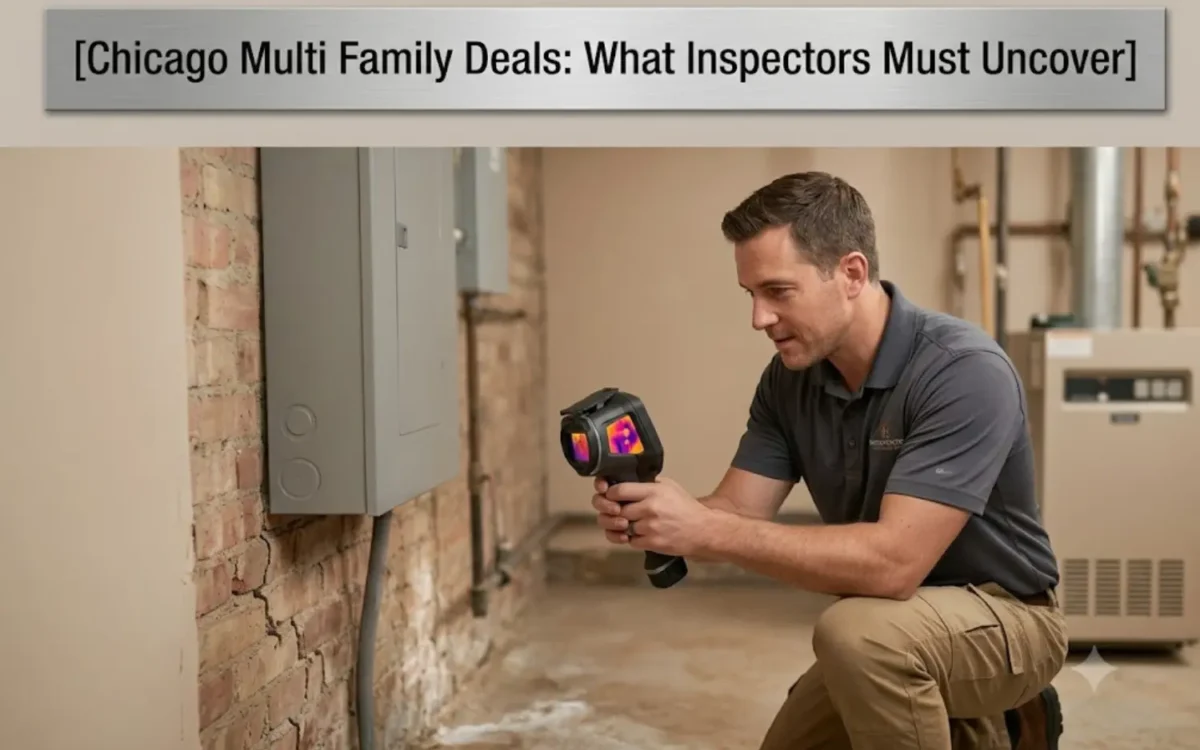
If you’re investing in Chicago multi-family real estate, a standard property inspection isn’t cutting it. Not even close. Multi-family homes need deeper digging. Inspectors rush through. They miss structural problems, deferred maintenance, and cash flow killers. Stuff that costs you thousands.
In competitive markets like Chicago, getting the inspection right means the difference between profit and disaster. Period.
This guide breaks down what inspectors must uncover on multi-family deals. And what they usually miss.
Understanding the Multi-Family Inspection Challenge
Here’s the thing. Multi-family real estate is different. You’re not buying one roof. You’re buying four. Or six. Or twelve. You’re not managing one HVAC system. You’re managing multiple units with separate mechanical systems, electrical panels, and plumbing.
One overlooked foundation crack It affects dozens of tenants.
The stakes are higher because these deals generate real estate cash flow. Miss deferred maintenance in your inspection, and that rental income goes straight to repairs. Property maintenance costs balloon. Foundations crack. Roofs leak. Suddenly your numbers don’t work anymore.
That’s why thorough inspection protocols exist. And why do so many inspectors skip corners anyway.
Chicago makes it worse. Many multi-family buildings are ancient. Early 1900s. They’ve survived decades of winters, tenant turnover, and deferred maintenance. Problems hide inside walls, beneath concrete, in mechanical systems. Nobody sees them until something breaks.
Structural and Foundation Issues That Kill Deals
Foundation problems keep real estate investors awake. That’s the fear that matters most. On a multi-family home, foundation damage doesn’t just wreck one unit. It destabilizes the entire building.
Inspectors must check the foundation perimeter. Look for horizontal cracks they’re normal. Concrete moves. But vertical cracks That’s different. That’s structural movement. Stair-step cracks in brick or foundation walls mean serious settling.
Chicago buildings sit on clay soil. Foundation movement is almost expected. But there’s normal movement. And then there’s the kind that costs you six figures in underpinning work.
Check the basement or crawlspace where walls meet the foundation. Water stains. Mineral deposits. Active seeping. Wet basements on multi-family properties mean tenant moisture problems down the line. One flood in the basement means water damage, mold, and angry renters across multiple units.
White, chalky coating on foundation walls That’s efflorescence. Water moving through concrete. Doesn’t mean immediate failure, but it signals ongoing moisture migration. In Chicago, spring snowmelt and heavy rain are predictable. So foundation dampness becomes a maintenance priority fast.
Horizontal reinforcement in the foundation matters too. Older Chicago buildings sometimes skip it entirely. A professional inspector tests foundation integrity and spots where structural improvements are needed.
Roof Systems and Water Intrusion Points
Your roof is your first defense. It’s also your most vulnerable point. Roof failure on a multi-family home affects every tenant below. Water gets in. Framing rots. Insulation gets compromised. Mold grows in walls. Tenant ceilings start leaking.
Inspectors need to evaluate roof age, material, condition. How old is it Asphalt shingles last maybe 15–20 years. In Chicago’s freeze-thaw cycles, they fail faster. Metal roofing lasts longer. But it needs proper flashing maintenance. Flat roofs They’re common on multi-family buildings. They require meticulous drainage. No shortcuts.
Check the flashing. Where the roof meets chimneys. Vent pipes. Walls. Most roof leaks come from flashing failures. On multi-family properties, one bad flashing detail compromises multiple units. Inspectors photograph all roof penetrations. They note where sealant is cracked, missing, deteriorating.
Gutters and downspouts matter more than people think. Clogged gutters back up water into walls. Downspouts dumping water at the foundation instead of away from it That increases basement moisture fast. Proper drainage directly protects your cash flow.
Interior ceiling stains don’t always mean active leaks. But they tell a story. Past water intrusion. Maybe ongoing issues. Inspectors photograph them and investigate before concluding they’re old history.
Mechanical Systems: HVAC, Plumbing, and Electrical
Multi-family buildings have complex mechanical systems. A single-family home has one boiler. A six-unit building might have six separate heating systems. Or one central boiler serving everyone. The configuration determines your maintenance costs and tenant satisfaction.
HVAC in older Chicago buildings shows its age. Cast-iron boilers can run 50+ years if maintained. But efficiency drops. Repair parts get scarce. Inspectors evaluate whether replacement is coming soon or if the system can reliably serve another 5–10 years. Unexpected HVAC failure on a multi-family property means cold tenants and expensive emergency calls. Not fun.
Water heaters. Tankless systems minimize energy waste but cost more to replace. Tank systems are cheaper upfront, less efficient. On multi-family properties, the choice affects long-term budgets.
Plumbing in older Chicago buildings presents challenges. Cast-iron drain lines corrode from inside out. Galvanized water lines fail with age. A property inspection should identify pipe material and how much life is left. If cast-iron drains are nearing end-of-life, budget for replacement. Backups and blockages trap water in tenant units. It’s expensive and messy.
Electrical panels reveal system capacity and safety. Undersized panels limit renovations. Outdated breakers create fire risk. Many Chicago buildings still use fuses. Modern tenants expect modern electrical. Outdated systems become liability issues fast.
Exterior Walls, Windows, and Weather Barriers
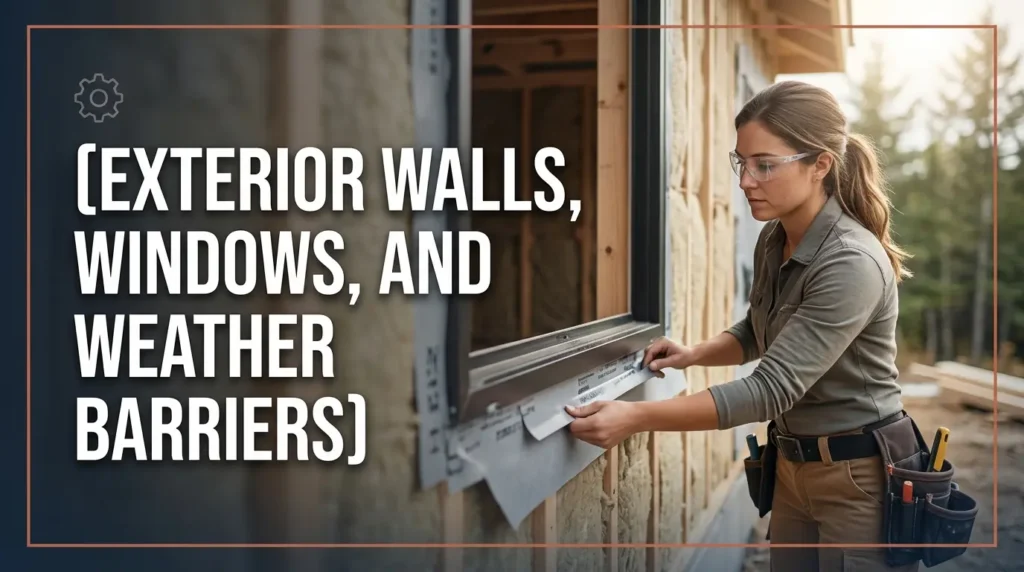
Chicago winters are brutal. Building exteriors need to seal tight against wind, snow, temperature swings. Inspectors examine brick mortar joints, window seals, door frames. These are where weather gets in.
Brick deterioration varies. Historic Chicago brownstones have softer brick than modern builds. Mortar joints fail before brick, which is actually good. Mortar’s cheaper to replace. But if brick itself is damaged, spalling, deteriorating Repair costs jump fast.
Windows in multi-family buildings take a beating. Single-pane windows from the 1950s waste energy like crazy. Replacement is usually part of the long-term plan. Inspectors note window condition and help estimate replacement timing.
Weather barriers and caulking seal gaps. Where walls meet roofs. Where walls meet foundations. Other structural elements. Failed caulk lets water behind exterior surfaces where it causes hidden damage. Real hidden damage the kind you don’t see until mold appears. A thorough inspection includes examining and photographing all exterior sealant.
Unit Interiors and Systems
You need to evaluate individual units. Flooring, cabinets, fixtures they impact rental income. Worn-out kitchens and bathrooms limit rent potential and tenant appeal.
Check unit-by-unit mechanical systems. Does each unit have separate HVAC Separate water heating Or does one system fail and wipe out multiple tenants The answers determine maintenance responsibilities and tenant relations.
Plumbing fixtures show age and functionality. Old cast-iron radiators might be charming, but they’re expensive to maintain. Modern renters expect contemporary amenities. Bathroom and kitchen fixtures set rental expectations.
Flooring matters. Aesthetically, sure. But also for safety and liability. Water-damaged subfloors create liability issues. Cracked tile is a tripping hazard. Flooring replacement is common maintenance. But if every unit needs it Costs add up fast.
Environmental and Safety Concerns
Lead paint is critical on pre-1978 Chicago multi-family buildings. Federal law requires disclosure. Inspectors trained in lead identification help identify hazardous conditions and remediation needs. It matters.
Asbestos is another hidden hazard. HVAC insulation, floor tiles, roofing materials they sometimes contain asbestos. Identifying it prevents costly surprises and tenant health issues.
Mold. It thrives with moisture. Basements, crawlspaces, bathrooms are vulnerable. Visible mold signals water intrusion. Remediation can be straightforward or extremely expensive. Depends on scope.
Chicago Local Considerations for Multi-Family Deals
Chicago’s real estate market is competitive. Building codes vary by neighborhood. Historic districts have renovation restrictions. Water main breaks happen in aging neighborhoods. Understanding local infrastructure helps predict future issues.
Flooding is a real concern in some Chicago areas. Sump pump conditions matter more in flood-prone neighborhoods. Inspectors familiar with Chicago neighborhoods know which buildings face greater water risk.
Property tax assessments affect long-term cash flow. Buildings needing visible repairs may face higher assessments after upgrades. Understanding local trends helps frame inspection findings in Chicago’s unique market.
Creating Your Inspection Checklist
Property inspection requires a detailed protocol. Your checklist should cover foundation, structural, roof, mechanical, electrical, plumbing, exterior, interior, and environmental concerns. Photograph everything. Document measurements. Note what’s deferred. Note what’s actively failing.
Don’t use standard home inspection checklists. Multi-family real estate demands deeper investigation. If your inspector treats a six-unit building like a single-family home, you’re missing the picture. Your cash flow depends on complete information.
FAQ
What’s the difference between a standard home inspection and a multi-family property inspection?
Standard home inspections cover one living unit and shared building systems. Multi-family inspections evaluate multiple units, their individual systems, plus common areas, commercial spaces, and complex building infrastructure. Multi-family buildings have more mechanical systems. More electrical panels. More plumbing lines. More potential failure points. A thorough inspection of multi-family real estate takes significantly longer and requires deeper expertise than single-family inspection. It’s just more complex.
How often should I have my Chicago multi-family building inspected?
After purchase, most investors inspect annually or semi-annually. Properties with structural concerns Every six months. Seasonal inspections before winter help identify water intrusion risks before heavy snow hits. Real estate cash flow improves when you catch problems early. Regular property inspection protocols work.
Are foundation cracks in Chicago multi-family buildings always serious?
Not always. Horizontal cracks in concrete are normal. Vertical cracks, stair-step patterns, cracks wider than 1/8 inch Those signal potential movement. Moisture seeping through cracks means ongoing water intrusion. A structural engineer should evaluate anything beyond minor cosmetic cracking. Chicago’s clay soil causes predictable settling. Some movement is expected. But pattern and progression matter.
What mechanical systems cause the biggest problems in Chicago’s older multi-family buildings?
Cast-iron boilers and drain lines fail predictably after 50+ years. Galvanized water lines corrode. Older electrical panels can’t handle modern loads. Flat-roof drainage fails without meticulous maintenance. Any building over 40 years old needs mechanical evaluation before you commit. Don’t skip this step.
How do I estimate property maintenance costs after inspection?
Document everything. Photographs, notes, measurements. Get contractor quotes for major items roof replacement, boiler replacement, electrical upgrades. Budget 5–10% of gross rental income annually for property maintenance on multi-family real estate. Older buildings cost more. Your inspection findings should feed directly into maintenance budgeting and pricing decisions.
Can I skip professional inspection on a multi-family deal in Chicago?
Not an option. This is where you don’t cut corners. One overlooked foundation issue or structural problem costs more than the inspection fee. Insurance companies and lenders require inspections anyway. A thorough inspection protects your investment and keeps your cash flow projections realistic.