
Radon Testing: Why Every Homeowner Should Check Levels
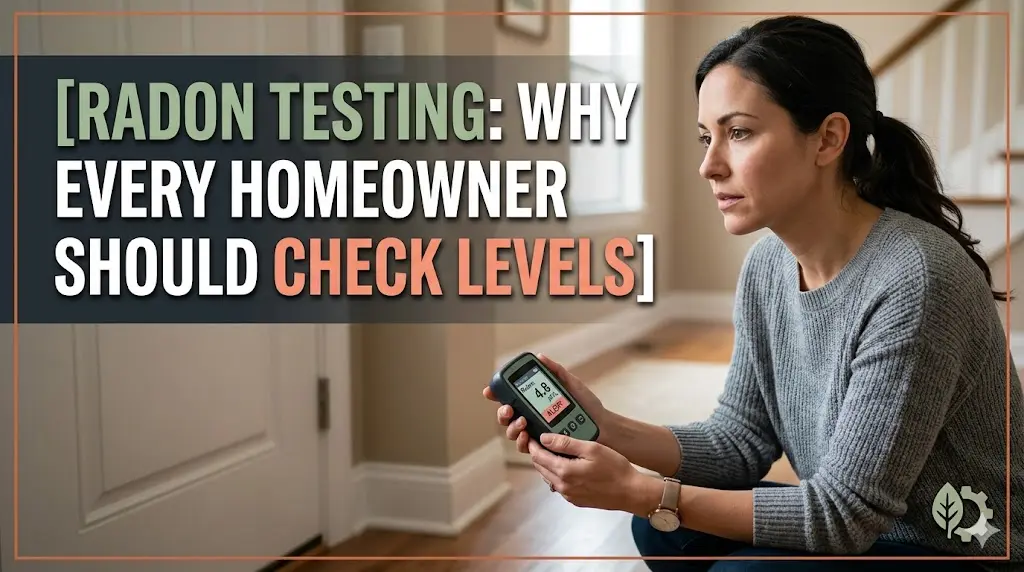
Every homeowner wants a safe and healthy environment for their family. We invest in advanced smoke detectors, security cameras, and water filtration systems to protect our households from clear, visible dangers. However, an invisible, odorless, and tasteless gas might be seeping into your living spaces right now. Professional radon testing provides the only reliable way to find out if this dangerous, radioactive gas is trapped inside your home.
Radon does not care if your house is brand new or a hundred years old. It builds up silently inside all types of properties, from large luxury estates to small suburban homes. Because you cannot see, smell, or taste it, you cannot rely on your senses to keep you safe. Understanding this environmental risk and booking a professional radon inspection is the smartest choice you can make to protect your family’s long-term health and ensure total peace of mind.
What is Radon and How Does it Enter a House?
Radon is a radioactive gas that comes directly from the ground beneath our feet. It forms naturally when radioactive metals like uranium, thorium, and radium decay in rocks, soil, and groundwater. Because uranium is found in small amounts all over the Earth’s crust, radon gas is constantly being produced everywhere.
When radon gas is released into the open air outside, it mixes with the massive atmosphere, dilutes rapidly, and becomes completely harmless to humans. The serious problem happens when we build a home on the soil. Buildings trap the rising gas, allowing it to collect in high concentrations.
Houses act like giant vacuum cleaners because of pressure differences. The air pressure inside your house is typically lower than the pressure in the soil surrounding your foundation. This creates a vacuum effect. Through a process called vapor intrusion, the building literally sucks the radon gas inward through any available opening. The gas enters your home through:
- Microscopic cracks in concrete slab floors and foundation walls.
- Large gaps around plumbing pipes, sump pumps, and floor drains.
- Construction joints where the walls meet the floor.
- Hollow spaces inside concrete block walls.
- Exposed soil in unfinished crawlspaces or basements.
Once it gets inside the structure, the gas has nowhere to go. It traps itself in your lower rooms and builds up to dangerous levels over time, contaminating the indoor air quality that your family breathes every single day.
The Serious Health Risks of Radon Exposure
Breathing in elevated radon levels over a long period can cause severe, irreversible health problems. When you inhale, radon gas breaks down into tiny, solid radioactive particles. These particles settle deep into your lung lining, where they continue to decay. As they decay, they release small bursts of radiation called alpha particles. This localized radiation damages your lung cells, disrupts your DNA, and can eventually cause the cells to mutate and form cancerous tumors.
The Environmental Protection Agency (EPA) and the World Health Organization (WHO) classify radon as a Class A known human carcinogen. This means there is definitive scientific proof that it causes cancer in humans. In fact, radon stands as the number one leading cause of lung cancer among non-smokers in the United States, and the second-leading cause overall, right behind cigarette smoking. It contributes to more than 21,000 lung cancer deaths every single year.
+———————————–+———————————–+
| Environmental Hazard | Annual U.S. Mortality Rate |
+———————————–+———————————–+
| Radon Gas Exposure | Over 21,000 deaths per year |
| Drunk Driving Incidents | Approx. 13,000 deaths per year |
| Home House Fires | Approx. 2,500 deaths per year |
+———————————–+———————————–+
What makes this health risk assessment so terrifying is the long latency period. Radon exposure does not cause immediate warning signs like coughing, wheezing, headaches, or watery eyes. The cellular damage accumulates silently over ten to thirty years, often revealing itself only after severe, advanced lung cancer has already developed. A professional radon inspection is the only tool available to warn you before the damage is done.
Is a Radon Inspection Necessary for Your Home?
Many property owners believe a dangerous myth: they assume they do not need a radon inspection if their house does not have a traditional basement. This assumption is factually incorrect and can put your family at risk. Radon can build up to hazardous levels in homes built on concrete slabs, homes with open crawlspaces, or multi-level split foundations. Since the gas comes directly from the dirt under your house, any floor or room that touches the ground is a potential entry point for the gas.
You should also never assume your house is safe just because your neighbor’s house tested low. Radon levels depend entirely on local geology and how your specific home interacts with the soil. Soil composition can change drastically over just a few yards. Additionally, your neighbor’s house might have a tightly sealed foundation that deflects soil gas, while a tiny crack in your foundation pulls massive amounts of gas inside.
The structural design, ventilation rates, and lifestyle habits of a household also affect how gas accumulates. For example, a home that keeps windows closed year-round or runs a powerful exhaust system might draw in more gas than a house with natural cross-ventilation. Ultimately, relying on guesswork or neighboring data is a gamble. Comprehensive property testing is the only objective, scientific method to know the truth about your own indoor air.
How Professionals Measure Radon Levels
Certified inspectors measure radon concentrations using a unit of measurement called picocuries per liter (pCi/L). A picocurie represents one-trillionth of a Curie, which measures the rate of radioactive decay. The EPA strongly recommends that homeowners take immediate action to fix their home if their property testing reveals radon levels of 4.0 pCi/L or higher.
However, because no level of radiation exposure is entirely safe, the EPA also warns that levels between 2.0 pCi/L and 4.0 pCi/L still carry a health risk. Lowering your levels as much as possible is always the safest goal. Professional inspectors use two main testing methodologies to check your air:
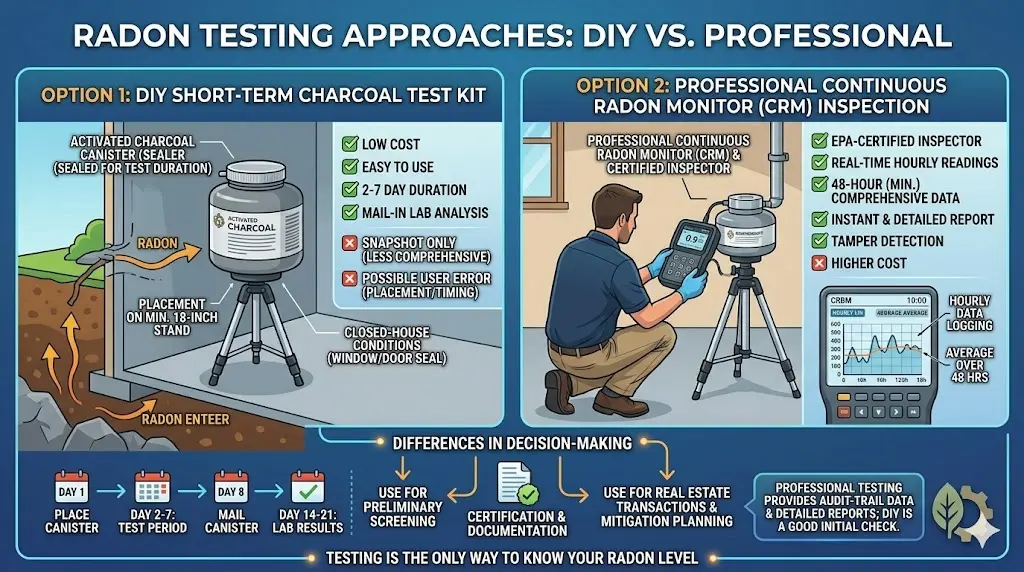
- Short-Term Testing: This initial screening lasts anywhere from 2 to 90 days, though most real estate transactions utilize a standard 48-hour test. Professionals usually deploy an active continuous radon monitor for this process. This advanced electronic device tracks radon levels hour by hour and notes changes in barometric pressure, humidity, and temperature. Because it records continuous data, it can easily detect if a window was opened or if the device was moved, preventing tampering. Passive short-term tools, like an alpha track detector or a charcoal canister, can also be used but they do not provide hourly data.
- Long-Term Testing: This evaluation stays in your home for more than 90 days, sometimes up to a full calendar year. It gives you a highly accurate average of your true annual exposure because it accounts for seasonal changes. Radon levels fluctuate wildly; they are often higher in the winter when the ground is frozen, and the house is sealed tightly, and lower in the summer when doors and windows are opened frequently.
How Much is a Radon Inspection and What Affects the Cost?
If you are buying a new home or managing an annual home maintenance budget, you probably want to know: how much is a radon inspection? On average, a standalone professional radon test costs between $150 and $350.
+———————————–+———————————–+
| Cost Factor | Impact on Total Price |
+———————————–+———————————–+
| Home Size & Foundation Type | Larger homes or homes with multiple foundation types require more testing devices. |
| Type of Testing Equipment | Continuous electronic monitors cost more than passive charcoal canisters. |
| Geographic Location | Local market rates and travel distance for the inspector affect pricing. |
+———————————–+———————————–+
While you can buy cheap DIY radon kits at a local hardware store, they often lead to highly inaccurate results due to user error. Homeowners frequently place them in the wrong spots—such as kitchens with high humidity or hallways with heavy drafts—or they fail to mail the kit to the laboratory before the chemical testing window expires.
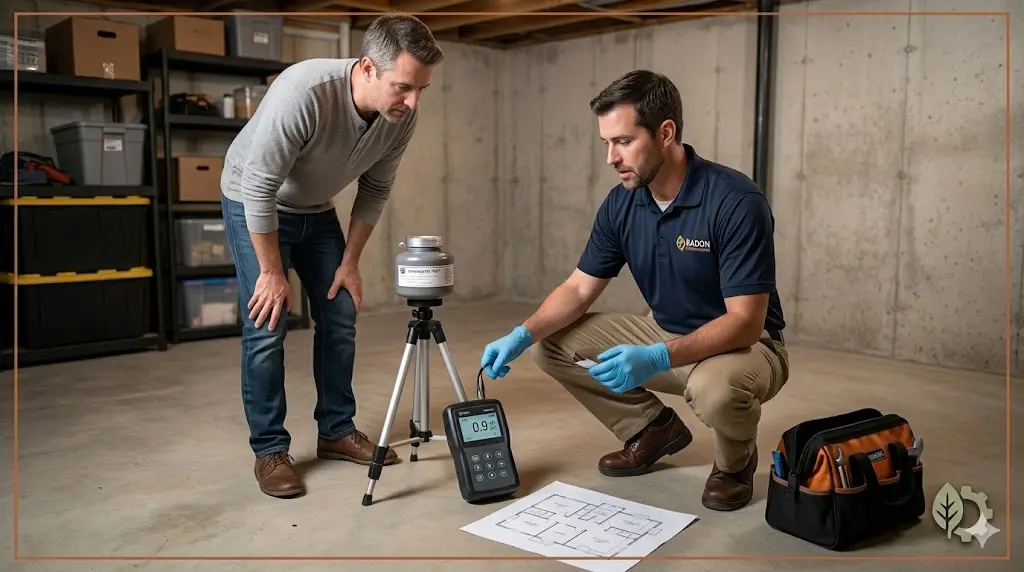
A professional inspector understands the exact EPA protocols. They know precisely where to place the monitors, how to maintain closed-house testing conditions, and how to interpret the laboratory data correctly. Given the severe lung cancer risks associated with an inaccurate reading, investing in a professional test provides invaluable accuracy and peace of mind.
How to Fix High Radon Levels Safely
If your property testing shows numbers above 4.0 pCi/L, you do not need to panic. High radon levels are a highly treatable environmental issue. A certified contractor can design and install a radon mitigation system to lower the gas concentrations quickly and permanently.
The most popular and effective method is an active soil depressurization system, which is commonly called a soil gas mitigation system. To set this up, a technician follows a clear, specialized process to change the pressure dynamics beneath your home:
- Drilling the Suction Pit: The technician drills a hole directly through your concrete foundation floor into the dirt or gravel underneath.
- Creating the Pit: They dig out a small amount of soil beneath the hole to create a “suction pit” where gases can gather.
- Running the PVC Vent Pipe: They insert a PVC pipe into the hole and run it vertically up through the interior of the home or along the exterior wall.
- Installing the Fan: They mount a specialized, weatherproof inline fan onto the pipe, usually in the attic or outside the house, to create continuous suction.
- Venting Above the Roof: The pipe extends completely past the roofline so the fan can pull the radon gas out of the ground and vent it safely into the open sky, far away from any windows or doors.
Important Note: A proper mitigation plan also involves sealing every foundation crack, concrete joint, and sump pump lid with specialized caulking. This stops the vacuum from pulling air out of your heated rooms and makes the fan system work much more efficiently.
Prioritizing Total Home Health and Safety
Protecting your household requires looking at the big picture of environmental health and property maintenance. Just like you hire an expert team like Sabreezz Home Inspection to analyze your roof, check your electrical wiring, or search for mold, you must also look after the hidden parts of your indoor environment.
True safety means looking at your home as a complete, interconnected system. From validating that the air you breathe is free of radioactive gas to keeping your living spaces free of toxic structural defects, every maintenance step builds a stronger, healthier sanctuary for your loved ones. Taking charge of your property’s health today ensures a safer tomorrow for the people who matter most.
FAQS
What is a radon inspection, and how does it work?
A radon inspection is a professional test that measures the amount of radioactive radon gas in your indoor air. An expert places a calibrated electronic device or passive collector in the lowest livable area of your home for at least 48 hours to track the radiation levels.
How often should I test my home for radon gas?
The EPA recommends that you test your house every two years, even if you already have a mitigation system installed. You should also run a new test immediately if you renovate your home, remodel the basement, or install a new heating and cooling system.
Can a contractor fix high radon levels permanently?
Yes, a certified professional can easily fix high radon levels by installing an active soil gas mitigation system. This system uses a specialized fan and PVC pipes to pull the gas from under your foundation and vent it safely out into the sky above your roofline.
Does my standard home insurance pay for radon mitigation?
No, standard homeowners’ insurance policies do not cover radon testing or mitigation systems. Insurance companies view radon as a natural environmental hazard that falls under regular home maintenance responsibilities rather than sudden, accidental property damage.
Should I test a newly built home for radon?
Yes, new homes should absolutely be tested. While some modern homes are built with radon-resistant features, the construction process can still trap soil gases inside, and only an official test can verify if those passive features are working properly.
Secure Your Peace of Mind Today
Do not guess when it comes to your family’s health and lung safety. Reach out to Sabreezz Home Inspection today to set up a professional radon test for your house. Our expert team provides clear, accurate, and high-resolution reports so you can make informed decisions about your property. Let us help you put mind over matter and ensure that every single breath your family takes is completely safe, pure, and protected.