
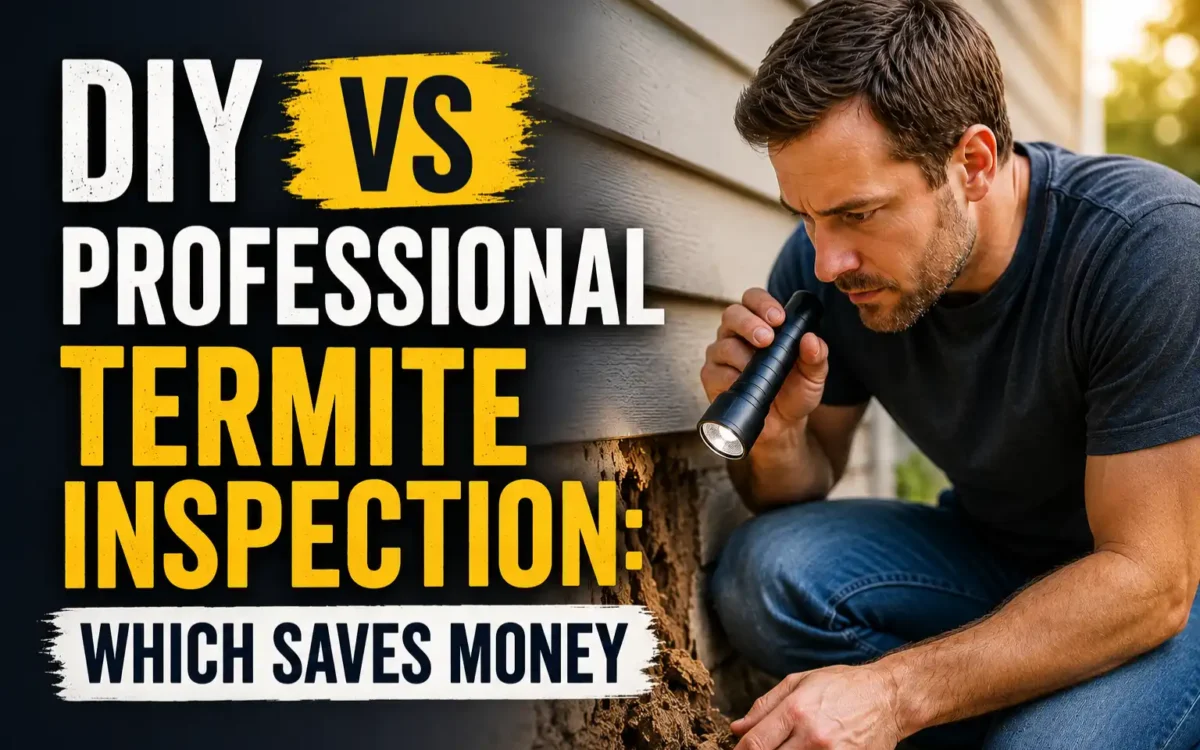
DIY vs Professional Termite Inspection Which Saves Money
The sound of a home settling at night is a common comfort for many homeowners, but for some, a faint, regular clicking within the walls can signal a much more expensive reality. Termites are often called silent destroyers because they can chew through the structural integrity of a house for years before the first visible indicators—like drooping floorboards or discarded wings—ever appear. This is why a Professional Termite Inspection is so important, helping to detect hidden activity early and prevent serious structural damage before it becomes costly.
When faced with the possibility of an infestation, the first instinct for a budget-conscious homeowner is often to grab a flashlight and a screwdriver to investigate the crawlspace themselves.
The debate between a DIY approach and hiring a professional often boils down to a single question: which one actually saves you more money. At first glance, the free price tag of a self-inspection is enticing.
However, when you consider the astronomical costs of structural repairs versus the relatively small termite inspection cost, the math begins to shift. Understanding the nuance of how to truly protect your investment requires looking past the immediate savings and evaluating the long-term financial risks of missing a colony.
The True Cost of Free The Risks of DIY Termite Detection
The main benefit of doing your own termite inspection is that you won’t have to pay a service charge up front. The concept of a free termite inspection—performed by you—seems like a financial win in a world where home maintenance expenses are continuously rising. A do-it-yourself enthusiast may use a termite inspection checklist, searching for hollow-sounding wood in the basement or mud tubes along the foundation.
But the margin for error is the hidden “cost” of do-it-yourself projects. Typically, termites don’t establish themselves in obvious places. They flourish in the inaccessible, moist, and dark spaces of a house’s skeleton. It is very simple to overlook a growing colony or confuse termite damage for water rot without specific training.
The “saved” money rapidly disappears as the colony continues to devalue the house if a do-it-yourself inspection is unable to find an active infestation. The repair bill can easily reach five figures by the time the damage is noticeable enough for an untrained eye to see, far exceeding the cost of a professional termite inspection.
What Happens During a Professional Termite Inspection Service?
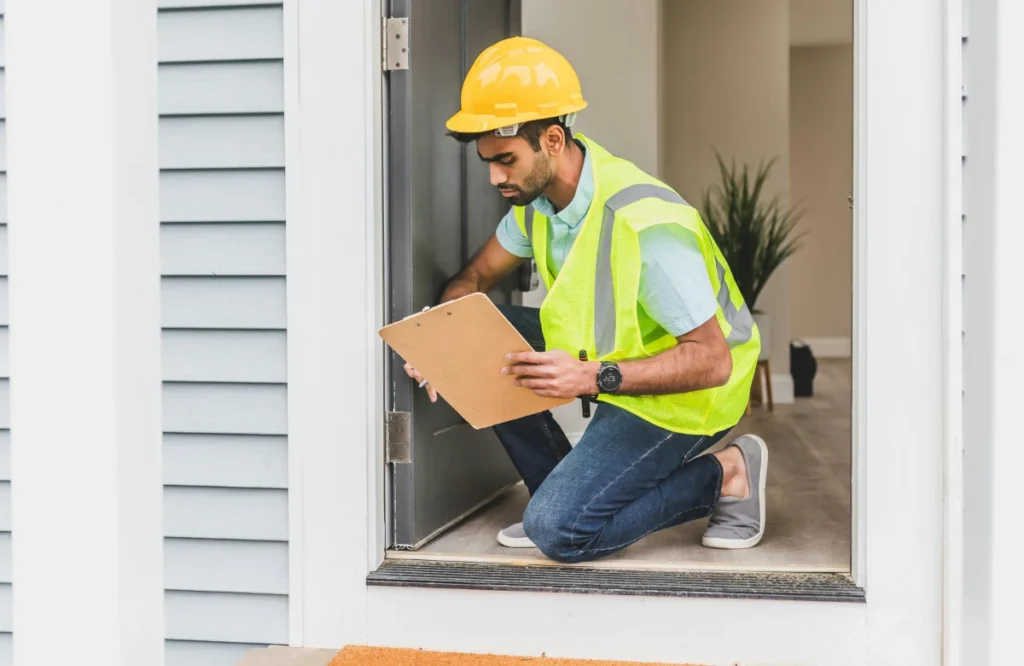
A professional termite inspection service is not merely a visual walk-through; it is a systematic termite risk assessment. Licensed inspectors are trained to understand the biology and behavior of different species, such as subterranean, drywood, or Formosan termites. While a homeowner might look at a pile of “dust” and sweep it away, a pro recognizes it as frass (termite droppings), a clear indicator of drywood termite activity.
Beyond visual cues, professionals utilize advanced termite detection methods that the average homeowner doesn’t have in their garage. This often includes thermal imaging inspection, which can detect heat signatures or moisture pockets behind drywall that suggest a living colony.
They also examine the property’s exterior, looking for termite prevention methods that may have failed, such as wood-to-ground contact or improper drainage that creates a termite-friendly environment. The resulting termite inspection cost report provides a comprehensive map of the home’s vulnerabilities, offering a level of certainty that a flashlight and a Google search simply cannot provide.
Specialized Equipment and Expertise
When considering how much a termite inspection cost, it is important to factor in the technology involved. Professionals often use:
- Moisture Meters: To identify damp areas where termites are likely to congregate.
- Acoustic Emission Devices: Which can detect the sound of termites gnawing inside wood.
- Borescopes: Small cameras that can see inside walls through tiny, inconspicuous holes.

Comparing the Financials: Immediate vs. Long-Term Savings
To settle the “DIY vs. Pro” debate, we have to look at the hard numbers. The average cost termite inspection ranges depending on the size of the property and the depth of the search, but it is generally a nominal fee when compared to the value of the home. In some cases, homeowners might find a termite inspection bundled with other services, like a residential home inspection or a mold inspection, further driving down the per-service price.
On the other side of the ledger is the termite treatment cost and structural repair expenses. According to industry data, termites cause over $5 billion in property damage in the United States every year damage that is rarely covered by standard homeowners insurance.
If a professional identifies an issue early through early termite detection, the treatment might be localized and relatively inexpensive. If a DIY inspection misses the colony for three years, you may be looking at replacing floor joists, wall studs, and headers. In this light, the termite inspection cost acts as a form of “insurance” that prevents catastrophic financial loss.
Beyond the Foundation: Why Commercial Property Needs Professionals
The stakes are even higher for those seeking a commercial termite inspection. Commercial buildings often have complex architectural designs with hidden utility chases and extensive plumbing networks that serve as highways for termites. A DIY approach in a commercial setting is not just risky; it’s often a liability.
A licensed termite inspector makes sure that the business follows local building codes and keeps the value of its property high so it can be sold again in the future. Also, a professional pest inspection service can set up a termite monitoring system that protects you all the time, which a one-time DIY check can’t do. The goal for business owners isn’t just to save a few dollars today; they also want to make sure the “bones” of their investment stay strong for a long time.
How to Check for Termites at Home The Hybrid Approach
While a professional is essential for a deep dive, homeowners should still know how to inspect for termites as part of their routine maintenance. This isn’t meant to replace a pro, but to serve as an early warning system. Between professional visits, keep an eye out for:
- Mud Tubes: Pencil-sized tunnels made of soil and wood located on the foundation.
- Swarmers: Flying termites or discarded wings near windowsills and doors, especially after rain.
- Stuck Windows or Doors: Termite damage can cause frames to warp, making them difficult to open.
- Bubbling Paint: This often looks like water damage but can be a sign of termites tunneling just beneath the surface.
If you spot any of these signs of termite infestation, the “DIY” phase should immediately end, and a professional should be called to perform a foundation inspection for termites.
The Verdict: Which Choice Truly Saves Money?
In the short term, DIY is cheaper. In the long term, it is almost always more expensive. The value of a professional termite inspection service lies in its ability to provide a clean bill of health that is backed by expertise and technology. It moves the homeowner from a state of I hope everything is okay to “I know my home is protected.
When you account for the peace of mind, the detailed termite inspection report, and the prevention of massive repair bills, the professional route is the clear winner for anyone looking to maximize their savings and protect their equity.
Conclusion
Don’t leave your most valuable asset to chance. While DIY checks are a great habit, they cannot replace the precision of a certified expert. At Sabreezz Home Inspection, we provide thorough, high-tech inspections that catch what others miss. Whether you need a residential termite inspection, thermal imaging, or a sewer scope, our team delivers the clarity you need to save money and stay safe.
FAQs
How often should I have a professional termite inspection?
You should get a termite inspection once a year, especially in high-risk areas.
Does a home inspection include termites?
A standard home inspection usually does not include termites and needs a separate check.
How much does a termite inspection cost?
The cost varies by home size and location but is generally affordable compared to repair costs.
Can termites damage a house quickly?
Yes, a large termite colony can cause serious damage within a few months to a year.