
Black Mold Inspection: What It Is and Why Every Home Needs This
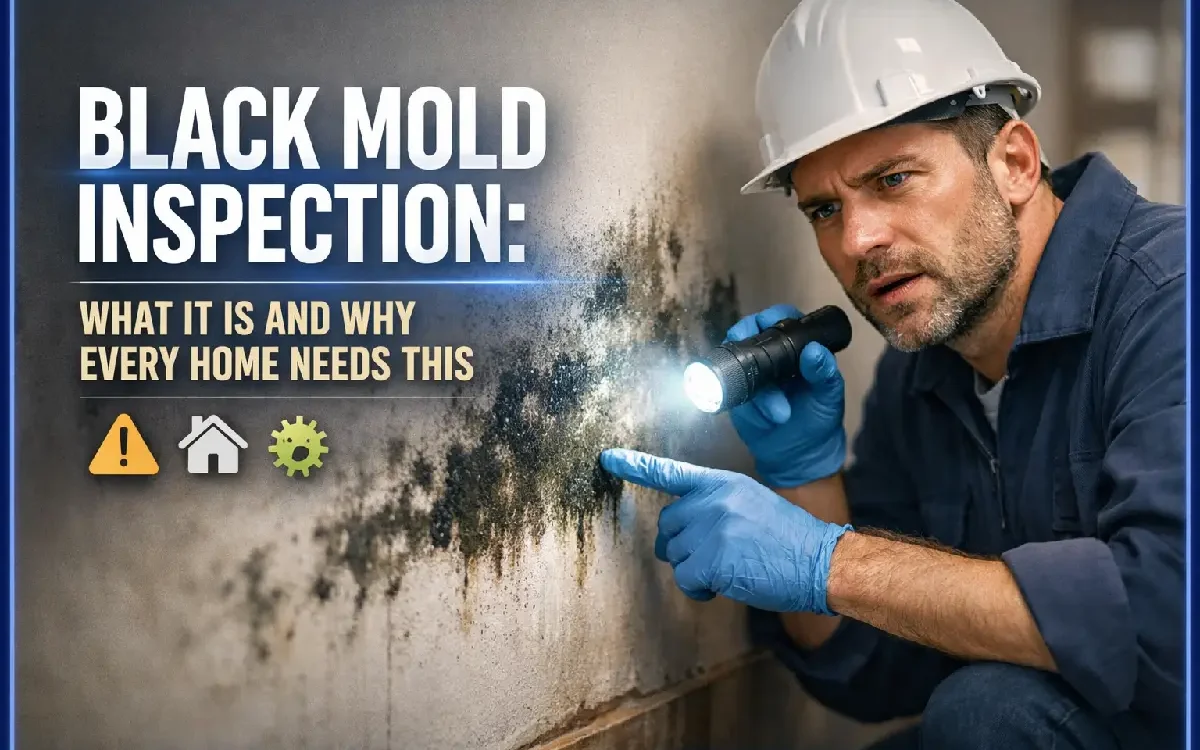
You hear “black mold” and panic. It’s understandable. The name sounds scary. But here’s the deal: not every dark mold is toxic. And not every toxic mold looks black. Confused yet? Most Chicago homeowners are.
Inspectors crawl through attics in Edison Park and basements in Bridgeport. The real danger isn’t the color. It’s the mold spores you breathe. A proper black mold inspection finds the truth. It separates scary stories from real threats. It protects your family’s indoor air quality. This guide walks you through what black mold actually is and why every home needs a professional look.
What Exactly Is Black Mold?
Black mold’s real name is Stachybotrys chartarum. It grows on materials with high cellulose content. Think drywall, wood, and paper. It needs constant moisture to survive. That’s why water damage feeds it so well.
Unlike regular mold, black mold produces mycotoxins. These chemicals cause respiratory problems and worse. Not everyone reacts the same. But kids and elderly folks face higher risks.

Florida homeowners know black mold well. In Tampa or Orlando, moisture problems never stop. Hurricane season brings flooding. Humid air keeps everything wet. Chicago has different challenges. Frozen pipes burst. Spring rains seep into basements. Summer humidity hits hard.
A black mold inspection identifies the species. Then you know what you’re dealing with. No guessing.
7 Early Signs of Mold You Should Never Ignore
Early signs of mold show up in obvious ways. Watch for these:
- Musty, earthy smells that won’t go away
- Black or green patches on walls, ceilings, or baseboards
- Water stains that grow after rain
- Peeling or bubbling paint
- Allergy symptoms only at home (sneezing, itchy eyes)
- Warped floors or soft spots near walls
- Condensation on windows that never dries
Many Chicago homeowners miss the smell. “It’s just an old house,” they say. Wrong. That smell means hidden mold somewhere. Your HVAC spreads spores everywhere.
In one case, a home in Norwood Park had a family with respiratory problems for years. Inspectors found black mold behind their basement drywall. A slow pipe leak fed it. A simple black mold inspection would’ve caught it early. Don’t wait for green fuzz.
Health Risks from Toxic Mold You Can’t Ignore
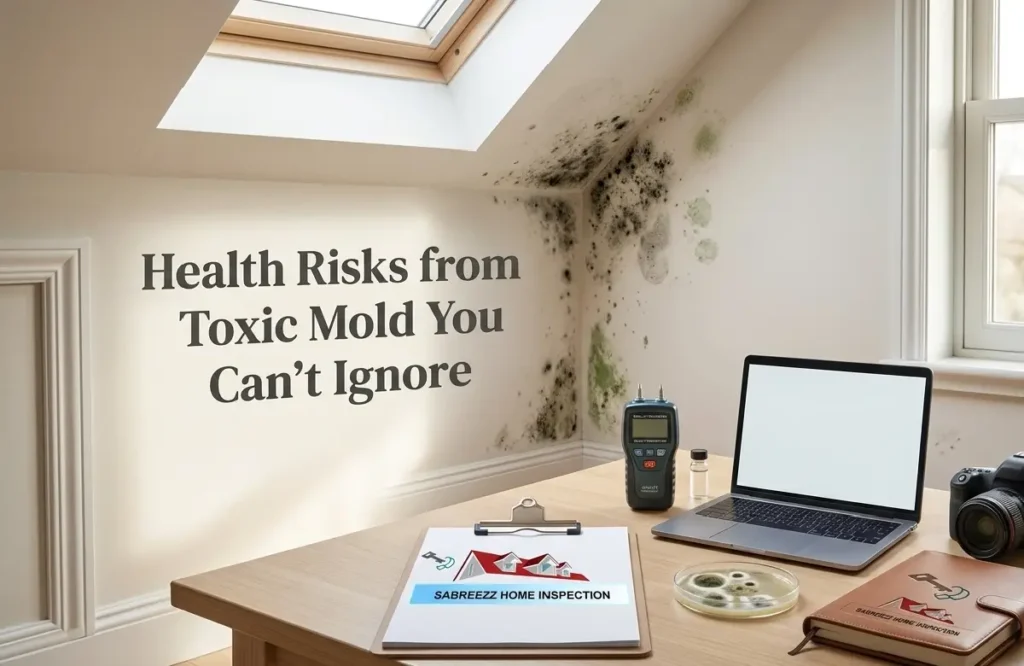
Health risks from mold range from mild to severe. Short-term exposure causes sneezing, coughing, and skin rashes. Long-term exposure gets worse.
Prolonged black mold contact leads to:
- Chronic sinus infections
- Asthma attacks (even in people without asthma)
- Brain fog and memory loss
- Nosebleeds
- Severe fatigue
Kids face the biggest danger. Their lungs are still developing. Elderly folks with weak immune systems also suffer. Professionals have seen families move out of Chicago homes for months. Remediation cost them $10,000 or more. But their health came back.
Florida has some of the worst black mold problems. Down in Miami or Jacksonville, toxic mold thrives year-round. Chicago winters slow mold down. But heated homes still have damp basements and leaky windows. A black mold inspection gives you peace of mind. You’ll know exactly what’s in your air.
Where Hidden Mold Loves to Grow
Hidden mold hides in plain sight. Check these affected areas in the home:
- Basement and Attic: These spaces stay dark and damp. Perfect for mold. Look behind stored boxes. Check insulation for dark spots.
- Behind Appliances: Refrigerators, washing machines, and dishwashers leak slowly. Water drips behind them for months. Mold grows without you seeing.
- Inside Walls: Leaky pipes inside walls create perfect mold conditions. You won’t see anything until the drywall bubbles.
- Under Sinks: Cabinet doors hide water damage. Open them. Smell for mustiness.
- Around Windows: Condensation on windows drips down. It soaks into wood frames. Black mold loves that wet wood.
Hidden mold is commonly found in all these spots across Chicago neighborhoods like Jefferson Park and Mount Greenwood. A professional black mold inspection uses moisture meters and borescopes. Inspectors see inside walls. You can’t.
Why You Need Professional Black Mold Inspection Services
DIY mold tests from the hardware store cause more panic than solutions. You set out a petri dish. Something grows. But mold spores exist everywhere. Even clean homes have some.
Black mold inspection services do real work:
- Visual inspection of every room and crawl space
- Moisture readings on all surfaces
- Thermal imaging to find cold, wet spots
- Air sampling to measure spore levels
- Lab analysis to identify specific species
After the black mold inspection, you get a detailed report. Photos show exactly what was found. Lab results tell you if it’s toxic. Then professionals recommend fixes.
Professionals perform hundreds of black mold inspections in Raleigh and Chicago. The process takes 2-3 hours. It costs $300-$500. That’s cheap compared to hospital bills or home repairs.
The Professional Inspection Process Step by Step
Here’s how a real professional inspection process works:
Step 1: Interview
Professionals ask about smells, leaks, and health symptoms. Your answers guide their search.
Step 2: Visual Check
Inspectors examine every room. They open electrical outlets. They peek behind heavy furniture.
Step 3: Moisture Detection
They scan walls and floors with thermal cameras. Cold spots often hide wet insulation. Moisture meters read wood and drywall.
Step 4: Air Sampling
They take air samples from your living space. They compare them to outdoor air. High indoor mold spores mean trouble.
Step 5: Lab Analysis
Samples go to a lab. They identify mold types within 48 hours.
Step 6: Report
You get a written report with photos and lab results. Professionals explain next steps.
Florida homeowners go through this process often. After hurricanes, black mold inspection services get booked solid. Chicago doesn’t have hurricanes. But you have spring floods and frozen pipes. Don’t wait for a disaster.
Moisture Control and Mold Prevention Tips
Stop mold before it starts. Here’s moisture control and mold prevention that works:
- Fix leaks immediately. That drip under the sink? Fix it today. Water feeds mold within 48 hours.
- Lower indoor humidity. Keep levels below 60%. Use dehumidifiers in basements. Chicago summers need them.
- Improve poor ventilation. Run bathroom fans during showers and 20 minutes after. Open closet doors. Move furniture away from walls.
- Clean gutters twice a year. Clogged gutters dump water next to your foundation. That water seeps into basements.
- Use mold-resistant products. Drywall, paint, and insulation with mold inhibitors cost a little more. Worth every penny.
Poor ventilation ruins homes fast. Florida homeowners know this well. In St. Petersburg or Fort Lauderdale, they run fans and dehumidifiers 24/7. Chicago winters let you relax. But spring and fall? Stay on guard.
A safe living environment starts with prevention. Don’t wait for symptoms or smells.
What If You Find Black Mold? Next Steps
Don’t panic. Don’t spray bleach. Bleach water adds more moisture. It makes the problem worse.
Here’s what to do:
Step 1: Stop the water source. Fix that leak. Dry the area completely.
Step 2: Call for a black mold inspection. Get professional testing. Know what you’re dealing with.
Step 3: Hire certified mold testing and remediation pros. Small patches (under 10 square feet) you can clean with soap and water. Anything bigger needs professionals.
Step 4: Remove and replace affected materials. Drywall, insulation, and carpet with mold go in the trash. You can’t save them.
Step 5: Fix the root cause. Install better ventilation. Add a dehumidifier. Regrade your yard.
Homeowners sometimes try cheap fixes. They scrub and paint. Three months later, the mold returns. Why? They never fixed the moisture problem. A black mold home inspection catches the cause, not just the symptom.
FAQ
How can I tell if mold is black mold or just regular mold?
You can’t tell by looking. Many dark molds aren’t Stachybotrys. Only lab testing confirms the species. That’s why a professional black mold inspection matters.
Is black mold always toxic?
Yes, Stachybotrys produces mycotoxins. But not everyone gets sick. Reactions depend on exposure length and your personal health. Kids and elderly face higher risks.
How much does a black mold inspection cost in Chicago?
Most companies charge $300 to $500 for a full inspection. Some include air sampling. Always ask what’s included before booking.
Can I get a free black mold inspection?
Some companies offer a free black mold inspection as a promotion. But “free” usually means a quick visual check only. Real testing costs money. Be wary of completely free offers.
How long does a black mold inspection take?
Plan on 2 to 3 hours for a typical Chicago home. Bigger houses take longer. You get lab results within 48 hours.
What should I do if my black mold inspection finds toxic mold?
Don’t panic. Call certified remediation pros. They’ll contain the area, remove affected materials, and clean the space. Then fix the moisture source permanently.
Can black mold grow inside my walls without any smell?
Yes. If the wall is sealed tightly, odors stay trapped inside. You might only notice when you cut open the drywall for another reason. Regular inspections catch this.
Conclusion
Black mold sounds terrifying. But knowledge kills fear. A professional black mold inspection tells you exactly what’s in your home. It finds hidden mold before it causes respiratory problems. It protects your family’s indoor air quality.
Professionals inspect hundreds of Chicago homes. From Rogers Park to Beverly. The ones who catch mold early save the most money. They also breathe easier. Literally.
Don’t wait for a musty smell to become a health crisis. Walk through your house today. Check under sinks. Look behind the fridge. Sniff near baseboards. If something feels off, call a pro.
Black mold inspection costs less than one month of asthma medication. It gives you a safe living environment for years. Ready to book? Call a certified inspector. They’ll check every corner. No scary stories. Just honest answers.