

Asbestos Disclosure Laws in Illinois Real Estate: What Chicago Buyers and Sellers Must Know
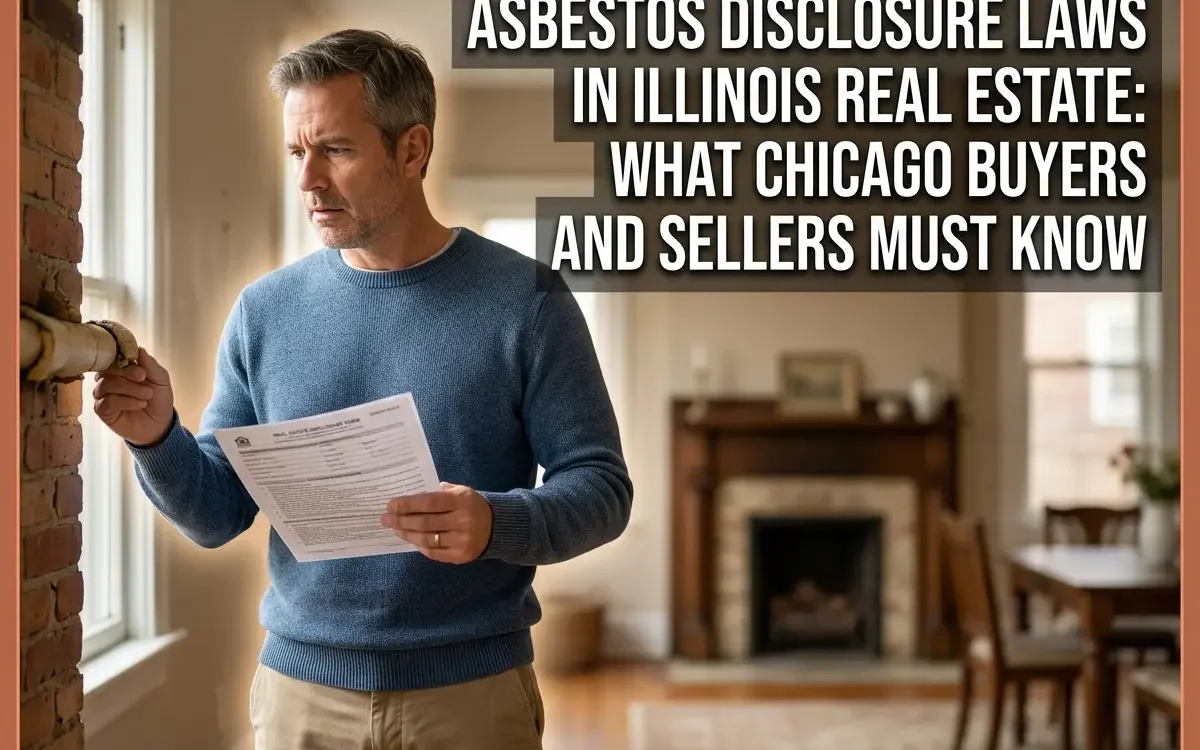
If you’re buying or selling a home in Chicago, asbestos might be on your radar. It should be. Illinois has specific rules about asbestos disclosure in real estate transactions. Knowing these rules protects you legally and financially.
Asbestos was used in thousands of building materials from the 1930s through the 1970s. Older homes in Chicago often contain it. The issue Disturbed asbestos creates serious health risks. That’s why Illinois law requires full transparency. Both sellers and buyers need to understand what disclosure means and what it requires.
This guide covers everything. We’ll walk through Illinois asbestos disclosure requirements, seller obligations, buyer protections, and what happens when you’re selling a home with asbestos. You’ll know exactly where you stand.
What Is Asbestos and Why Does It Matter in Illinois Real Estate?
Asbestos is a naturally occurring mineral. It was used in insulation, floor tiles, ceiling tiles, roofing materials, and pipe wrapping. Contractors loved it because it’s cheap, durable, and fire-resistant.
The problem emerged slowly. Inhaling asbestos fibers damages lung tissue. Over time, it causes mesothelioma, lung cancer, and asbestosis. These diseases don’t show up immediately. Someone might breathe in fibers today and get sick twenty years later.
In Chicago, many homes built before 1980 contain asbestos. Older commercial buildings too. When asbestos stays undisturbed—like under flooring or in walls—the risk is low. But renovations, demolition, or deterioration can release fibers into the air. That’s when it becomes dangerous.
Illinois real estate law treats asbestos seriously. The state recognizes that buyers deserve to know if their future home contains this hazard. Sellers must disclose it. Buyers need that information to make informed decisions. That’s the foundation of Illinois asbestos disclosure requirements.
Illinois Asbestos Disclosure Requirements for Sellers
In Illinois, sellers have a legal obligation to disclose asbestos. It’s not optional. The state’s Property Disclosure Act requires it.
Here’s what sellers must do. First, they need to fill out an official Property Disclosure Statement. This form asks about known asbestos in the home. Asbestos in insulation, tile, siding, roofing materials all of it needs to be disclosed.
The key word is known. Sellers must disclose asbestos they’re aware of. They don’t need to hire an inspector to dig through walls. But if they know asbestos exists, they have to tell the buyer.
What counts as knowing If a previous inspection found it. If contractors told them about it. If they saw it themselves. If they have any documentation mentioning asbestos, they must disclose it.
Failing to disclose asbestos in Illinois is a serious mistake. Buyers can sue sellers after purchase. They can claim fraud or breach of contract. The damages can be substantial. It’s far better to disclose upfront than face a lawsuit later.
The disclosure must happen early in the process. Ideally, sellers share the Property Disclosure Statement before the buyer makes an offer. Definitely before closing. Chicago real estate agents know this. Professional agents ensure sellers complete proper asbestos disclosure.
Some sellers worry disclosure will kill the deal. In reality, honesty protects everyone. A buyer who knows about asbestos can plan accordingly. They might negotiate a lower price. They might budget for professional testing or removal. An undisclosed problem discovered after purchase? That destroys trust and leads to legal action.
Illinois asbestos disclosure requirements also apply to builders and sellers of new homes. They must disclose any asbestos materials used in construction, even if it’s minimal.
What Chicago Buyers Need to Know About Asbestos
As a buyer, you have rights. Illinois law protects you by requiring sellers to disclose asbestos. Use that protection.
When you receive the Property Disclosure Statement, read it carefully. The seller should have marked boxes indicating whether asbestos is present. If they marked yes, that’s your signal to take action. If they marked “no,” you can still choose to hire an inspector.
Many Chicago buyers hire an Asbestos inspector before closing. This is smart. An inspector checks the home thoroughly. They look at insulation, tiles, roofing, siding, adhesives, and joint compounds. Professional testing costs $300 to $600, sometimes more for large homes. It’s money well spent.
Why Because not all asbestos is visible. Materials might contain asbestos without obvious signs. A laboratory can analyze samples. Professional testing gives you certainty.
Once you know what’s in the home, you have options. If the asbestos is stable and well-maintained, it might not require immediate removal. You can live safely around undisturbed asbestos. But if it’s deteriorating or you plan renovations, removal becomes necessary.
Asbestos removal in Chicago isn’t cheap. Costs range from $3,000 for small areas to $15,000 or more for whole-house abatement. That’s why many buyers negotiate. If asbestos is found, they ask sellers to remove it before closing. Or they request a price reduction to cover removal costs themselves.
You’re not stuck if asbestos is present. You just need information and a plan. Illinois asbestos disclosure laws exist to give you that information early.
Some buyers include asbestos contingencies in their offers. This means the purchase depends on professional testing or inspection results. If testing reveals extensive asbestos, you can back out without penalty. It’s a standard practice in Chicago real estate.
How to Handle Asbestos When Selling Your Home in Illinois
If you’re selling a home with asbestos in Chicago, don’t panic. Plenty of homes sell successfully despite containing asbestos. Transparency is your strategy.
Start by being honest on the Property Disclosure Statement. List any asbestos you know about. If you’re not sure what materials contain asbestos, say so. Uncertainty is better than silence.
Next, consider getting a professional inspection before listing. This accomplishes two things. First, you’ll know exactly what you’re dealing with. Second, buyers won’t suspect you’re hiding something. You can show the inspection report upfront.
Many sellers choose to remove asbestos before selling. This eliminates buyer concerns and can actually increase home value. A buyer won’t negotiate hard if there’s no asbestos to negotiate about. Removal costs money upfront, but it often sells the home faster and for more.
If removal is too expensive, price it in. Adjust your asking price to account for removal costs. Buyers will factor it in anyway. You’ll get a more realistic valuation.
Be proactive with your real estate agent. Tell them about the asbestos immediately. They can advise on local market conditions. In Chicago, does asbestos significantly impact sales? It depends on the neighborhood and the extent of the problem. Your agent knows.
Document everything. Keep records of inspections, removal quotes, or remediation work. If you hired professionals to remove asbestos, save that paperwork. Documentation shows you took the issue seriously.
When potential buyers ask about asbestos, don’t get defensive. Answer straightforwardly. Explain what you know. Explain what steps you’ve taken. Honesty builds confidence.
Some sellers offer warranties on asbestos-free areas. If you know certain materials are asbestos free, document it. This reassures buyers about parts of the home that are definitely safe.
Illinois asbestos disclosure requirements don’t stop you from selling. They just require honesty. Homes with disclosed asbestos sell all the time in Chicago.
Asbestos Removal and Remediation in Chicago
If asbestos is found, removal might be necessary. This depends on the type, condition, and location of the material.
Asbestos comes in two forms: friable and non-friable. Friable asbestos crumbles easily. Disturbing it releases fibers into the air. Non-friable asbestos is bound tightly into materials. It’s safer and poses less immediate risk.
Non-friable asbestos often doesn’t need removal. Pipe insulation, floor tiles, and some siding can remain undisturbed indefinitely. You just avoid activities that damage them. No renovations without professional guidance.
Friable asbestos is different. Insulation, acoustic ceiling, and pipe wrapping fall into this category. If it’s deteriorating, removal is typically recommended. Professional abatement contractors handle this.
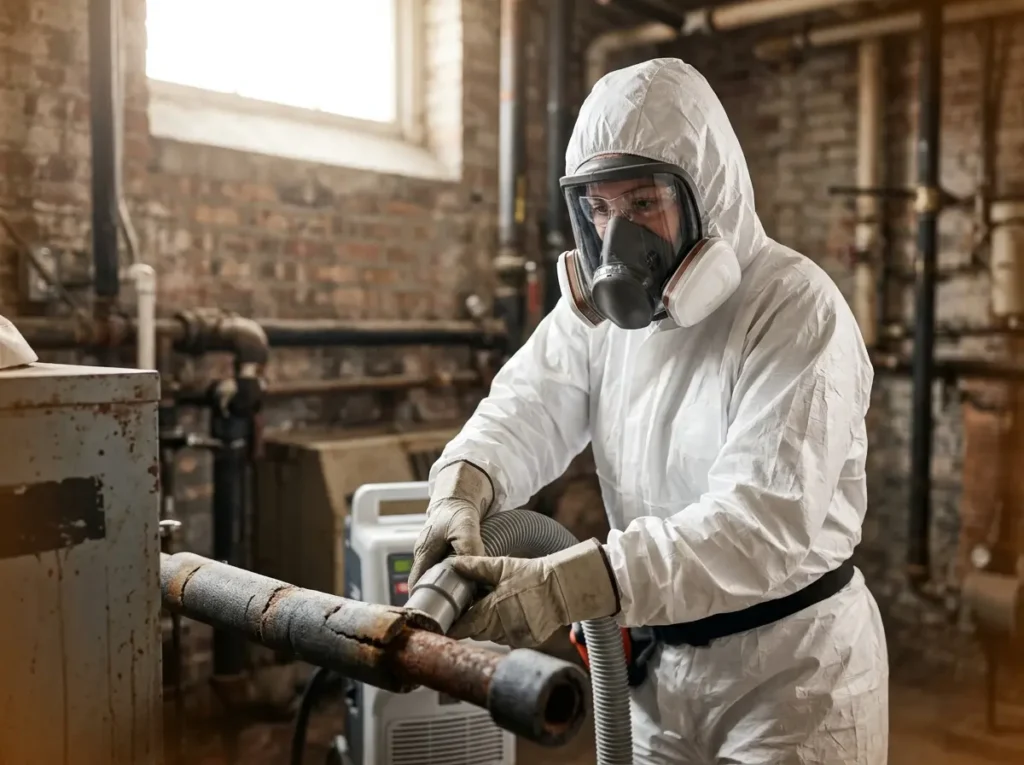
In Chicago, licensed asbestos contractors follow EPA guidelines. They use containment areas, negative pressure, and special equipment. The process is careful and regulated. Homeowners shouldn’t attempt removal themselves. It’s illegal in most cases and extremely dangerous.
The timeline matters too. If you’re selling quickly, you might not have time for removal. In that case, disclosure and negotiation become your path forward. Buyers can make their own decisions about remediation.
Post-removal, get documentation. The contractor provides abatement reports. Keep these. They prove remediation was done professionally. Future buyers (or their inspectors) will want evidence.
Costs, Liability, and Protection in Illinois Real Estate
Selling a home with asbestos in Chicago isn’t risk-free, but it’s manageable. Understanding the financial and legal side helps.
Asbestos removal is expensive. Small areas might cost $2,000 to $5,000. Larger projects run $10,000 to $20,000 or more. Some sellers budget for it. Others negotiate it away. The right approach depends on your situation.
Liability is real but avoidable. If you disclose asbestos properly, your legal exposure drops significantly. Failure to disclose is what creates lawsuits. Buyers can sue for damages, attorney fees, and inspection costs if you hide asbestos.
Illinois allows buyers to sue up to one year after discovery of non-disclosed asbestos. That’s a long window. Sellers can face substantial claims. Working with a real estate attorney helps protect yourself.
Title insurance doesn’t cover asbestos issues. Homeowner’s insurance might exclude claims related to undisclosed hazards. That’s another reason disclosure is critical.
Many buyers obtain a Phase I Environmental Site Assessment. This checks for various hazards, including asbestos potential. In Chicago, this is common practice. It protects both parties.
Working with experienced real estate professionals makes a difference. Chicago agents and attorneys familiar with asbestos issues guide you through proper disclosure and handling.
Working with Professionals in Chicago
Navigating asbestos disclosure shouldn’t be a solo project. Chicago has professionals who specialize in this.
Real estate agents experienced with older homes know the asbestos landscape. They’ve handled dozens of transactions involving asbestos. They know what buyers expect. They know what’s negotiable.
Asbestos inspectors and testing labs are essential. They provide objective findings. Their reports stand up in any dispute. If you’re buying, hire an inspector. If you’re selling and uncertain about asbestos, hiring an inspector strengthens your position.
Licensed asbestos contractors handle removal safely. They’re trained, insured, and follow regulations. Never hire unqualified people for asbestos work. It’s illegal and dangerous.
Real estate attorneys review contracts and disclosure statements. They make sure everything’s compliant with Illinois law. They protect your interests if disputes arise.
Your home inspector might note asbestos during a general inspection. However, home inspectors aren’t asbestos specialists. They can identify likely materials but can’t confirm asbestos presence without lab testing.
In Chicago, many sellers work with their agent to gather documentation before listing. Previous inspection reports, contractor notes, renovation records all of it helps establish what you know and what you’ve disclosed.
FAQ
What happens if I sell a house with asbestos without disclosing it in Illinois?
You face serious legal consequences. Buyers can sue for fraud, misrepresentation, or breach of contract. They can recover inspection costs, removal costs, medical testing, and attorney fees. Lawsuits can take years to resolve. Beyond money, you face reputational damage. It’s not worth the risk. Disclosure is always better than deception.
Is asbestos in a home a deal breaker for buyers in Chicago?
Not necessarily. Many Chicago homes contain asbestos and sell regularly. Buyers factor it into their decisions. Some want removal before purchase. Others accept asbestos if it’s stable and the price reflects it. Transparency allows buyers to make informed choices. A disclosed asbestos situation can work. Hidden asbestos doesn’t.
How much does asbestos testing cost in Illinois?
Professional asbestos testing typically costs $300 to $600 for residential homes. Larger homes or commercial properties might cost more. The inspector takes samples from suspect materials. A lab analyzes them. Results come back in a few days. It’s a worthwhile investment for buyers or sellers uncertain about asbestos presence.
Can I renovate my home if it contains asbestos?
Not without caution. Renovations can disturb asbestos and release fibers. Before starting any work, you must disclose asbestos to contractors. Licensed asbestos contractors can safely remove it before renovation. Never disturb asbestos-containing materials yourself. Always get professional guidance.
Do I need to remove asbestos before selling my home in Illinois?
It depends. Disclosure is required. Removal isn’t legally mandatory. However, removing asbestos often makes homes easier to sell. Buyers won’t worry about it. You can price the home higher. Many sellers remove asbestos as part of their selling strategy. Others leave it and negotiate lower prices or let buyers handle removal.
What’s the difference between friable and non friable asbestos?
Friable asbestos crumbles easily and releases fibers into the air. It’s more hazardous. Non-friable asbestos is tightly bound and stays contained unless disturbed. Non-friable asbestos like floor tiles is often safe to leave alone. Friable asbestos like pipe insulation usually requires removal. A professional determines which type you have and what action’s needed.
Conclusion
Illinois asbestos disclosure laws exist to protect both buyers and sellers. In Chicago, where older homes are common, understanding these laws matters.
For sellers: Disclose what you know. It protects you legally and builds buyer confidence.
For buyers: Get inspections. Know what you’re buying. Negotiate accordingly.
Asbestos doesn’t have to derail a real estate transaction. Information and honesty do the heavy lifting. Work with professionals who understand Illinois requirements. Document everything. Make informed decisions.
Chicago real estate is complex. Add asbestos to the mix and it gets more complicated. But with the right approach, transactions close successfully every day. You can too.