
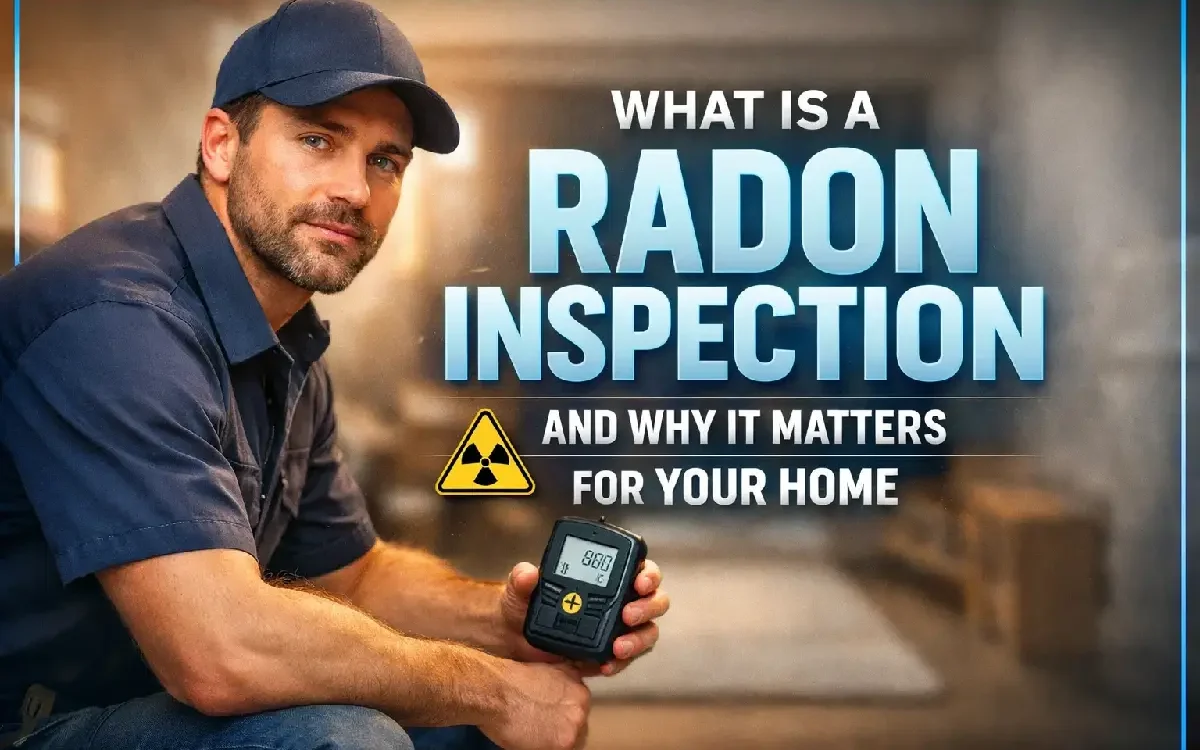
What Is a Radon Inspection and Why It Matters for Your Home
As far as purchasing a house is concerned, there are numerous things to be considered, starting with the ground to the top. Nevertheless, there is one important component that is not easily noticed, and it is radon. A radon inspection may spell out the difference between a healthy and unhealthy living experience for you and your family. Then,what is a radon inspection, and why are you supposed to be concerned about it?
In this guide, we will explain the necessity of radon home inspections, the mechanics, and the rationale for why you should consider them when purchasing and/or owning a house. Let’s dive in.
What Is Radon Gas?
Radon is a tasteless, odorless, and colorless radioactive gas that is naturally found in the environment. It is formed as a result of the breakup of uranium, thorium, and radium in the soil, rock, and water. Although radon occurs everywhere in low concentrations, it may accumulate to be hazardous in the homes, particularly in places where there is a high concentration of uranium in the earth.
What Is The Penetration Of Radon Into Your House?
The radon gas may come into your house via fissures in the foundation, the well water supply, or even through the pipes. The gas is then trapped in the enclosed areas, like basements, where there is no good ventilation. With time, the radon level exposes you to the risk of contracting lung cancer, and therefore, radon testing for home inspection is very important to every property owner.
The U.S. Environmental Protection Agency (EPA) claims that radon exposure is the second major cause of lung cancer in the United States, and it is the leading cause of thousands of deaths annually. The long-term effects of radon are high chances of respiratory complications and lung cancer, especially in smokers.
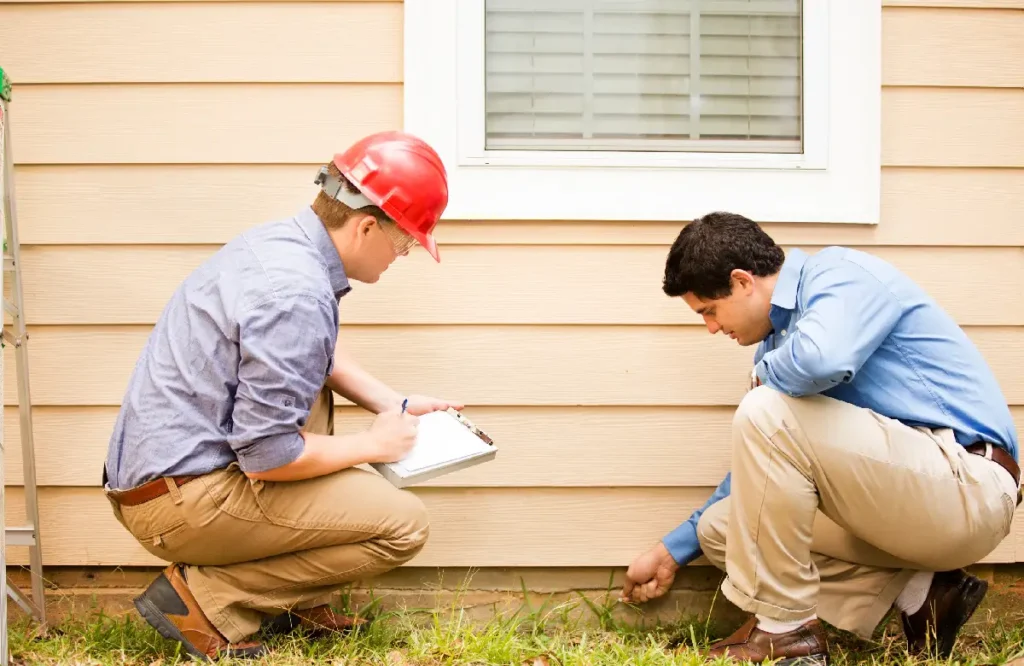
Radon Home Inspection: Why You Need It!
The only way to know whether you live in a home with unhealthy radon levels or not is by a radon test house inspection. Radon gas is only present in nature, but it has hazardous consequences, which are only realized when one carries out a radon test. A lot of houses in Chicago, IL, and the rest of the country are struggling, and you would be unaware of that without a professional inspection.
The Advantages of Radon Test House Inspection
The benefit of a radon home inspection is peace of mind. It does make sure that the quality of air in your home is safe for you and those you love. In case the radon gas is detected at harmful levels, the problem can be reduced using appropriate solutions like the installation of a radon mitigation system.
The Radon Gas Inspection Process
In a radon gas test, a licensed inspector will install radon testing devices in key areas of the house, commonly the basement or the lowest floor of the house. These are devices that are used in monitoring the amount of radon at a particular time, usually between 48 hours and a few days. The inspector then gathers the results, which may assist in deciding whether an action has to be taken.
When to Take Radon Inspection into Consideration?
Radon inspection is actually necessary in case you are either living in a place where radon is a problem or purchasing or selling a house. Although you may have been living in your house for many years, it is good to check every now and then for radon gas. A single checkup will protect your family and yourself against the possibility of a long-term decrease in health.
When your house passes the first radon test, it is advisable that you do the second test after every two years or when significant alterations are made in the structure or ventilation of the home. Testing should be more regular in the case of properties located in high-risk areas.
Time of Home Inspection
An average test house inspection for radon is a 2-7 day activity. The period of testing is determined by the procedure and the equipment. The results are then discussed and given to you so that you know whether or not your home contains high amounts of radon that should be mitigated.
Radon Test Results
After the work of your radon gas inspection, you would get the report of the radon levels in your home. In case the concentration of radon is more than 4.0 pCi/L (picocuries per liter), the EPA advises that you take some steps to lower the amount of radon in your building.
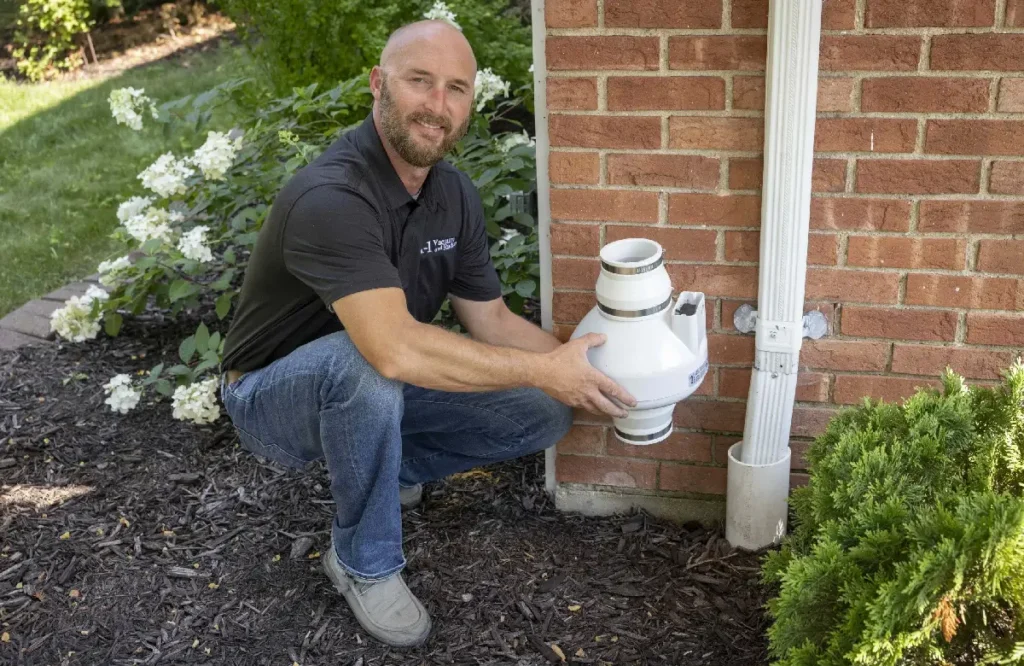
If your radon test shows that the levels of the gas are dangerous, there is no need to panic. Radon mitigation systems are systems that can be installed to lower the radon levels. These systems will usually entail the removal of the gas under the house and channeling it to a safe place outside the house.
Conclusion:
Radon inspection is a vital measure towards making sure that your home is safe. Whether you are a house owner or a would-be purchaser, it is important to measure the amount of radon gas that exists in your home. By simply looking over, you can be able to identify the possible danger and take the required measures to take care of your health and well-being.
Call Sabreezz Home Inspection now to have your radon home inspection. Our team of certified professionals is willing to assist you in making sure that your home is safe and has no exposure to harmful radon.
FAQs
Q1. So why is radon inspection necessary?
Radon inspection assists in identifying the existence of radon gas in your house. It guarantees the safety of your home against the dangerous consequences of radon exposure that causes lung cancer.
Q2. How do I know when I require a radon inspection?
When you are purchasing a home, live in a region with high exposure to risks, or worry about the quality of air inside your home, you should consider a radon test and a house inspection. It is also advisable to do so every two years or after the time you have made substantial changes to your home.
Q3. How long does it take to conduct a radon test?
With the help of radon, it usually requires 2 to 7 days of testing, depending on the type of testing. The devices check the levels of radon after some time, and the results are normally available soon after the end of the testing period.
4. Does every home require a radon inspection?
Yes, it is very much suggested in every household. Even houses that show a passing test should take into account the follow-up test to maintain safety.
Q5. What can I do with high levels of radon test results?
Once the radon levels are found to be high, you should install a radon mitigation system, which will help in controlling the level of radon gas in the house. This will assist in reducing the health risks involved in long-term exposure.