Common Roof Issues Home Inspectors Find Every Time
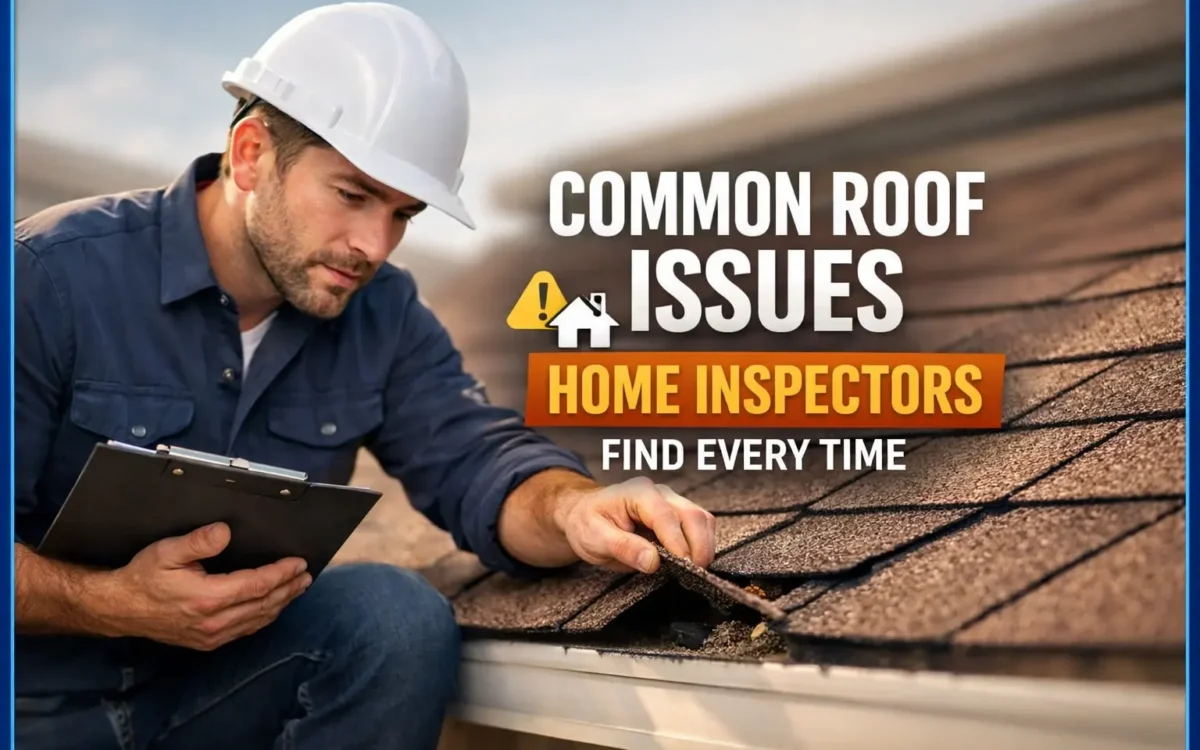
The roof is one of the most important parts of the home that the inspectors consider when conducting home inspections. Knowing what concerns them would assist homeowners in keeping their roofs in good shape and prevent the need to incur expensive maintenance. This blog post will discuss the most common roof problems that home inspectors reveal during house inspections.
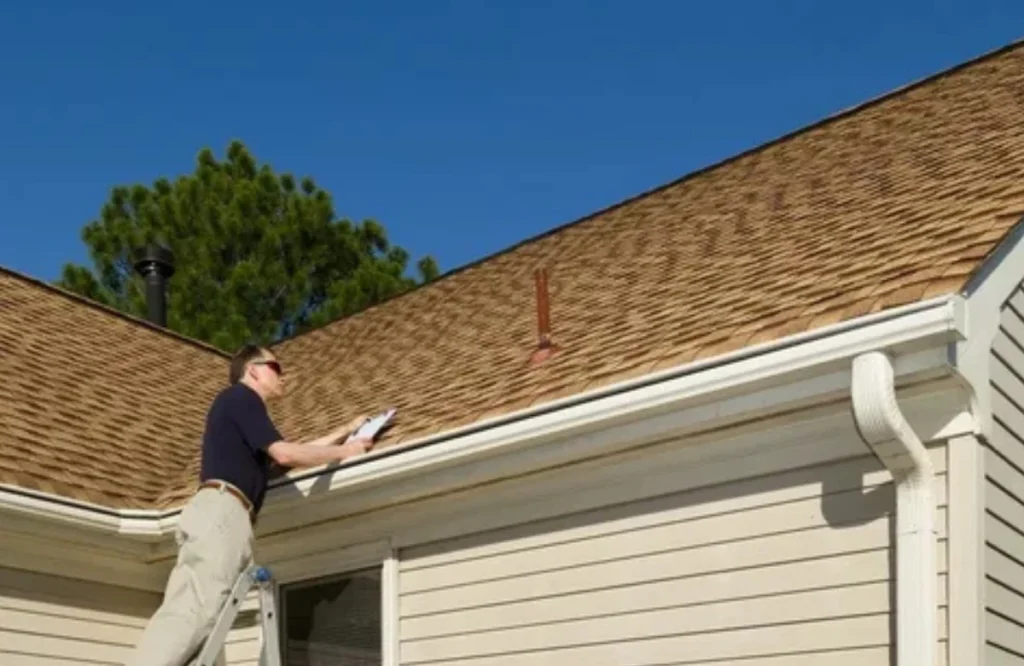
The roof is one of the most important parts of a home. Inspectors focus on it during home inspections. Knowing their concerns helps homeowners avoid costly repairs. Common issues include damaged shingles, leaks, poor flashing, and drainage problems. Roof inspection is a major part of Professional home inspection, so addressing these issues is crucial. Roofs are thoroughly covered as part of Home Inspections.
Frequent Roof Problems That Home Inspectors Reveal
Missing or Damaged Shingles
Missing or damaged shingles are some of the most evident indicators of roof damage. Inspectors often come across shingles that are broken, curled, or even missing, which might cause leaks and cause further damage.
Drainage or Ponding Water
Standing water at times gathers on flat or low-sloping surfaces, and it is one of the common roof leak causes. Gradually, this may trickle down to the building and cause significant harm. Ensure gutters and downspouts are clear to ensure that water is directed away.
Leaks and Water Damage
Any homeowner is worried about water damage at one point or another. The inspectors examine water stain clues on walls, attic, and ceilings. Leaks may result in the development of molds and structural damage unless they are corrected in time.
Poor Roof Ventilation
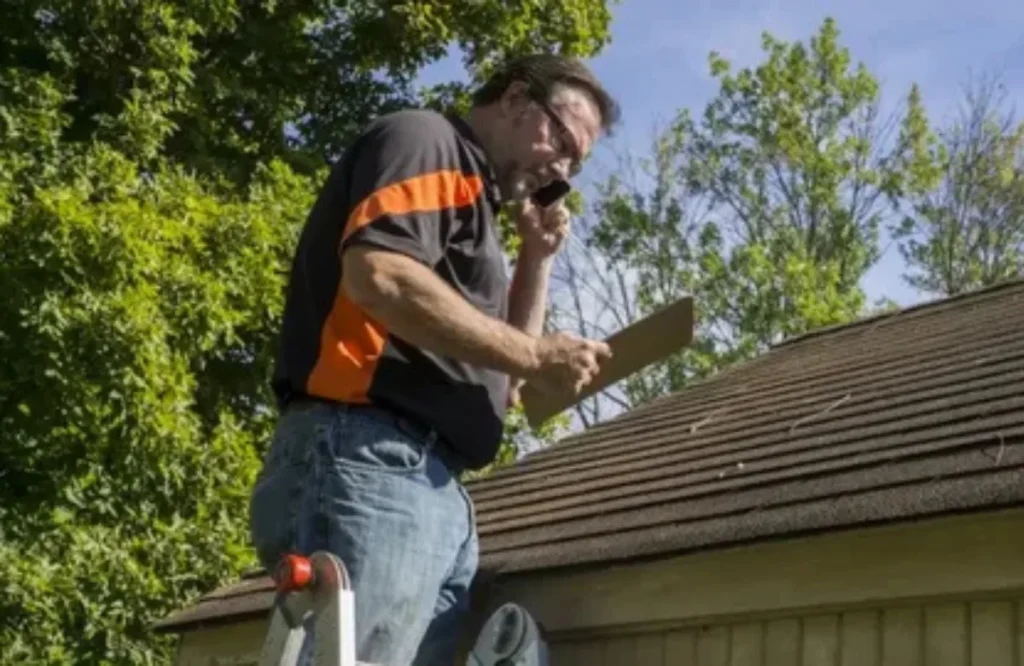
Good ventilation is essential in the life span of a roof. Attic ventilation is inspected by the inspectors to make sure that there is proper air movement. Lack of proper ventilation may lead to the accumulation of heat and moisture, affecting shingles and raising the cost of energy.
Flashing Issues
Proper flashing closes joints and prevents water from seeping into the roof. Inspectors test the flashing of chimneys, vents, and skylights to ensure it is intact and working properly. Damaged or missing flashing can lead to leaks and water damage, which is why a Detailed home inspection is essential.
Gutter Problems
The condition of gutters and downspouts is also checked by inspectors. Obstructed or broken gutters may result in standing water and drip under the roof, resulting in leakage and damage. Well-operating gutters are necessary for the diversion of water at the base of the home.
Moss and Algae Growth
Moss and algae may not appear to pose any harm, but they could do a lot of damage to a roof in the long term. Inspectors check whether there is any growth of mosses and algae that may trap moisture and lead to the wearing out of shingles.
Sagging Roof
A drooping roof is a severe problem that points to structural complications. Home inspectors find roof problems by looking at any sections of the roof that seem to be sagging or uneven. They may be an indicator of some latent damage or substandard building.
Roof Age
The age of the roof is another consideration for the inspectors. An average roof’s life is 20-30 years, depending on the materials used. The roof, which is old, is more prone to problems and it may need to be replaced earlier.
Chimney Damage
Roof problems may arise as a result of chimneys when they are not well taken care of. To make sure that chimneys are structurally safe and do not cause leaks, the cracks, loose bricks, and broken mortar are checked by the inspectors.
Conclusion
It is important to keep your roof in good shape so as to ensure the safety and durability of your house. When you have relocated, it is a good idea to arrange roof inspections frequently in order to identify any possible issues. The home inspectors are properly trained to identify common roof problems that could otherwise go unnoticed, helping you take proactive steps to safeguard your investment and increase the life of the roof.
Get in touch with Sabreez Home Inspection today for any queries you might have or to schedule your expert roof and home inspection.
FAQs
What are the signs of broken shingles?
Inspectors examine broken, curled, missing, or damaged shingles that allow leakage and further degradation. Immediately change them to avoid the intrusion of water and increase the life of the roof.
Why is it important to flash roofs?
Flashing at chimneys, vents, and skylights closes joints to prevent water intrusion. Inspectors mark the gaps, rust, or inconsistencies in sealants as high-risk areas that require professional repair.
How does moss affect roofs?
Moss and algae hold on to moisture, which makes the shingles wear out, and this results in possible leakages. Wipe down immediately and provide adequate ventilation to avoid growth and latent damage.